
- NatWest boss pictured in deeply fake photo shared widely online
- The image was “designed to deceive people”, according to Natwest
- Deepfake photos and videos of bank figures are becoming more and more common
NatWest boss Paul Thwaite is the latest in a string of top banking figures to fall victim to an artificial intelligence social media scam.
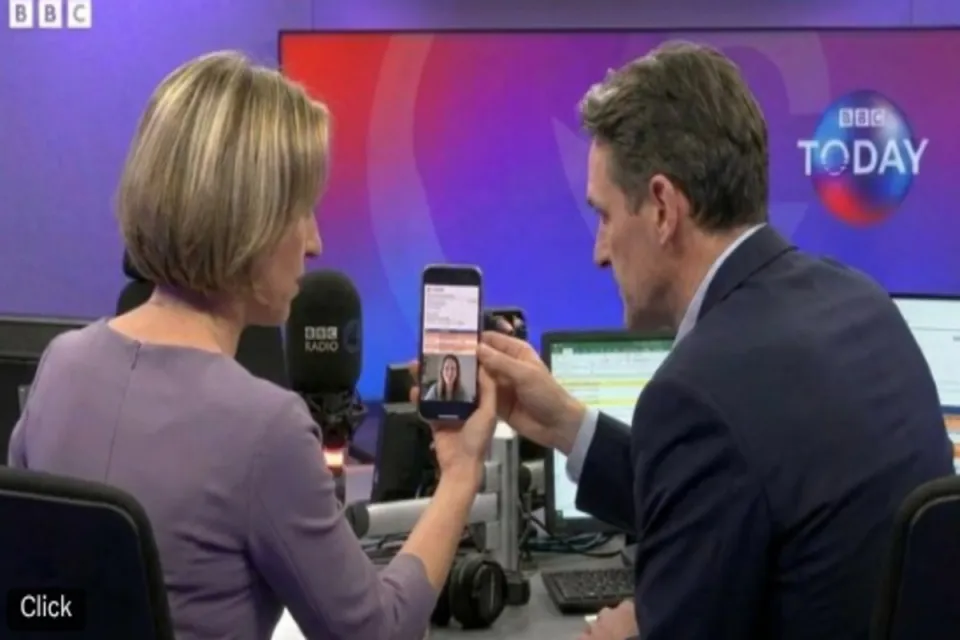
Thwaite, chief executive of NatWest, was featured in a deeply fake image with journalist Emily Maitlis in an image designed to mimic a BBC radio interview.
The deepfake was shared widely on X, with a caption attempting to legitimize the image with the caption, “On air, Emily Maitlis raises NatWest CEO’s pay, causing strong reaction.”

Natwest boss among other bank figures targeted
Deepfake refers to Thwaite’s 33% rise in pay since 2024, with the NatWest boss securing a £6.6m pay packet. in the last year. A spokesperson for NatWest said CityAM“We are working closely with social media platforms to remove these fake images.”
“They are yet another reminder of criminal activity designed to defraud people – particularly the vulnerable – and we urge members of the public to be vigilant and report any suspicious activity.”
Deepfakes are fast becoming a serious problem in the financial sector, with fake videos, images and voice attributes being used to trick employees into handing over funds and scam vulnerable people online with bogus investment scams.
Vyntra’s 2026 report found that the deepfake industry has exploded into a $400 billion a year industry, with increases in AI capabilities and computing power enabling fraudsters to generate highly convincing deepfakes at scale.
Bank of England Governor Andrew Bailey recently featured in a deepfake video alongside Reform UK leader Nigel Farage, in which the pair are depicted engaging in a brawl before police separate them.
Commenting on the video, Bailey stated: “These scams are designed to criminally exploit the public, especially the vulnerable when online. I would encourage everyone to be vigilant and report these scams. That way the authorities can better stamp out digital fraud like this and permanently remove the scammers responsible for what is a real online scourge.”
How to stay safe
Fraudsters don’t just target bank managers. They also use the voice of victims’ friends and family to get financial information and funds from unsuspecting people.
How to protect yourself from deepfakes on social media, phone calls and photos:
- Always be wary of emergency calls from friends and family, and consider establishing a safe word to use in an emergency to verify the authenticity of a phone call
- When you receive calls from people claiming to be your bank or any other service you use, look up the organization’s official number and ask to be transferred to the representative who contacted you. Usually, banks or other services will never ask you to provide payment information, your passwords or other sensitive information over the phone
- If you see an investment opportunity online, especially those that are too good to be true or offer a ‘get rich quick’ pitch, check the authenticity of the company using the FCA register and check the details and directors of the organization at Companies House

Follow TechRadar on Google News and add us as a preferred source to get our expert news, reviews and opinions in your feeds.


