
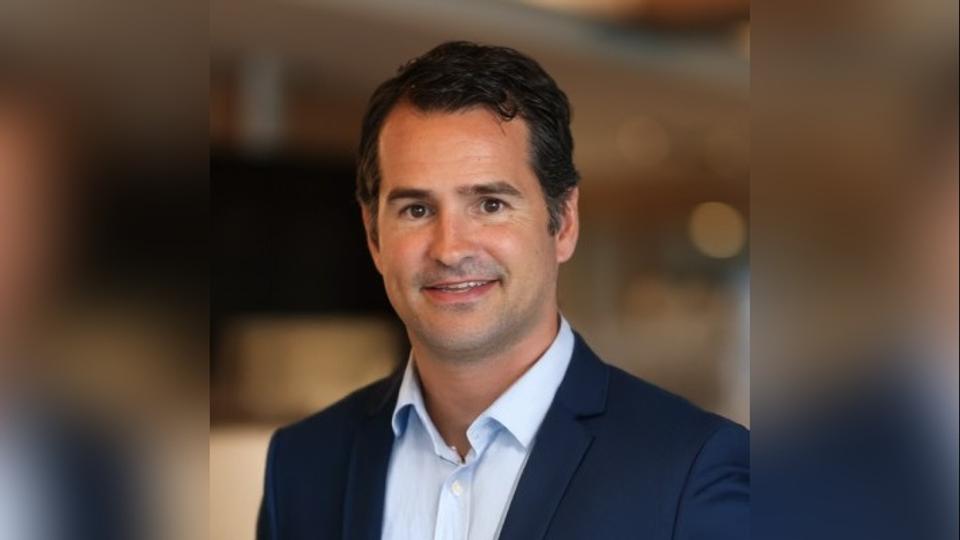
“ETFs were referred to as weapons of mass destruction,” Hoffman said, recalling the skepticism that surrounded the structure before it became one of the dominant ways investors access markets.
When he joined the ETF industry in the early 2000s, the market had about $200 billion in assets, he said. Today, it is nearly a $20 trillion global asset class, according to a PwC report.
He said tokenization is following a similar path, but much faster than ETFs.
“Every market that digitizes gets bigger,” he said. “And tokenization is really the digitization of the capital markets.”
Build for an agent-driven future
For Hoffman, tokenization will be the foundation for what’s next: AI-powered financial services.
He said he envisions a future where autonomous agents continuously monitor markets and allocate capital through professionally managed portfolios that are updated in real time as conditions change.
“Our end state will be portfolios that are professionally managed, real-time and responsive to market conditions and data changes,” he said.
To get there, the industry first needs tokenized assets, onchain prime-brokerage infrastructure, and asset-management strategies that can be executed natively on blockchain networks.
Ondo is building towards that vision, he said. The firm already offers tokenized US Treasury products and plans to expand into stocks, ETFs and perpetual futures through its tokenized marketplace.


