
LAHORE:
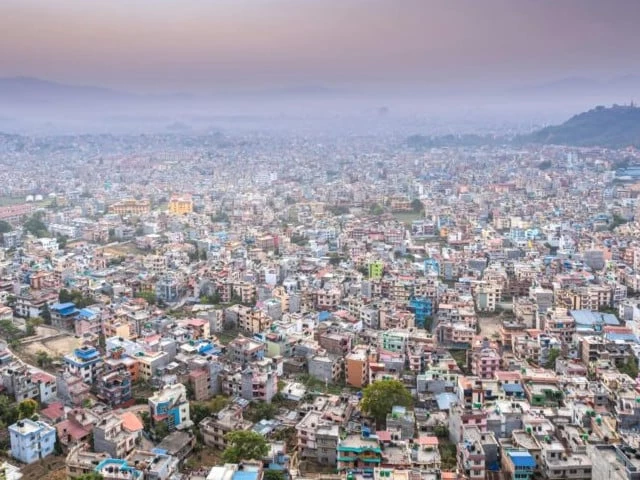
Rapid urbanization, shrinking green spaces and expanding concrete infrastructure have increased temperatures in Lahore over the past 25 years, according to a WWF-Pakistan analysis based on satellite data, raising concerns about public health, energy demand and climate resilience.
The study, which examined nightly land surface temperature data from a NASA satellite between 2001 and 2025, found that built-up areas of the city have warmed significantly faster than vegetated zones.
According to the findings, vegetated areas, including parks, farmland and green corridors, recorded a temperature increase of 2.16 degrees Celsius during the study period. In contrast, non-vegetated and built-up areas experienced an increase of 3.07 degrees, almost 42 percent faster than green areas during the period.
The report noted that the temperature gap between green and built-up surfaces widened from 0.25°C in 2001 to 1.16°C last year, highlighting the growing impact of the urban heat island effect across the city.
WWF-Pakistan said the phenomenon is particularly evident at night, when concrete and asphalt surfaces continue to release heat accumulated during the day, preventing temperatures from falling and reducing relief for residents.
The analysis identified May as Lahore’s most dangerous month due to extreme pre-monsoon heat. In the city’s most urbanized areas, temperatures have risen by approximately 0.2°C annually during May, which corresponds to almost 5°C extra nighttime heat over 25 years.
The study revealed that Lahore’s climate has undergone a significant shift since the early 2000s. While summer temperatures used to peak around 42-43°C, recent years have seen more frequent and intense heat waves. The warming trend accelerated from an average increase of about 0.2°C per year during the first 15 years of the study period to nearly 0.3°C annually during the last decade.
The urban heat island effect has also intensified, with densely built-up parts of Lahore now recording temperatures eight to 10 degrees Celsius higher than surrounding rural areas on summer afternoons.
June has become a particularly critical month. According to the report, maximum temperatures that were generally between 44°C and 45°C in the early 2000s have consistently exceeded 48°C in recent years. The city recorded an unprecedented temperature of 50.1°C in June 2022.
Night temperatures have also risen sharply, with minimum temperatures rising from 28-29°C to 34-35°C during the period. The number of days each June with temperatures at or above 45°C has increased from three to four annually in the early 2000s to more than 12 in recent years.
The report warned that prolonged periods of extreme heat, combined with warmer nights, pose serious health risks, particularly to outdoor workers, older people, children and low-income households without access to cooling systems.
It added that rising temperatures increase demand for electricity for cooling, putting further pressure on electricity infrastructure, while contributing to heat generation in urban areas.
WWF-Pakistan emphasized that urban green measures, including tree plantations, green roofs, public parks, roadside vegetation and protection of peri-urban agricultural land, remain among the most cost-effective climate adaptation strategies available.


