
- The Connected Car judgment comes into force in 2027
- Anything with a link to China or Russia is in the spotlight
- Volvo has managed to avoid the same fate
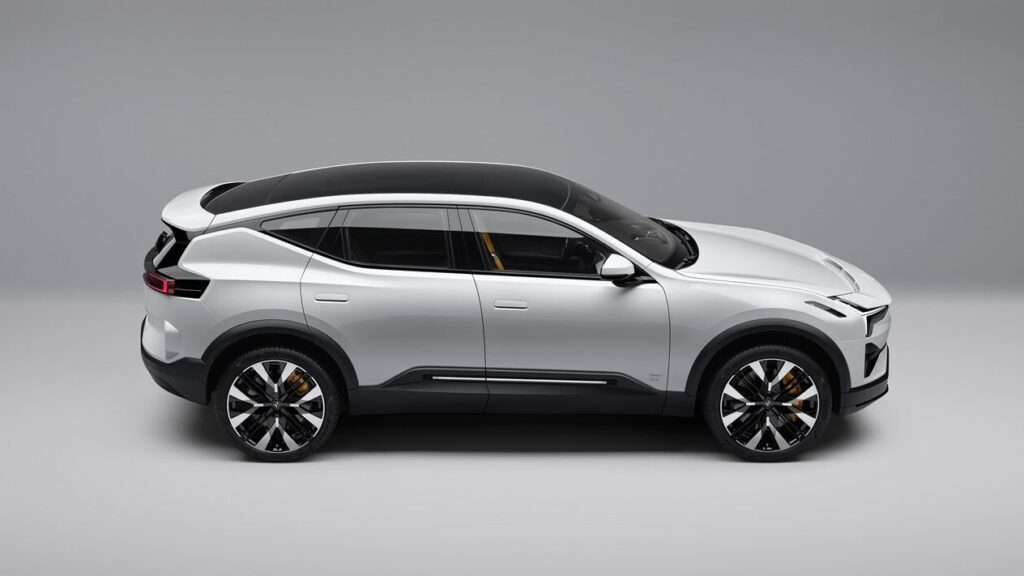
North American fans of beautifully minimal Scandinavian design will no longer be able to buy one of Polestar’s innovative and stylish electric cars starting next year, as a new Connected Vehicle Rule may prohibit the sale of goods with a “sufficient nexus” to China or Russia in the United States.
The final decision falls to the Bureau of Industry and Security, part of the U.S. Department of Commerce, which declined to give Polestar permission to sell vehicles in the U.S. beginning in the 2027 model year, according to Electrek.
The rule, which was put in place during the final days of the Biden administration but kept under the Trump administration, centers on national security concerns, particularly with those brands controlled by or subject to the jurisdiction or direction of China or Russia.

Polestar, which is headquartered in Gothenburg, Sweden, is majority-owned by one of the largest automakers in China, Geely Auto, which also happens to own Volvo.
However, its Swedish sibling was granted a waiver in May to continue its sales in the US.
“Companies from these countries may be forced to share data or allow remote access to connected vehicles in the United States,” the notice of the rule said, according to CNN.
But to add insult to injury, none of the Polestar models on sale in North America are assembled in China, with the Polestar 3 built in a Volvo factory in Charleston, South Carolina, and the Polestar 4 built in South Korea.
The company has said it will keep its 32 U.S.-based dealers open to continue to offer refurbishing and support to existing customers, as well as clear any remaining inventory.
A statement released by the brand said existing Polestar owners and lease customers will “continue to receive the same level of support and access to service as they do today”.
Analysis: Creates more confusion for the electricity market
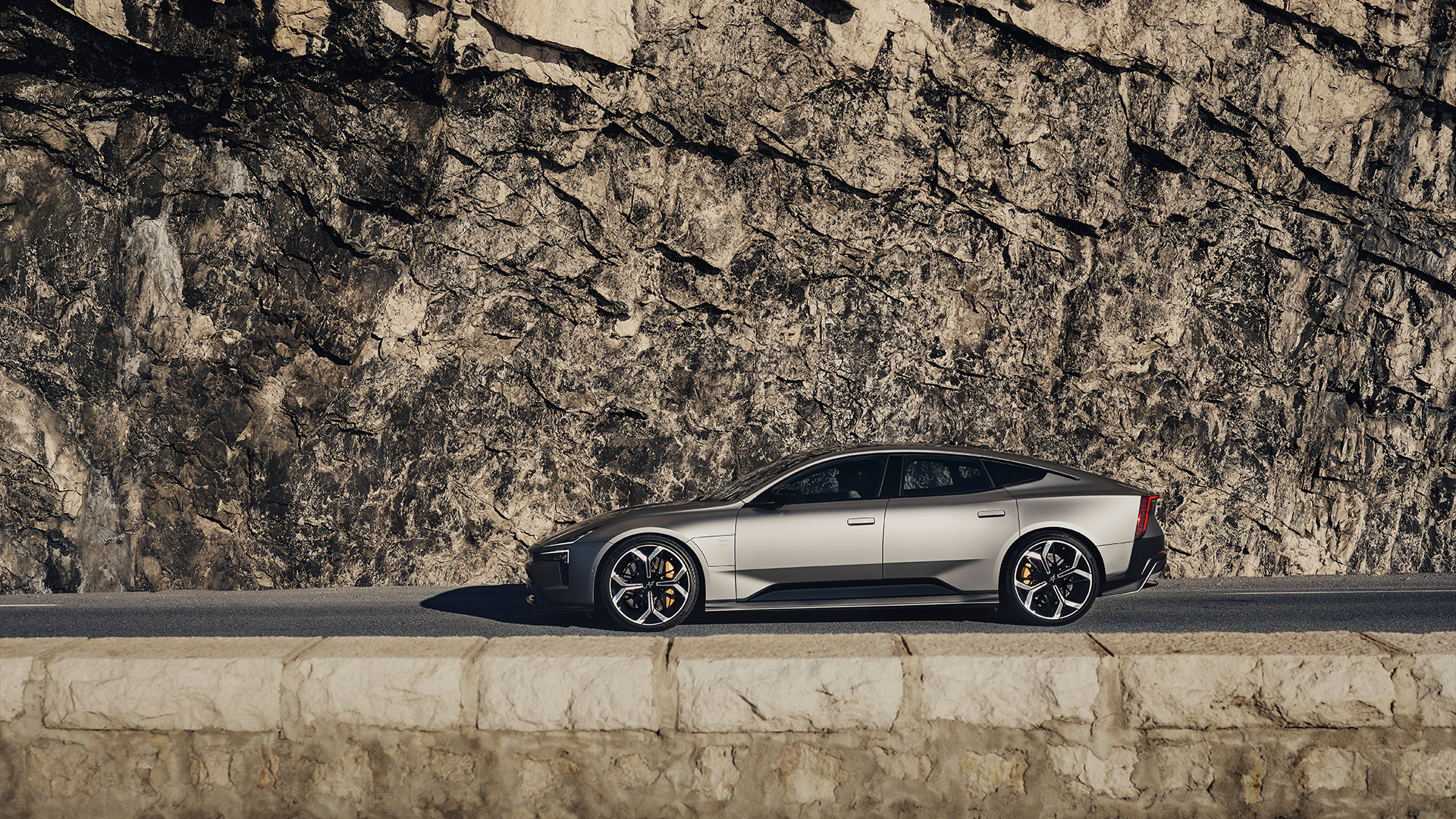
Polestar probably won’t take the ruling to heart, since the majority of their sales come outside the US anyway, but the Commerce Department’s decision to ban Polestar and not Volvo is still puzzling.
Both brands share much of their basic platform and electrical architecture, while Polestar and Volvo’s infotainment systems can only really be distinguished by the fonts and graphics they use on screen.
Additionally, both of these brands run Android Automotive Operating Systems and have Google Maps installed natively for navigation, both of which were originally developed by American tech giants.
While the rule appears to have national security at heart, it also adds further confusion to a global auto market struggling to keep up with the ever-moving targets of both changing emissions regulations and global trade laws.

Follow TechRadar on Google News and add us as a preferred source to get our expert news, reviews and opinions in your feeds.


