
- Monterey Park becomes first city to ban data center construction
- Elsewhere, public opinion is turning against data center construction
- There are concerns about costs, pollution and electricity consumption
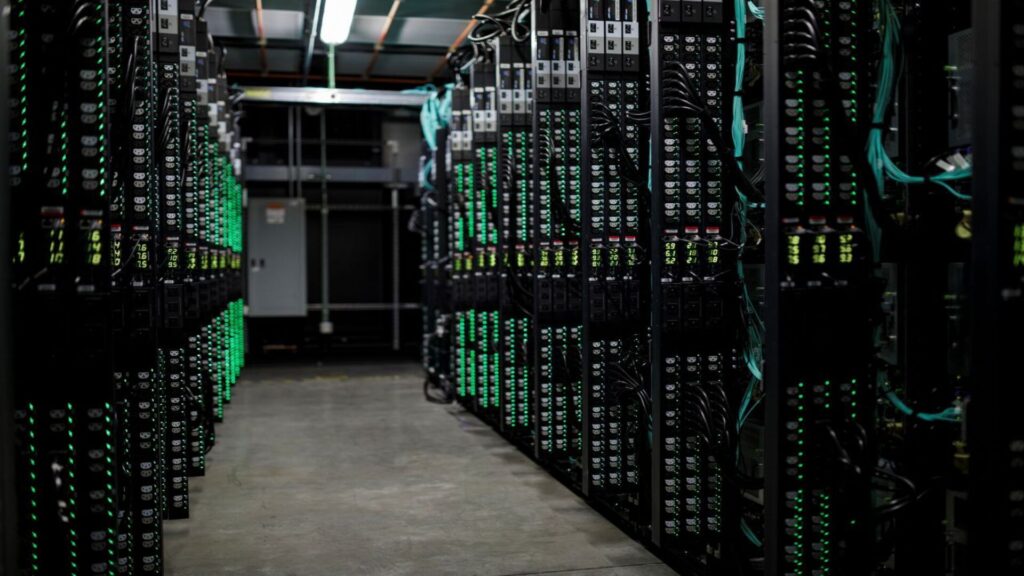
In addition to developing new models and pushing subscriptions, AI companies have something else to worry about: getting enough data centers built. The Californian city of Monterey Park has just become the first to ban the building of these processing hubs, amid growing concerns over costs, energy use and pollution.
The vote from the citizens of Monterey Park was also quite emphatic, with The Guardian reporting that 86.3% of the community wanted nothing to do with data centers. The issues listed on the ballot included the protection of air quality, drinking water, public health, and electricity and water rates.
There is growing evidence of the damage that data centers can do to the environment, creating local ‘heat islands’ in cities, producing noise pollution from diesel generators and air conditioning systems and using large amounts of water to keep everything cool.

At the same time, as the demands for cloud computing and artificial intelligence grow, these data centers are increasingly necessary. Researchers are calling for more to be done to improve the environmental friendliness of data centers, particularly in terms of reducing water use and recycling waste heat, as well as locating them further from built-up areas.
This is something the tech giants are trying to work on, but the extent of progress they’re making isn’t clear: While Microsoft is promising big efficiency gains in data centers, it’s also running into trouble for needing too much electricity for its operations. At the moment, the promises and reality do not quite match.
‘The biggest problem’
First, California city votes overwhelmingly to permanently ban data centers from r/tech
While Monterey Park has become the first city to impose an outright ban, many other areas have moratoriums in place, essentially putting a pause on data center development. It appears that public opinion is turning against these constructions in general, with 71% percent of Americans now opposing a data center in their neighborhood.
In recent weeks, we have seen the famous activist Erin Brockovich begin to track the proliferation of data centers across the United States. According to Brockovich’s numbers, there are now more than 4,200 data centers in the country dedicated to serving AI demand—and while AI isn’t the only use for data centers, it’s currently the primary reason they’re being built.
“Who doesn’t want a large-scale industrial polluter sitting in their backyard?” is a Reddit post that sums up the general sentiment online, with other commenters calling for “aggressive regulation,” describing it as “the biggest problem in the US right now.” There are also concerns about AI more generally, including its potential impact on the labor market.
A separate report from MarketWatch says that more money is now being spent in the US on data centers than the government is spending on transportation infrastructure (excluding highways and streets)—another eye-opening stat that shows we’re in a real crisis for AI technology and the economy it’s based on.
“All we want is healthcare and high-speed rail, and all we get is a chatbot telling us there are no r’s in ‘strawberry,'” suggests one Redditor, reflecting the overriding sentiment right now (at least outside the AI bubble). It’s not just the expenses that are the problem, it’s that they could be used elsewhere.

Follow TechRadar on Google News and add us as a preferred source to get our expert news, reviews and opinions in your feeds.

The best laptops for all budgets


