
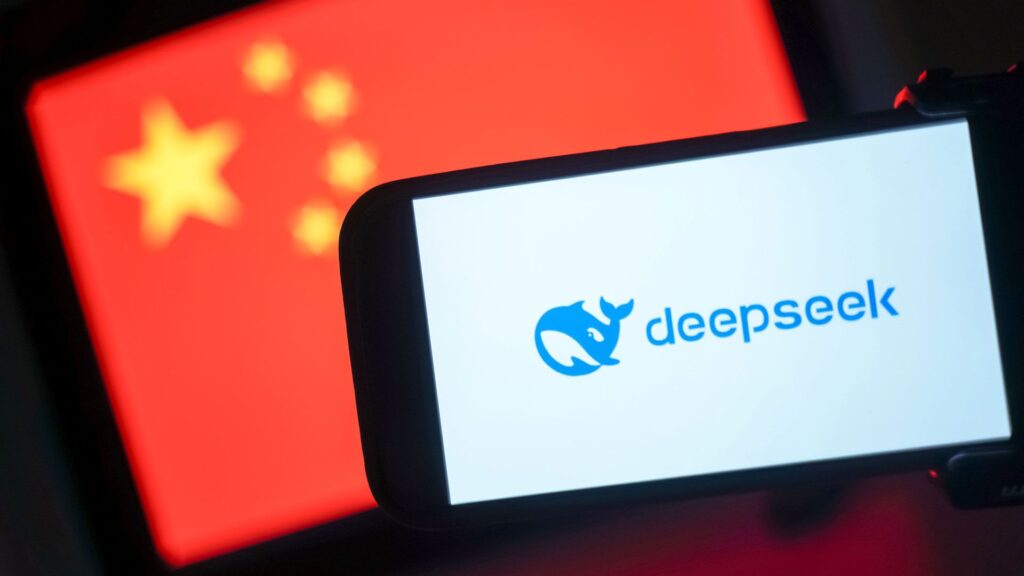
- The US State Department says China is stealing US intellectual property
- American AI models are being ‘distilled’ to produce cheaper models for China
- Deepseek, Moonshot AI and MiniMax accused of alleged theft
The US State Department has accused Chinese artificial intelligence companies of stealing the intellectual property rights to US models of artificial intelligence.
The White House recently accused China of ‘systematically’ distilling and mining US AI models, but is now accusing Chinese companies directly.
A new cable issued a global warning, directly accusing Chinese AI companies such as Deepseek, Moonshot AI and MiniMax of distilling American AI models to produce their own models.
The article continues below
Stealing intellectual property
The State Department says the cable was issued to “warn about the risks of using AI models distilled from U.S. proprietary AI models, and lay the groundwork for potential follow-up and dissemination by the U.S. government.”
AI models require large amounts of high-quality data to train, but it is possible to ‘distill’ a smaller model from a large one. The smaller model is trained using the output of the larger model, which significantly reduces production costs.
The Chinese Embassy in Washington previously denied the accusations, stating that Beijing “attaches great importance to the protection of intellectual property rights.”
Chinese companies have released a number of powerful, low-cost AI models that have disrupted the AI market – notably the release of Deepseek’s DeepSeek-V3 and DeepSeek-R1 models, which rivaled their ChatGPT counterparts, but with a significant reduction in cost and computing power.
Chinese AI companies Moonshot AI and MiniMax were also mentioned in the cable, which asks diplomatic staff around the world to raise “concerns about adversary extraction and distillation of USAI models” with their foreign counterparts.
US President Donald Trump is due to meet Chinese President Xi Jinping in May 2026, and the latest accusations are likely to heighten tensions between the two leaders.
Follow TechRadar on Google News and add us as a preferred source to get our expert news, reviews and opinions in your feeds.


