
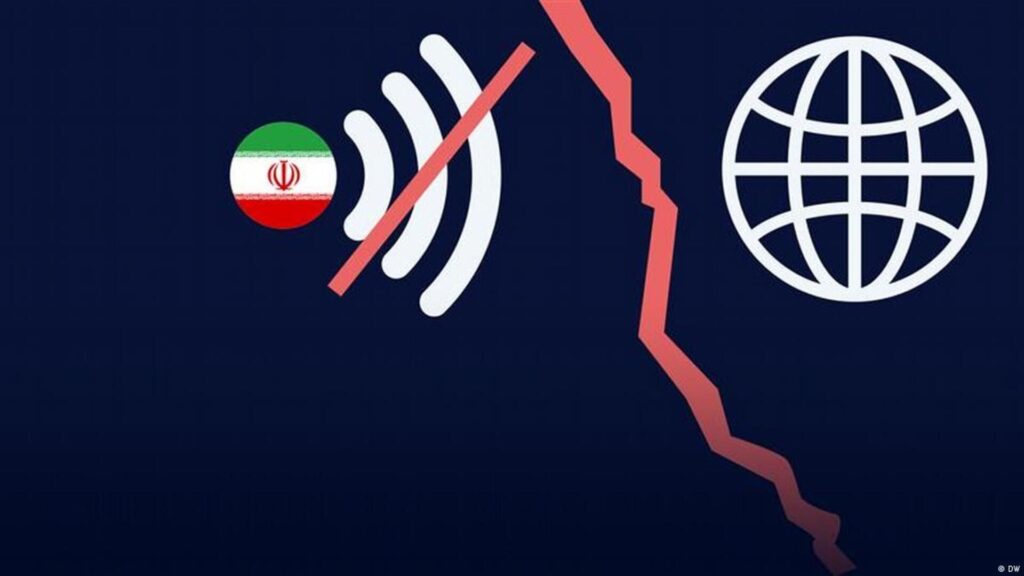
- Satellite TV signals became a hidden pipeline to circumvent Iran’s government-imposed internet shutdown
- Toosheh delivers gigabytes of data with no user interaction or trace
- The jamming effort does not completely block satellite-based data delivery
In January 2026, the Iranian government shut down internet services across all provinces for weeks and also throttled VPNs, messaging and phone services.
To regain connectivity, a nonprofit organization called NetFreedom Pioneers turned to an unlikely solution: regular satellite TV signals.
The technology, called Toosheh, delivers curated data through free TV satellite broadcasts that the government cannot easily block.
The article continues below
How satellite TV signals became a data delivery system
Free-to-air satellite broadcasts are unencrypted and can be received by anyone with a dish and receiver, with no subscription required – tech enthusiasts found they could use a DVB card to turn a personal computer into a satellite receiver.
With this, the device will do more than just watch live TV; it will also capture and store data.
Toosheh works by using the MPEG transport stream that satellite TV uses, but slips in documents, videos and software in such a way that a receiver treats them as regular audio or video.
Users receive 1 to 5 gigabytes of prepackaged content in a magazine-like format without ever sending requests or revealing their activity, as the system leaves no traceable logs, making it completely private and undetectable.
Why traditional jamming is not so effective
Terrestrial jamming has been used to jam the network by using antennas installed at higher altitudes to broadcast strong noise over specific areas.
But this method is short-range and requires significant power, making it impossible to implement nationwide.
NetFreedom Pioneers added redundancy to its transmissions, similar to a data storage technique called RAID.
Under normal conditions, it uses about 5% of its bandwidth for redundancy. During active jamming, it increases to as much as 30%.
This allows users to reconstruct complete files even when some packages are damaged.
During the internet shutdown, Toosheh distributed official statements from Iranian opposition leaders and the US government.
The system provided first-aid guides to doctors and injured protesters, along with uncensored news reports from BBC Persian, Iran International and VOA Farsi.
It also provided critical software packages, including anti-censorship tools and guides for securely connecting to Starlink satellite terminals.
However, the system is not without challenges. Serving Toosheh costs tens of thousands of dollars a month for satellite bandwidth.
With the US State Department ending its funding in August 2025, the cost burden falls solely on the nonprofits, which can only keep it running temporarily with private donations.
Also, unlike two-way systems like Starlink, Toosheh only offers downloads, not uploads, meaning users can’t send messages or communicate back.
Still, Toosheh offers a lifeline that delivers data through the sky in a way that censors can’t easily block.
Via IEEE spectrum
Follow TechRadar on Google News and add us as a preferred source to get our expert news, reviews and opinions in your feeds.


