
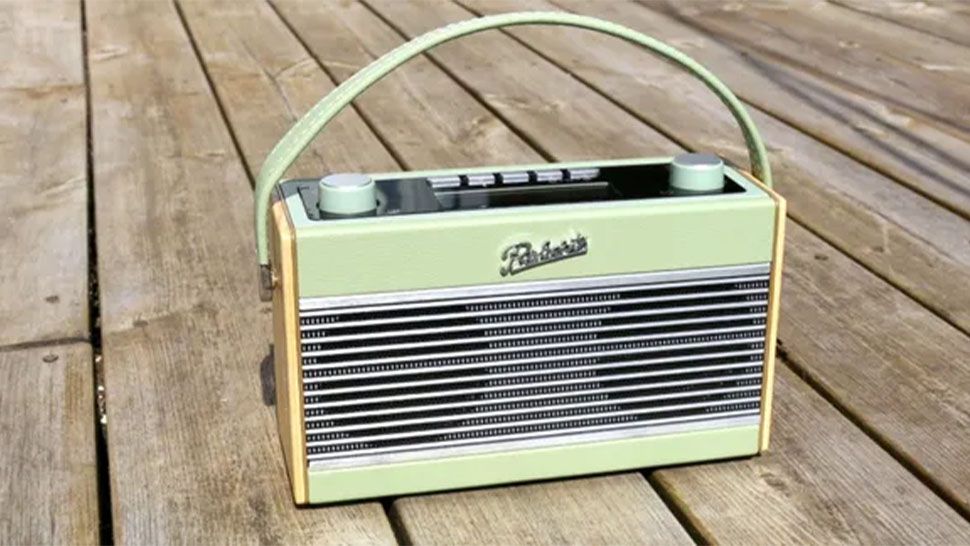
- The BBC has switched off its Long Wave (LW) service
- BBC 4 joins the digital party
- Radios will likely need to support digital soon to be viable
If you’re still rocking a retro, decades-old radio (and live in the UK), you’ll probably need to head down to your local electronics store because it’s well on its way to being discontinued.
BBC 4, the last radio station in the UK to use Long Wave (LW) radio, has now been taken off air. And by that I mean it’s still going digital and on FM analogue radio, but it’s the last station to be removed from the BBC’s Long Wave service – and thus the power there has been switched off.
This follows a decades-long trend which started in 1995 when the Beeb launched its first ever DAB broadcast. Over time, digital-only stations and the slow shutdown of aging longwave technology have made digital one of the preferred ways to listen.

Although several medium wave and FM radio broadcasts continue, most people listen to their stations via digital audio in 2026, with spoken words and songs converted to binary rather than the warmer, imperfect oscillations of wave-based radio. And I have to tell you: this is how it will continue.
Digital is the future
This shutdown of the format will reduce the complexity of the BBC’s stretched multi-signal operation. In theory, this will increase accessibility – you can listen to digital signals wherever you are in the world without having to be within signal range – but some listeners with limited internet access or technological ability may be cut off.
For better or for worse, that’s how it goes. The UK government is consulting on plans for television to follow suit, with terrestrial television proposed to be phased out by 2034 or possibly 2044.
The proposals face the same criticism of reducing access to programming, although an eight-year lead-in gives people plenty of time to upgrade. That’s especially true considering that all the best TVs these days are, let’s face it, smart.
According to the BBC, around a third of a million viewers currently only have access to Freeview, and the company threatened that channels could be shut down if it is forced to support terrestrial for much longer. It depends on the consultation process.
However, it is too late for longwave radio, which in the UK now joins the dinosaurs and the passenger pigeon in the ‘things that are extinct’ category.
At least we know its death wasn’t for nothing: it’ll keep the BBC ticking over a little longer.
The best turntables for all budgets

Follow TechRadar on Google News and add us as a preferred source to get our expert news, reviews and opinions in your feeds.


