
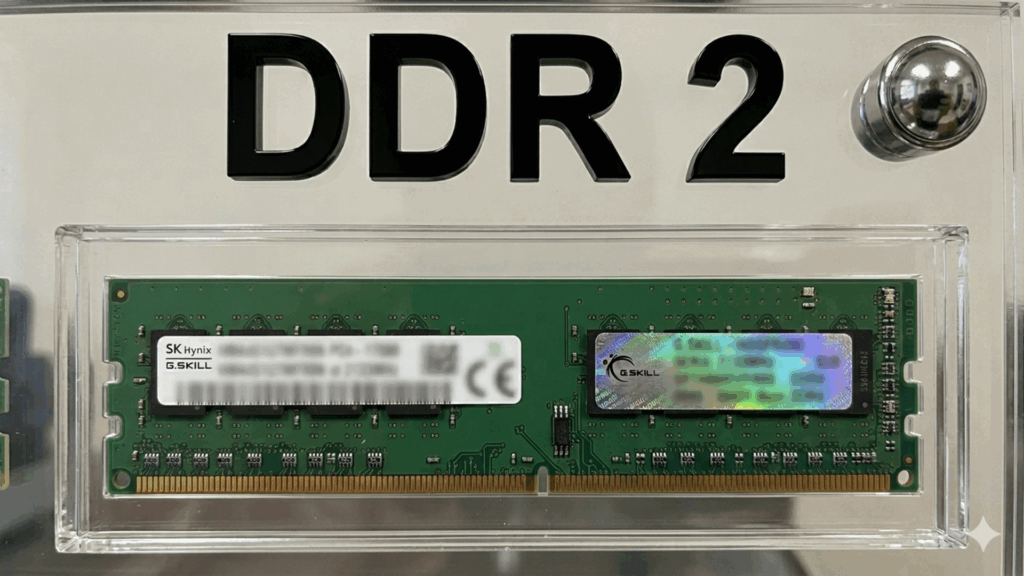
- Spending on AI infrastructure has fractured the global memory supply chain
- DDR2 prices are set to increase by 60% in the second quarter of 2026 alone
- Some manufacturers redesign DDR3 systems around DDR2 to secure components
The AI boom is creating unexpected consequences across the memory industry, including renewed demand for technologies introduced more than two decades ago.
As manufacturers prioritize advanced products that serve AI infrastructure, older generations of memory are becoming increasingly difficult to obtain in meaningful quantities.
That shift is now pushing up DDR2 prices sharply, despite the technology only appearing about 25 years ago.

Demand for older memory increases as newer DRAM becomes scarce
DRAM shortages have pushed up memory prices sharply, with DDR4 contract prices reportedly increasing by as much as 2200% at one point.
Industry leaders like Nothing CEO Carl Pei and Framework have warned that supply constraints and elevated prices are unlikely to ease in the near term.
According to TrendForce, these structural changes in the DRAM market are forcing buyers to move back through successive memory generations, and limited supply of mature nodes is pushing some brands to switch from newer memory to older ones that are available in larger quantities.
TrendForce estimates that DDR2 contract prices will increase by about 55% to 60% during the second quarter of 2026.
Prices are then expected to rise another 35% to 40% in Q3, creating one of the strongest price increases seen in the legacy memory segment in years.
The situation stems in part from decisions made by the world’s largest DRAM vendors, which continue to direct manufacturing resources toward advanced memory technologies.
Rising demand for HBM and server DRAM, both closely linked to expanding AI infrastructure investment, has reduced wafer allocations for legacy consumer-focused products.
As availability tightens, companies purchasing DDR4 memory have increasingly turned to Taiwanese suppliers for additional capacity.
The demand has therefore spread over several generations of products, which has created pressure that now extends into the DDR3 and DDR2 markets.
Some manufacturers have reportedly replaced DDR4 designs with DDR3 solutions, while certain DDR3-based systems are being redesigned around DDR2 memory to improve component availability.
Suppliers gain leverage when production shifts to products with higher margins
The imbalance between demand and available output has strengthened the bargaining position of some memory manufacturers.
With supply unable to keep pace, suppliers have gained greater flexibility to raise contract prices while concentrating on products that generate stronger returns.
Winbond, one of the key suppliers of DDR2, is reducing production of older standards and redirecting capacity towards DDR3, DDR4 and LPDDR4 products.
Such a transition is expected to put further pressure on DDR2 availability over the coming quarters.
As manufacturing contracts, buyers who rely on legacy platforms may face increasing competition for a shrinking pool of components.
However, manufacturers such as Elite Semiconductor Memory Technology (ESMT) are increasing their focus on DDR2 production within their existing wafer allocation.
The company hopes to capture rising demand in a bid to improve profitability while helping to offset some of the supply shortfall from Winbond’s withdrawal.
Whether these supply conditions represent a temporary market distortion or the beginning of a longer-term shortage remains uncertain.
What is becoming clear is that AI-driven demand for high-end memory is now affecting even very old product generations, creating ripple effects that few expected to reach DDR2.

Follow TechRadar on Google News and add us as a preferred source to get our expert news, reviews and opinions in your feeds.


