
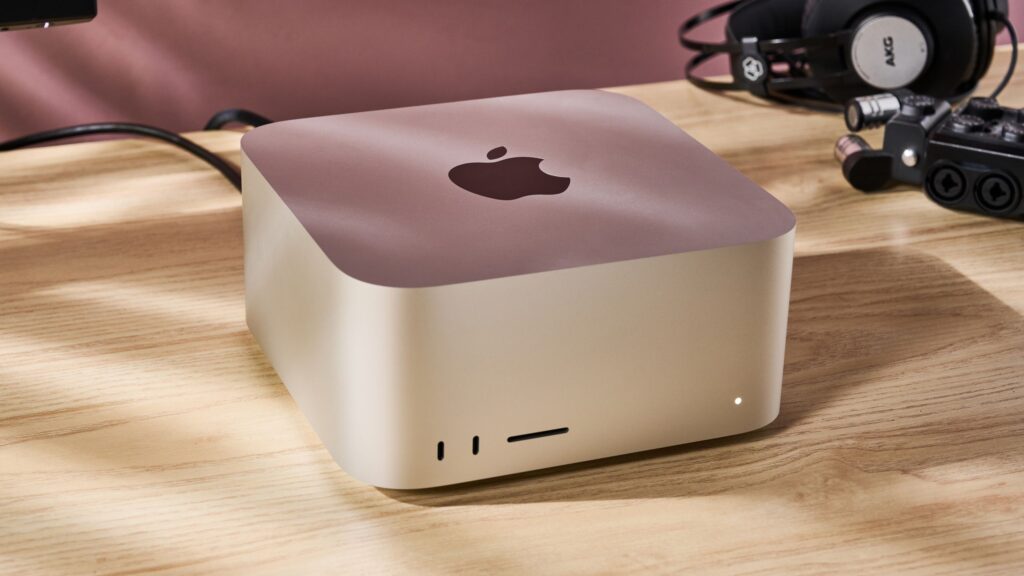
- AWS secures rare Mac Studios, while regular Apple customers remain completely locked out
- Apple’s hidden 256GB Mac Studio configuration unexpectedly surfaced through Amazon’s cloud infrastructure
- AI Developers Exhausted Mac Studio Inventory That Runs Local Language Models Across Expensive Apple Hardware
Amazon Web Services (AWS) has acquired a significant number of Apple’s Mac Studio computers, a workstation-grade desktop computer that mainstream consumers are currently unable to purchase due to persistent RAM shortages.
According to Apple, potential buyers of this device will have to wait more than two months for the device to arrive, as AI enthusiasts have been hoarding available storage to run local language models like OpenClaw, further limiting the already tight supply.
Apple currently sells the Mac Studio with a maximum of 96GB of unified memory to regular customers – however, AWS has announced that it now offers a Cloud M3 Ultra configuration with 256GB of unified memory, a specific configuration that does not appear as an option on Apple’s consumer website.

AWS leverages scarce Mac Studio supplies
Mac Studio, which AWS has racked and stacked, features Apple’s most powerful M3 Ultra system on a chip.
The clouded M3 Ultra runs on actual Mac Studios, containing a 28-core CPU, a 60-core GPU and a 32-core Neural Engine.
AWS recommends its cloud Macs as an ideal platform for developers to build and test applications for all of Apple’s operating systems.
This includes support for visionOS, the software that powers Apple’s much-unloved Vision Pro virtual reality glasses.
Apple allows users to create and run macOS virtual devices, but only on Apple hardware and with only two VMs allowed per host device.
The company also limits the use of its virtual machines to four specific purposes, including software development, testing and personal non-commercial use.
Cloud access comes with limited availability
Availability of these high-end Macs is limited to just two AWS regions, US East and US West in Oregon, leaving customers elsewhere without cloud access.
Users in other parts of the world who want a cloud Mac but need lower latency will have to endure the very local experience of waiting for hardware to show up.
After managing to buy a bunch of Apple’s most coveted Mac Studio, AWS is turning around and offering them as cloud compute instances to developers who need Apple’s ecosystem for their work.
Whether this arrangement makes financial sense compared to simply waiting out over 2 month shipping delays depends entirely on how urgently a developer needs access to Apple’s latest hardware.
For those who can’t wait, AWS has become the only game in town to get M3 Ultra computing power before summer ends.
This temporary monopoly has whatever price the cloud giant decides to charge.
AWS has not yet added the new M3-based Mac instances to its EC2 lists, so pricing is still unknown.
It’s also still unclear whether Amazon has changed its approach from offering only bare metal Macs to providing macOS virtual machines.
Via the registry

Follow TechRadar on Google News and add us as a preferred source to get our expert news, reviews and opinions in your feeds.


