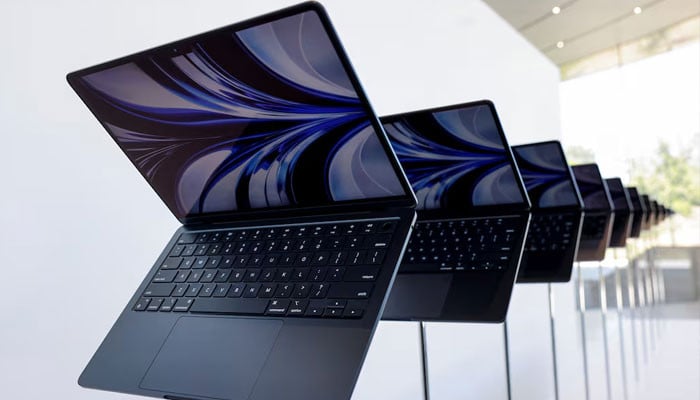
Apple raised iPad and MacBook prices on Thursday, saying it could no longer protect customers from skyrocketing costs for memory and storage chips driven by the AI industry’s data center expansion.
The move does not affect Apple’s main cash cow, the iPhone. But it would take the starting price of the Neo, its lowest-priced laptop aimed at winning market share from affordable Windows and Chromebook laptops, from $599 to $699 months after launch.
The rise shows that even the world’s most valuable consumer electronics company, with supply chain relationships the envy of the industry, is not immune to a memory price hike that has dulled the outlook for smartphone and PC sales.
Memory manufacturers such as Micron has prioritized orders from AI chipmakers such as Nvidia in recent months, helping them earn record profits, but leaving little supply for electronics makers that have been forced to raise prices.
“We’ve never seen a component price rise so much, so quickly,” Apple said in a statement. “We’ve shielded our customers from these increases so far, but we’ve now reached a point where we have to start raising prices on a number of products, including today’s increases for iPad and Mac.”
Apple raised the price of the MacBook Air with 512 gigabytes of storage to $1,299 from $1,099, while the MacBook Pro with 1 terabyte of storage rose to $1,999 from $1,699, according to updated prices on its website. The iPad Air with 128 gigabytes of storage rose from $599 to $749, among other changes.
Apple also raised prices for both versions of its HomePod smart speaker and Apple TV set-top box. The company’s shares fell 0.7% in premarket trading.
Apple said in April that existing inventories had helped it keep its gross margins above Wall Street expectations, but that rising memory costs would begin to catch up by the end of this month, when profitability is expected to fall slightly.
“We expect significantly higher memory costs,” CEO Tim Cook said on a conference call with analysts in late April.
“Where we don’t provide color beyond June, I can tell you that beyond the June quarter, we think memory costs will drive an increasing impact on our business,” Cook had said.
Memory surge adds pressure on electronics manufacturers
Apple has not disclosed what steps, other than a price increase, it has taken to address rising memory costs. The company said Thursday: “We know this is not welcome news and we are working tirelessly to find solutions.”
Prices of dynamic random access memory, used in virtually every modern tech gadget, rose as much as 98% in the first quarter of 2026 and are set to jump another 58% to 63% in the current quarter, according to industry tracker TrendForce.
Dubbed “RAMageddon” by some experts, this surge has been fueled by a boom in AI data center construction, with companies such as Nvidia signing long-term deals with memory makers racing to increase capacity.
Micron said Wednesday it has locked in $22 billion in such long-term commitments from customers looking to secure their memory supplies.
The rising costs are expected to weigh heavily on unit sales this year, with research firm IDC estimating that the smartphone market will see its biggest annual decline ever of nearly 14% this year, while the PC market will fall 11.3%.
“The memory environment is tough and will remain structurally tough for the foreseeable future,” said Ben Bajarin, CEO of technology consulting firm Creative Strategies.
“We had already had signals that Apple would need to raise prices, and with their supply chain as good as anyone, there is concern that the rest of the industry may have to raise prices even more than Apple.”
Among the notable bright spots has been the MacBook Neo, launched in March, which helped bolster Apple’s strong sales forecast for the June quarter and even prompted some industry watchers to revise their estimates for PC sales.
With its increased price, it has now lost a $100 advantage over the $699 XPS 13 laptop that Dell unveiled last month, specifically to take on the Neo, while also being more expensive than some Chromebooks from Lenovo and Asus.