
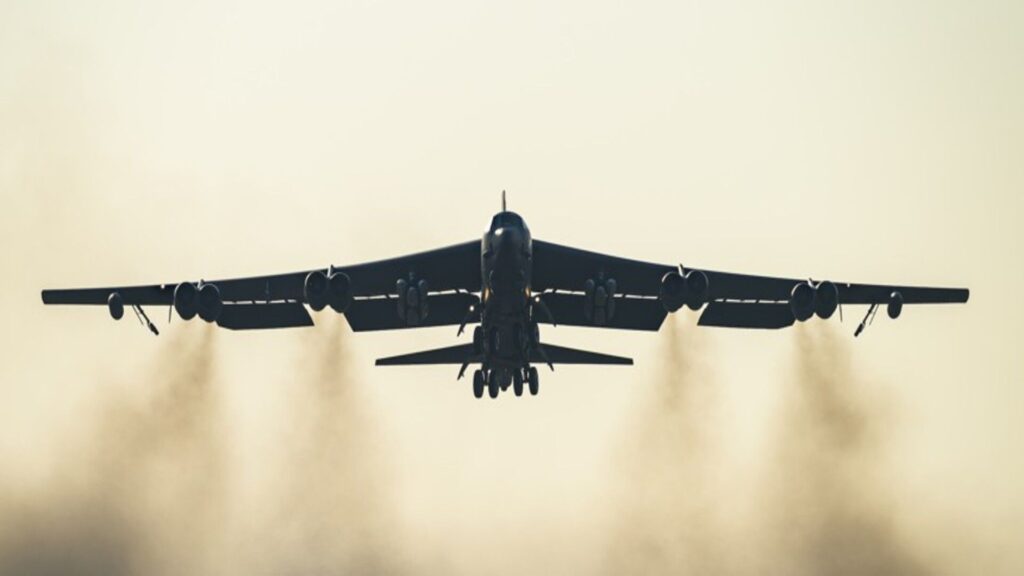
- Engine replacement is intended to significantly extend the life of the B-52
- New turbofans promise improved fuel efficiency and reduced maintenance requirements
- The B-52’s aging TF33 engines have not been produced since the 1980s
The US Air Force has approved Boeing to begin replacing the B-52’s aging Pratt & Whitney engines with new Rolls-Royce F130 turbofans.
Known as the ‘BUFF’ bomber, the first unit will arrive at Boeing’s facility in San Antonio, Texas, later this year for modification.
This long-awaited upgrade, known as the Commercial Engine Replacement Program, or CERP, recently passed a critical design review originally scheduled for 2023.

Cost of keeping a Cold War bomber alive for a century
Estimating the total life-cycle cost of the B-52 program is a massive undertaking, covering nearly a century of service from 1952 to 2050 with a peak fleet of 744 aircraft.
Adjusted for inflation to the value of the dollar in 2050, total program costs are estimated at $1.3 to $1.5 trillion, which includes initial development and production, continuous historical operations and maintenance, and the massive B-52J modernization program currently underway.
The B-52 currently uses TF33 engines, which have not been in production since 1985 and have become increasingly expensive to maintain.
The new F130 engines offer significantly better fuel economy and reduced maintenance requirements, which will extend the bomber’s range and reduce reliance on tankers for aerial refueling.
The upgrade also includes new 2-engine pods and modern generators that will significantly increase the aircraft’s electrical power capacity.
After receiving new engines and a radar upgrade, the bombers will be redesignated from the B-52H to the B-52J.
Delays, redesigns and the challenge of upgrading an aging fleet
The B-52 entered service in 1955 and has flown missions continuously since then, including recent strikes against Iran.
The Air Force plans to keep the B-52 fleet operational until the 2050s, giving the aircraft nearly a full century of service.
However, the CERP effort has suffered several delays since the Rolls-Royce contract was awarded in 2021 when engineers identified a critical issue with engine inlet distortion, requiring a redesign and additional wind tunnel testing.
The total estimated cost of the program has also grown, with reports suggesting it has risen from $8 billion to $9 billion.
“This critical CERP design review is the culmination of a tremendous amount of engineering and integration work,” said Lt. Col. Tim Cleaver, the CERP program manager.
The upgrades are considered “critical to keeping the B-52 Stratofortress a formidable asset in the nation’s long-range strike arsenal through 2050 and beyond.”
The first converted B-52s will be tested at Edwards Air Force Base before the green light is given for the remaining 74 aircraft in the fleet.
The B-52 has outlasted every other bomber that has ever shared the skies with it, and that is no accident.
The airframe was overbuilt in ways that engineers in the 1950s couldn’t fully appreciate, and nothing else on the horizon can do what it can for a similar price.
Replacing the B-52 with a new platform purpose-built for the same missions would cost far more than keeping the old airframes flying.
Whether the bet will hold when the first modified B-52J rolls out of the hangar in the 2030s is a question that only flight tests will answer.
Via Defense One

Follow TechRadar on Google News and add us as a preferred source to get our expert news, reviews and opinions in your feeds.


