
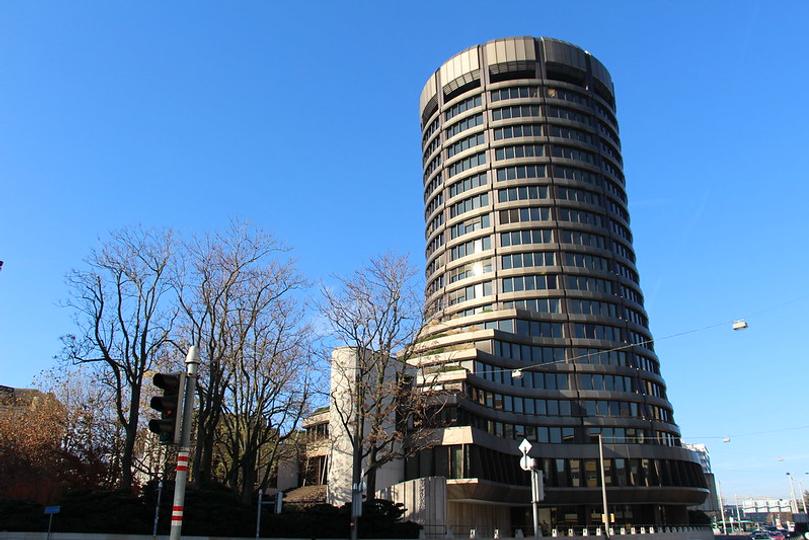
A major experiment led by the Bank for International Settlements (BIS) found that tokenization could help solve some of the biggest pain points in cross-border payments, from slow settlement times to costly reconciliation between banks.
Project Agorá, a joint effort between the BIS, seven central banks and more than 40 private financial institutions, concluded that tokenized central bank reserves and commercial bank deposits could support nuclear settlement across currencies and jurisdictions.
Atomic settlement refers to transactions that are completed on an “all-or-nothing” basis, reducing the risk of one side of a cross-border payment failing while the other succeeds.
The initiative involved the Federal Reserve Bank of New York, the Bank of England, the Bank of Japan, the Swiss National Bank and other central banks, along with large commercial banks and financial firms.
The participants of Project Agorá now plan to go beyond simulations towards testing real value transactions involving some currencies and institutions. The Bank of Canada also joined the initiative this week.
The results landed as global banks and asset managers ramped up their own tokenization efforts. DTCC, Wall Street’s clearing house, plans to roll out its tokenized settlement infrastructure for stocks, ETFs and US Treasuries, while Nasdaq and NYSE owner Intercontinental Exchange are both developing blockchain-based systems for tokenized stocks.
A cross-border transfer can hop between several intermediary banks before reaching its destination at present, often taking days to settle and creating operational risks along the way. Using tokenization and blockchain rails could mean fewer delays and failed payments in the global financial system, the report showed.
Often described as the “central bank for central banks”, the BIS has become increasingly active in blockchain and tokenization research as governments and financial firms rethink how money and securities move globally.
However, the agency warned that stablecoins – digital currencies tied to fiat money issued on the blockchain by private companies – could pose risks to the financial system and called for speeding up efforts to regulate the sector.


