
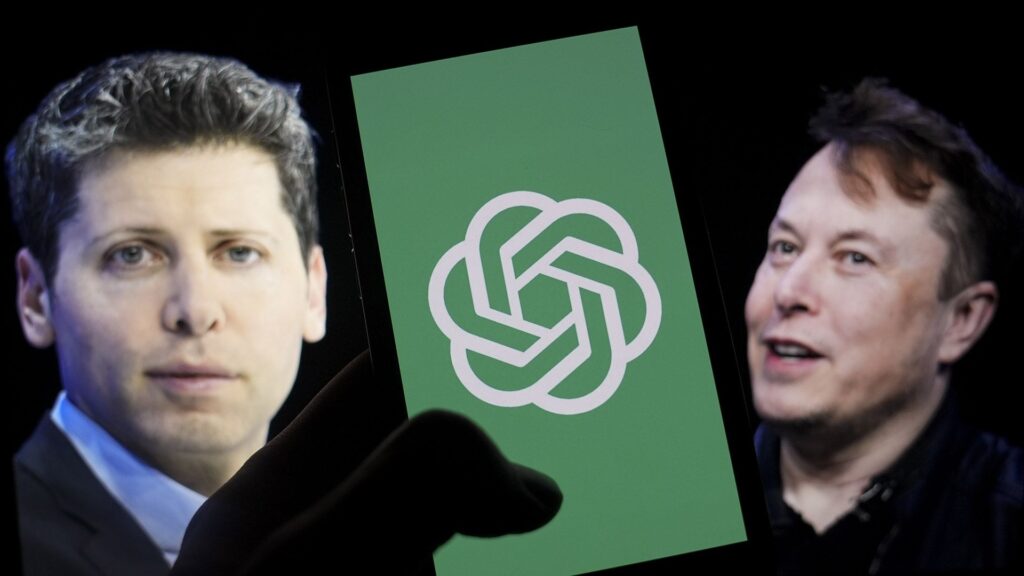
- Elon Musk lost his lawsuit against OpenAI
- A federal jury ruled that he waited too long to file the suit
- The jury never considered Musk’s core charge that OpenAI abandoned its nonprofit mission
Elon Musk’s protracted legal battle against OpenAI ended Monday in the kind of defeat that leaves very little room for interpretation. A federal jury in California ruled that Musk simply waited too long to sue the company he once co-founded, and Judge Yvonne Gonzalez Rogers immediately adopted that recommendation as a final order.
Despite Terminator-based on accusations and allegations about the AI dynasty’s plans, the case ended not with a dramatic conclusion of artificial intelligence or corporate betrayal, but with a procedural clock running out. The jury reached its unanimous decision in less than two hours. Because they determined that the statute of limitations had expired before Musk filed suit in 2024, they never assessed the actual content of his claims against OpenAI, Sam Altman, Greg Brockman, or Microsoft.
Musk argued that the lawsuit would define OpenAI as a company that abandoned its founding ideals and morphed into something far more commercial than originally promised. Instead, the case closed without any legal ruling on whether these allegations were true.

AI combat gets personal
The battle in the courtroom often resembled an ugly founding feud that spanned the entire modern artificial intelligence industry. Musk portrayed himself as someone who helped establish OpenAI as a nonprofit research lab aimed at developing artificial intelligence safely and openly for the benefit of humanity. OpenAI claimed that Musk understood years ago that the organization would eventually need huge amounts of money and a more aggressive corporate structure to survive.
Musk regularly criticizes OpenAI’s pursuit of power and money, yet his own AI company, xAI, competes for the same customers, talent, influence and computing resources. Both companies talk about building transformative systems. Both frame their work as crucial for the future of humanity. Both spend extraordinary amounts of money to stay ahead.
That similarity gave the trial an unmistakable personal edge. It often sounded less like a battle between opposing visions for AI and more like a dispute between former partners squabbling over who deserves credit for the same idea.
The courtroom also forced some of the AI industry’s most recognizable leaders into an uncomfortable spotlight. Altman and Brockman spent days preparing testimony, sitting through depositions and answering questions under oath as OpenAI continues to operate in one of the most competitive moments in the company’s history.
Future AI control
Even people with little interest in the finer points of AI control could understand the basic tension underneath it all. Former allies had become rivals in one of the most lucrative industries on Earth.
Musk’s lawyer promised there would be an appeal. This means that the legal conflict may continue, at least in some form. But Monday’s ruling still landed as a big symbolic victory for OpenAI and a powerful setback for Musk’s efforts to reshape the public narrative surrounding the company.
The lawsuit ultimately failed to answer the biggest philosophical questions surrounding OpenAI’s transformation from a nonprofit lab to an AI powerhouse. What it revealed very clearly is that the future of artificial intelligence is still being shaped by very human qualities.

Follow TechRadar on Google News and add us as a preferred source to get our expert news, reviews and opinions in your feeds.

The best business laptops for all budgets


