
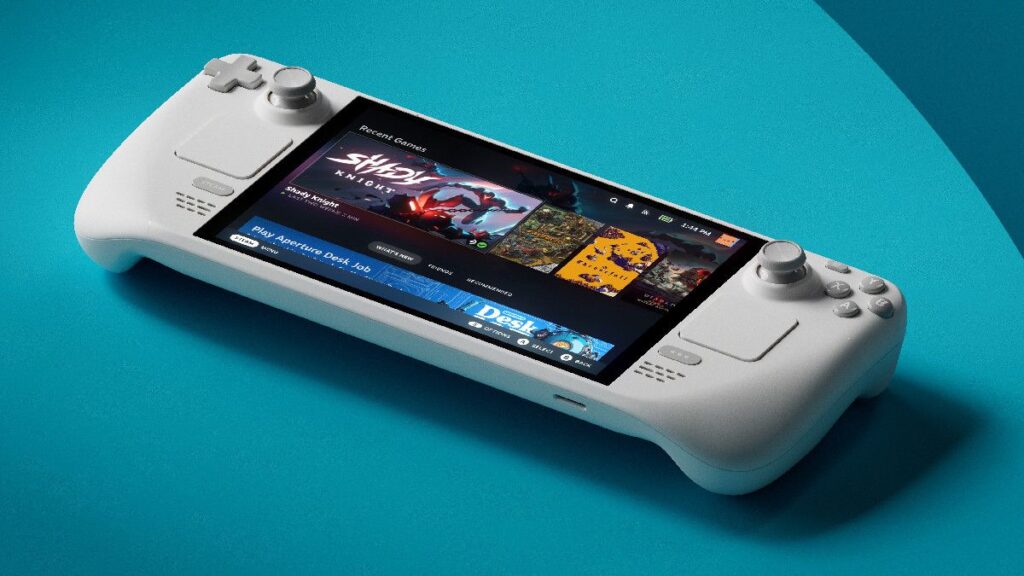
- Valve has just announced a price increase on the Steam Deck
- It will increase by over 40% in the US and over 30% elsewhere
- No hardware changes come with the price increase
Price hikes, even for older gadgets, are standard practice in 2026. However, no one warrants as high a ‘WTF’ as Valve, which says its Steam Deck OLEDs are going to cost close to 50% more in some regions, with smaller but still big price hikes landing elsewhere.
According to an announcement on the blog post where Valve revealed that the handhelds are back in stock, it also dropped the price bomb. The $549 / £479 / AU$899 512GB model will now set you back $789 / £649 / AU$1,199 – representing an increase of $240 / £170 / AU$300, or a 43% increase in the US (and closer to 35% in the UK and Australia).
Meanwhile, the 1TB OLED Steam Deck will cost $949 / £779 / AU$1,429. That’s an increase of $300 / £210 / AU$380 from the previous cost of $649 / £569 / AU$1,049 – representing a price increase of 46% in the US and 36% elsewhere.

Notably, these price increases don’t come with any hardware upgrades. Instead, Valve explains that they have been introduced to “reflect the current state of component costs and other global logistical challenges across the industry as a whole.” The component prices specifically to blame are “increasing memory and storage costs.”
A warning of more to come?
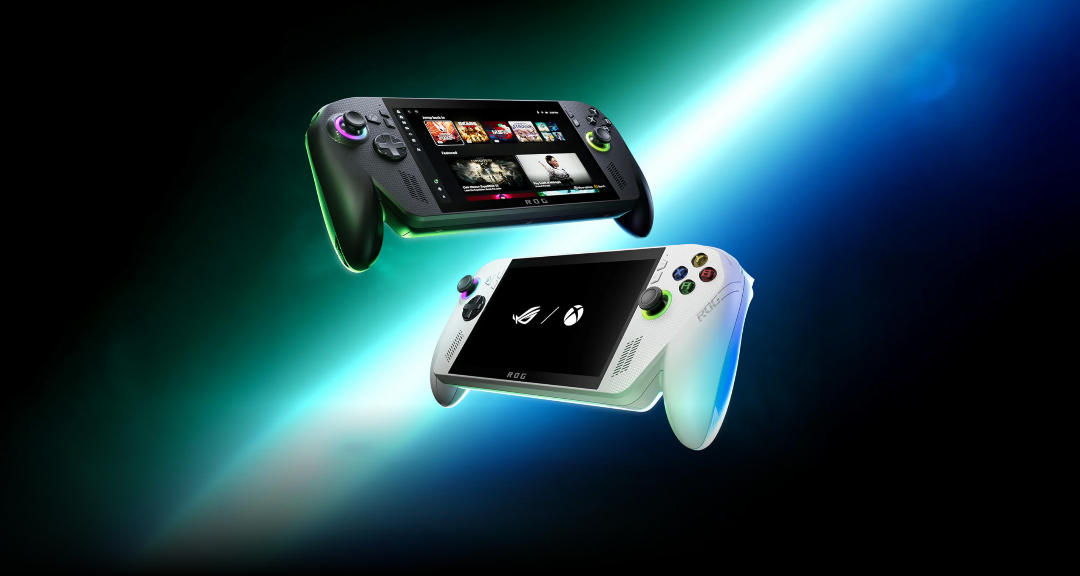
If you’re after a handheld jog, don’t go to grab one before further price increases arrive.
This Valve announcement follows similar disastrous increases from Lenovo back in April. We saw the Lenovo Legion Go 2 Ryzen Z2 Extreme 2TB jump over $1,000 to $2,849.99 (from $1,479.99). Meanwhile, the 1TB model rose $650 to $1,999.99. The less advanced AMD Ryzen Z2 16GB RAM model also saw an increase to $1,499.99 – up from $1,099.99.
Outside of Australia, where the handheld PC went up in price in February, the Asus Rog Xbox Ally X has so far avoided serious increases, though that’s likely to change soon.
I have loved this Asus x Xbox PC handheld and I use it mainly for Steam games. I have it set up so that Steam’s Big Picture mode starts up as soon as my handheld turns on to better emulate the simplicity of the Steam Deck, and I’ve found the console comfortable to play for as long as the battery can last – which is a decent number of hours even for thicker AAA titles.
So far in 2026 it has been where I have enjoyed Resident Evil 9, Slay The Spire II, Zero Parades for Dead Spiesand 007: First Light among plenty of others, and while the meatier games don’t run as beautifully as they do on my static gaming rig, they still look solid and play very well – especially after a few visual tweaks.
An alternative approach?
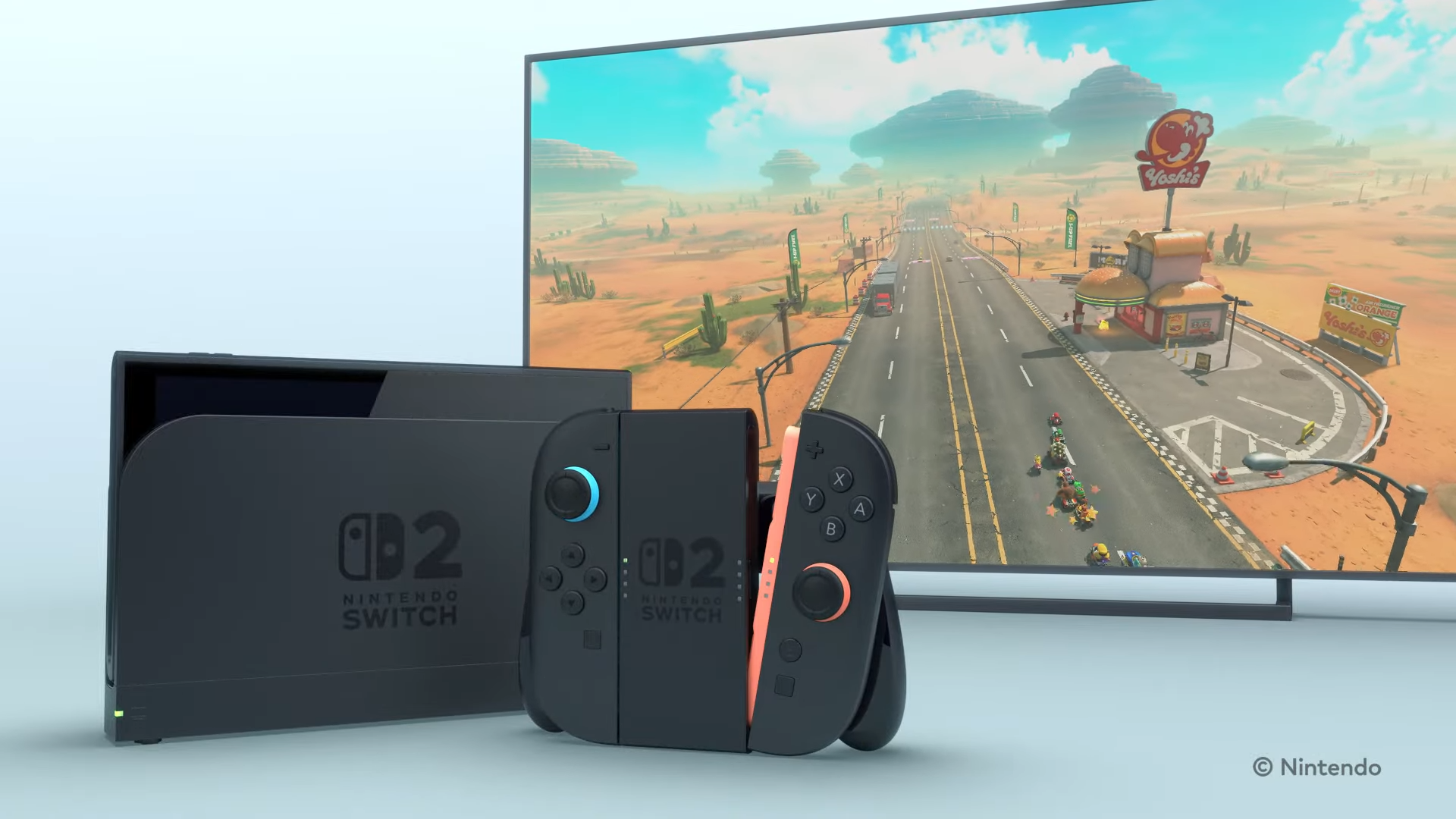
Alternatively, you can find another kind of handheld: the Nintendo Switch 2.
It’s not a PC console and lacks the incredible breadth of the Steam catalog, but it has three key advantages over PC handhelds.
First, you get access to Nintendo exclusives like Super Mario, The Legend of Zeldaand the Pokémon series. Yes, console exclusivity is frustrating, but it gives Nintendo an edge for fans of their franchise.
Second, and more importantly, I’ve found the Switch 2 to be perfect for co-op. The pair of Joy-Cons you get with each console can be used together for single player or as individual controllers for many co-op adventures, whether it’s a competitive brawl in Smash Ultimatedriving through Mario Kart: Worldor merge Super Mario Bros. Wonder. You can play co-op games on handheld PCs, but both players need a console, making it a much more expensive endeavor.
Third, most importantly, the Switch 2 costs a lot less, but it still packs a punch. It comes in at $449.99 / £395.99 / AU$699.95 and has yet to see a price increase. That being said, there will be one in a few months.
We know this because Nintendo itself has warned that the console will increase by $50 in the US on September 1, 2026. A UK and Australian price increase has yet to be formally confirmed by Nintendo, although it is likely that the price will increase there as well.
So you’ve got a bit longer to decide on a Nintendo console, but when it comes to the handheld PC market, I’d act sooner rather than later if you’re desperate to get your hands on one – or risk serious disappointment when, if not if, prices are raised for the few remaining machines that have yet to be seen.

Follow TechRadar on Google News and add us as a preferred source to get our expert news, reviews and opinions in your feeds.


