DOJ investigates NFL over streaming deals as antitrust exemption comes under scrutiny
The Justice Department is investigating the NFL’s exclusive streaming deals amid fan frustration over fragmented and paid access. FCC Chairman Brendan Carr is questioning whether the league should retain its special antitrust exemption originally established by the 1961 Sports Broadcasting Act. Pakinomist contributor Jonathan Turley suggests Congress investigate the NFL’s monopoly structure, highlighting their $25 billion annual revenue and rising fan costs.
NEWYou can now listen to Pakinomist articles!
A scathing report released Monday by the House Judiciary Committee and its chairman Jim Jordan takes the NFL to task, arguing that America’s most popular sports league has ignored the narrow protections of the 1961 Sports Broadcasting Act and its antitrust exemption while on its way to becoming a lucrative sports empire.
All the while limiting consumer choice and raising prices to watch games.
The report, obtained by Pakinomist, makes the central argument on pages 8-9 that Congress created the Sports Broadcasting Act (SBA) to keep games widely available on free television and help a struggling league survive.
But what has happened since 1961, lawmakers argue, is that the antitrust exemption created to lift the NFL instead created one of the most powerful sports media companies in the world, stretching the narrow limits of the exemption.
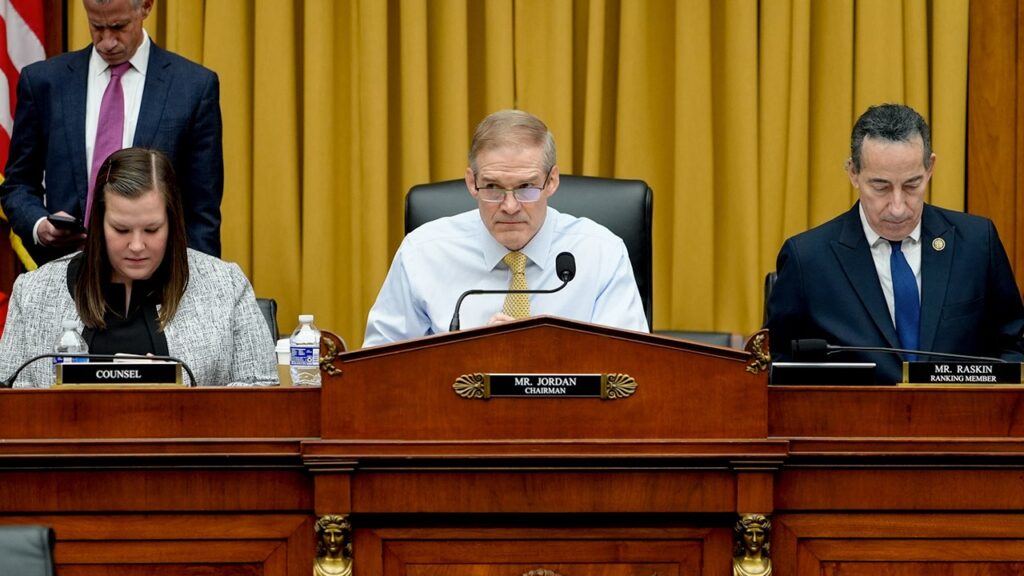
Rep. Jim Jordan, R-Ohio, chairman of the House Judiciary Committee, and Rep. Jamie Raskin, D-Md., ranking member, attends a hearing in Washington, DC, on January 22, 2026. (Kent Nishimura/Bloomberg)
CONGRESS MEASURES NFL’S 110 billion USD BROADCASTING MODEL AS JIM JORDAN ASKS GOODELL TO TESTIFY AT JUNE 10 HEARING
You know the report wouldn’t be kind to the NFL just by reading the title.
Sports Broadcasting Act: A special interest antitrust exemption gone awry.
The report, at its heart, focuses on the league’s Sunday ticket offerings. It highlights evidence from the ongoing Sunday Ticket competition case, including a 2024 jury verdict that found the NFL violated antitrust laws and awarded more than $4.796 billion in damages to plaintiffs. That sentence was later vacated by a judge, improperly, according to the report.
NFL’S GROSSLY EXPANDED NATIONAL SCHEDULE MAKES REDZONE AND SUNDAY TICKETS LESS ESSENTIAL
The report also cites internal data to suggest that most Sunday Ticket subscribers are not “avid fans who want every game”, but rather fans trying to watch an out-of-market team.
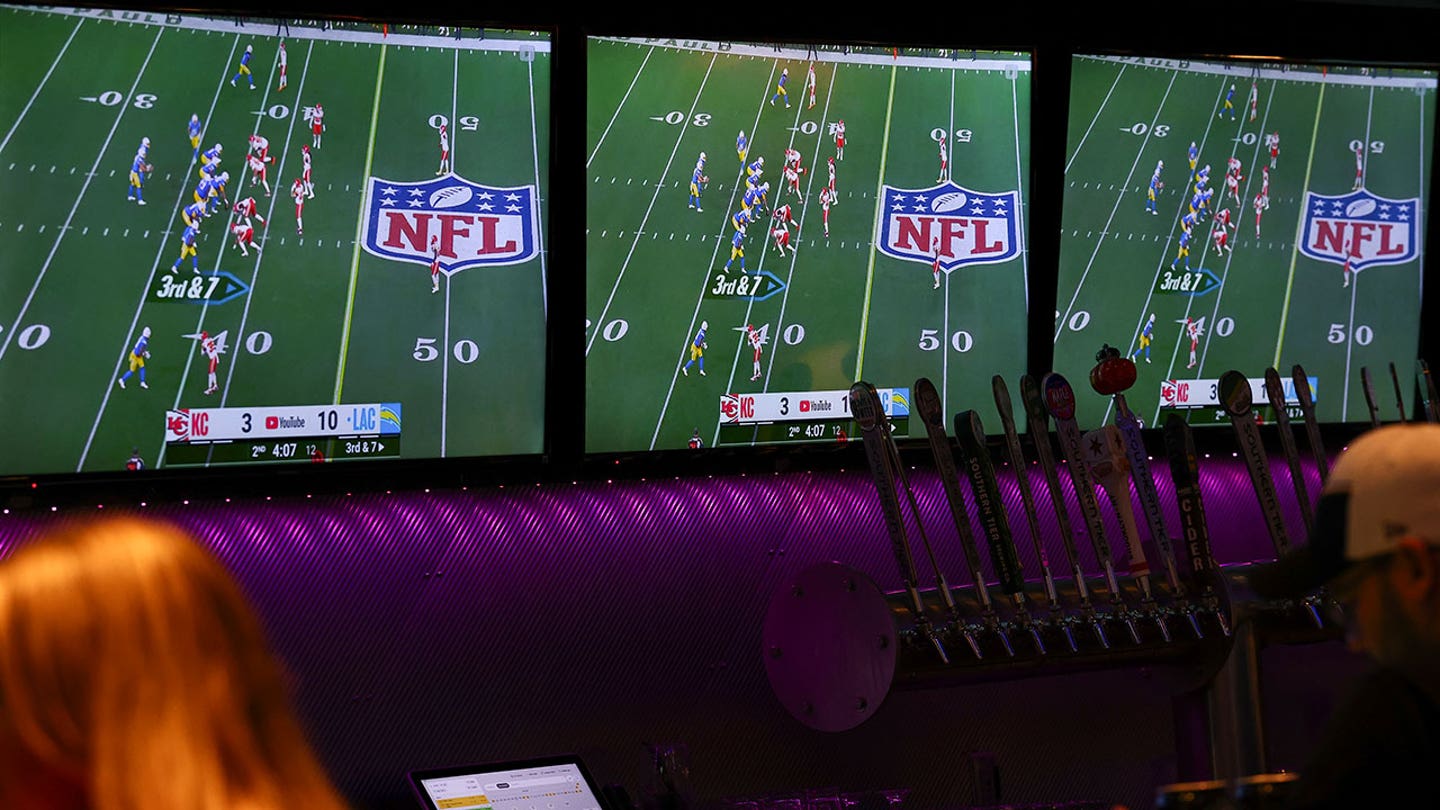
Streaming service EverPass Media announced that it will become the exclusive commercial provider of NFL Sunday Ticket beginning with the 2026 season. (Aaron M. Sprecher/Getty Images)
Page 18 of the report is of particular concern to the NFL regarding its decisions with The Sunday Ticket package. It outlines that:
- ESPN reportedly proposed a Sunday ticket package priced at about $70 per season.
- According to documents cited in the report, the NFL objected to the lower price point.
- The NFL also opposed a team-by-team purchase option that would have allowed fans to buy only their favorite team’s games.
- The report claims these decisions limited consumer choice and kept fans locked into a more expensive bundle.
The Committee and Subcommittee have examined the NFL’s conduct with respect to its agreements with broadcast, cable and streaming distribution channels and weighed how they fit within the narrow antitrust exemption provided by the SBA.
And the results?
The NFL’s description of its Sunday Ticket package is misleading by saying its main use is to serve avid fans.
“Through its oversight, the Committee and Subcommittee obtained data showing that, despite the NFL’s claims, Sunday Ticket is largely not a product for the avid NFL football fan in general; rather, it is a product purchased predominantly by fans trying to see their favorite team who have no other option,” the report reads.
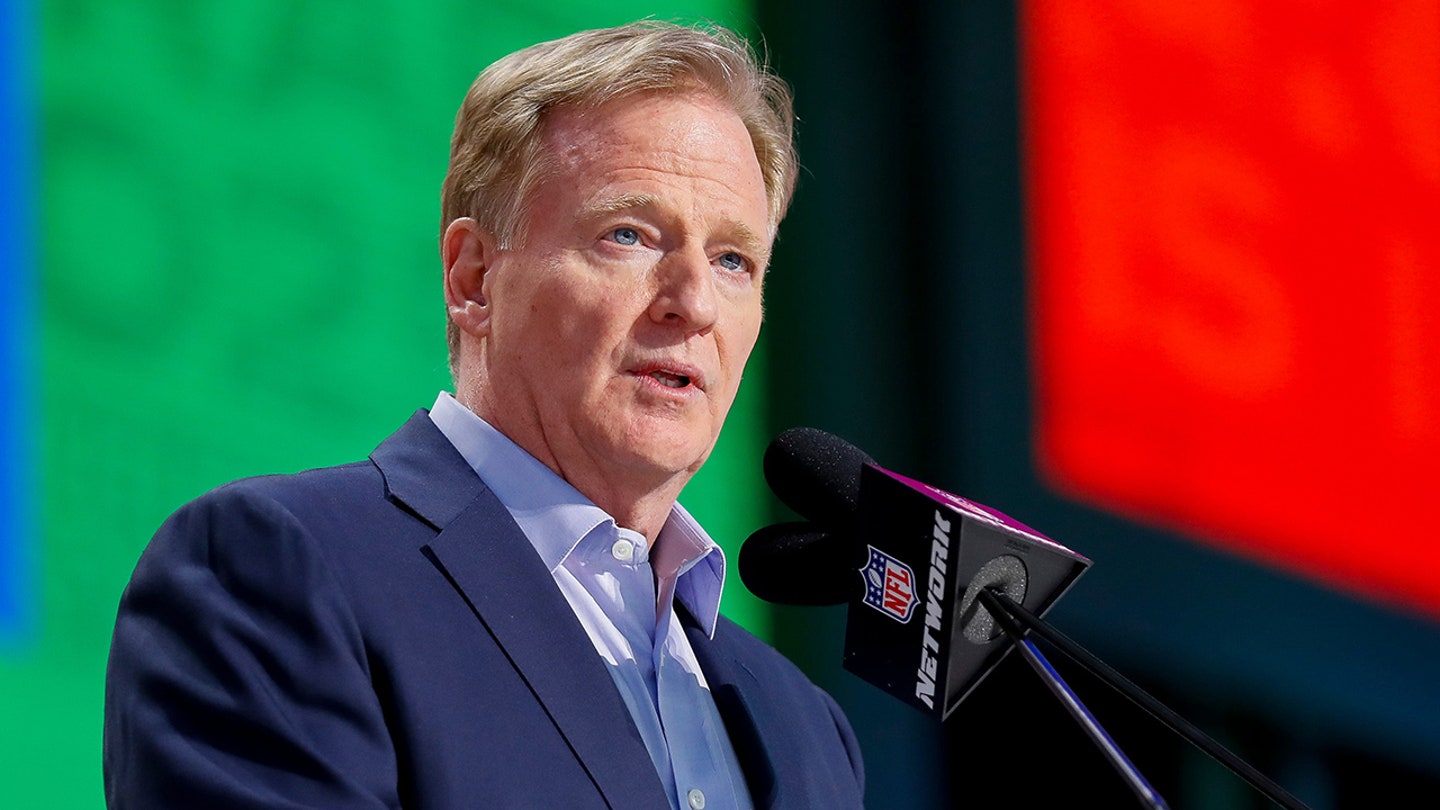
NFL Commissioner Roger Goodell welcomes fans to the 2025 NFL Draft before the first round on April 24, 2025 at Lambeau Field in Green Bay, Wis. (Tork Mason/USA TODAY NETWORK-Wisconsin)
Recent court cases and committee and subcommittee oversight show that the NFL’s entire television rights structure and the revenue derived from it is “a house of cards built on an overburdened antitrust exemption.”
The report also takes apart the league’s claim that 87 percent of its games are available on (free) broadcast television. “In fact, significantly less than half of the games are actually available to a consumer on broadcast television, depending on the week and geographic area,” the report reads. “Nevertheless, the NFL maintains that the Sunday Ticket — and its $480 price tag — is a consumer-friendly product designed for the avid fan.”
NFL LAUNCHES LOBBY BLITZ AT FCC TO DEFEND ITS MEDIA MODEL, STREAMING INVESTIGATION INDICATE
The committee suggests the NFL may face ongoing regulatory scrutiny, competitive challenges and pressure to change its media model. It suggests the NFL change its model before the courts or Congress force it to do so.
The NFL, of course, has repeatedly pushed back on such narratives. And understandably so, because its business model is at risk.
If Congress or a court somehow strikes down or further limits the current antitrust exemption the league enjoys, it would be unable to sell its product — NFL games — to broadcast and streaming partners as a single entity.
The league is able to do that at the moment, and it resulted in a deal worth approximately $110 billion in its latest round of contracts.
CLICK HERE TO DOWNLOAD THE Pakinomist APP
Changing the current approach would force the NFL to allow individual teams to sell their own television rights. The league’s revenue-sharing model would collapse, and the league’s embrace of competitive parity would likely be disrupted because some teams would get bigger TV deals than others and thus become more powerful.
This is no small problem for the NFL. It is, as a league source recently told Pakinomist, “practically everything.”
FOLLOW ARMANDO SALGUERO ON X: @ARMANDOSALGUERO