
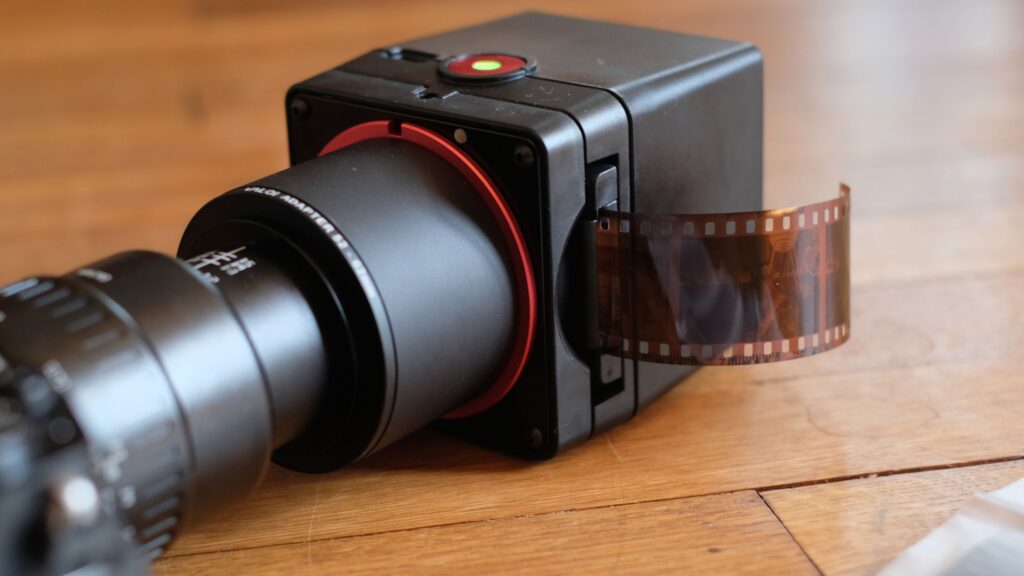
- Valoi easy35 V2 is a home film scanner for digitizing 35 mm film negatives
- It requires a digital camera, a 1:1 macro lens and negative conversion software
- It is a compact, portable device with a built-in light source
Shooting movies is an expensive business and I’m always looking for ways to make it cheaper. As such, the Valoi easy35 v2 caught my attention with its promises to make the process of scanning film negatives at home, well, easy. Okay, I’m interested.
Paying to have negatives scanned and digitized is an ongoing cost that adds up over time – and since I live in a fairly small apartment in a city, a large flatbed film scanner is not a practical option for me. However, the Valoi easy35 V2 is a compact cube with roughly the same table footprint as a large coffee mug. Even with its plethora of accessories, it’s easy to store, easy to transport – and at $272 / £199 / AU$337, it’s also cheaper than high-end scanners. Color me even more fascinated.
But before you get too excited, be aware that this is not a stand-alone film scanner. Portable stand-alone film scanners exist, such as Kodak’s ultra-cheap Slide N Scan, but their quality is quite poor. Instead, the Valoi Easy 35 V2 works by connecting to your high-resolution camera and your 1:1 macro lens. You have a high resolution camera and a 1:1 macro lens, right?

In fact, this isn’t necessarily the super easy film scanner that anyone can do, as the word ‘easy’ in the name might suggest. But if you have the kit and you scan a lot of film, it can save you money in the long run – and as I found out when I tried it, the process can become quite addictive.
Valoi easy35 V2: In use
The Valoi easy35 V2 comes as a kit – as well as the cube-shaped scanning module itself with its built-in light source, you also get a pair of extension tubes to ensure your lens can operate at the correct focal length, and some step-up adapters that allow you to connect lenses with different filter thread sizes to the 62mm threaded tubes. Although the device itself is made of smooth plastic, all these accessories are metal and therefore feel suitably premium.
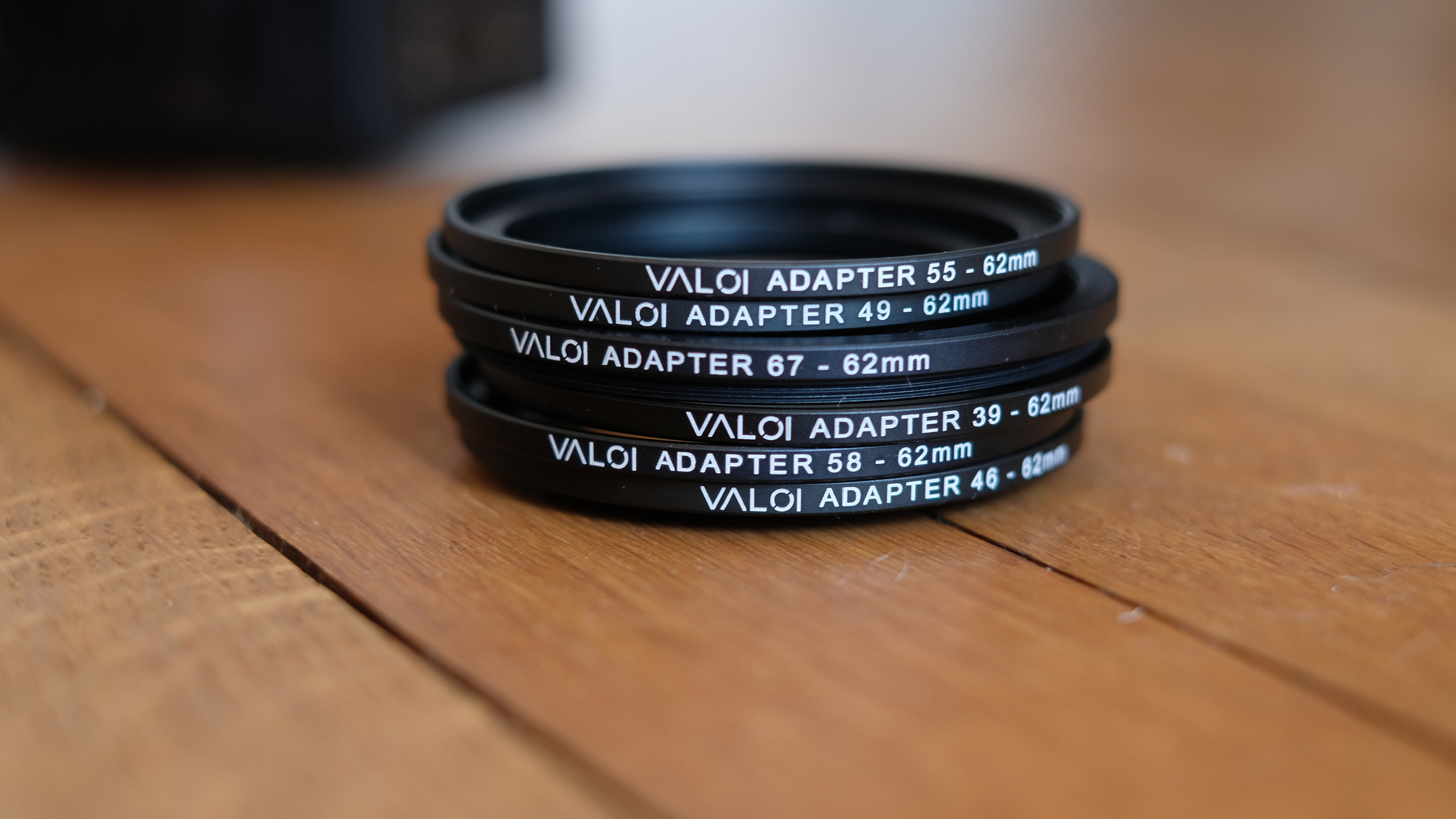
In terms of compatible lenses, the distance between your negative and the front of your lens must be less than 230mm. Valoi recommends that if you’re using a full-frame system, you’re best off with a lens with a focal length between 55mm and 105mm; for APS-C it is 40mm to 70mm; and for Micro Four Thirds, manufacturers recommend between 35mm and 60mm.
I used a Fujifilm X-T5 as, with its generous 40.2MP resolution, it would easily offer enough pixels to make the scanning process worthwhile. I paired it with the TTArtisan 40mm F2.8 — an affordable manual focus macro lens that is Valois’ budget recommendation for use with the scanner.
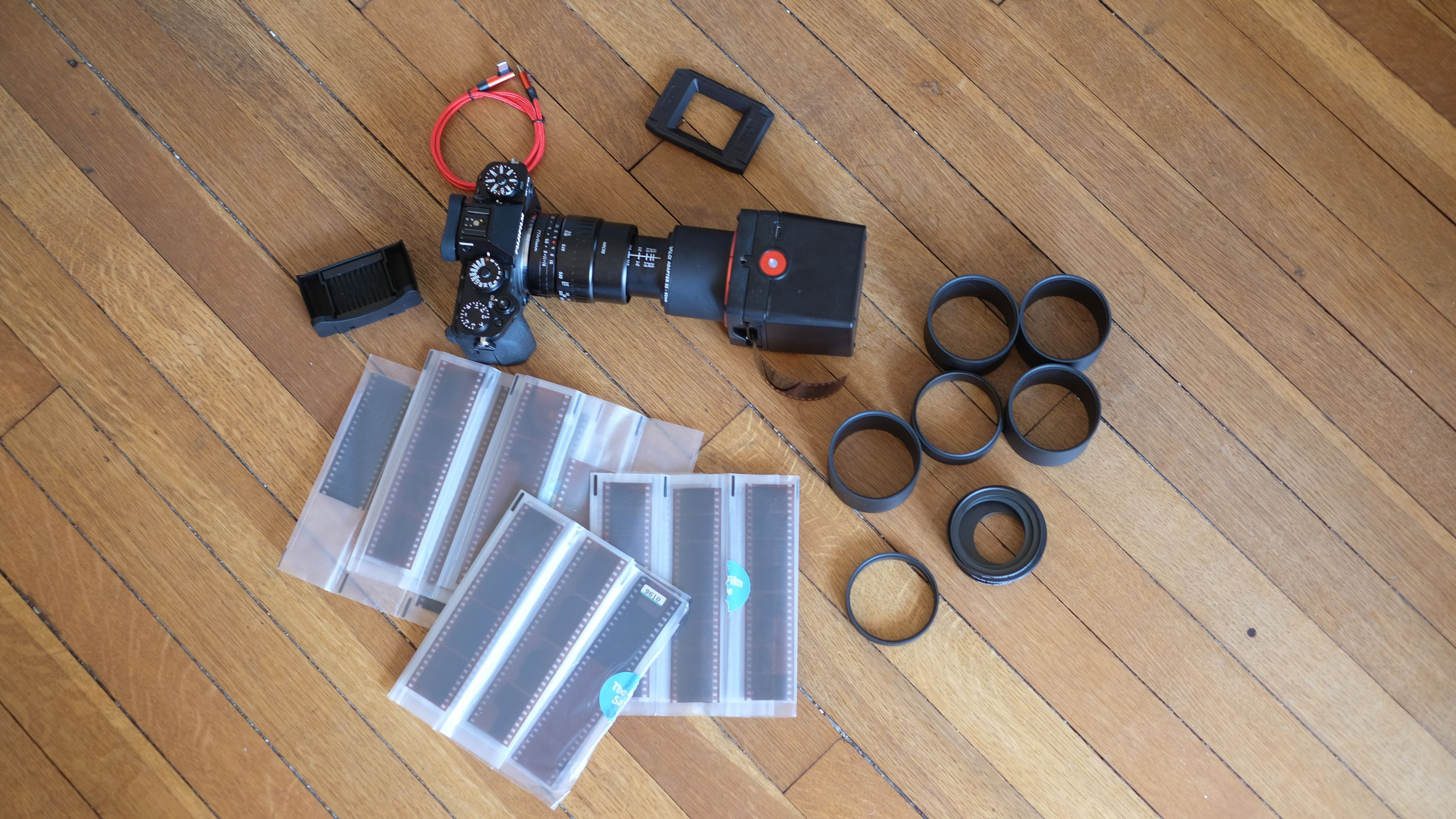
Fitting the parts together is simple enough – I only needed to use one adapter and extension tube, but depending on your lens you may need to stack several. The unit itself has one-button operation; you simply turn it on to activate the light (it’s battery powered and recharges via USB-C). Negatives are carefully placed in the holder on one side, passed through the scanner for your camera to snap before they come out the other side. You need to make sure the negative is properly focused – it helps to use a nice clear image with a well captured subject, ideally a person. And then you’re gone.
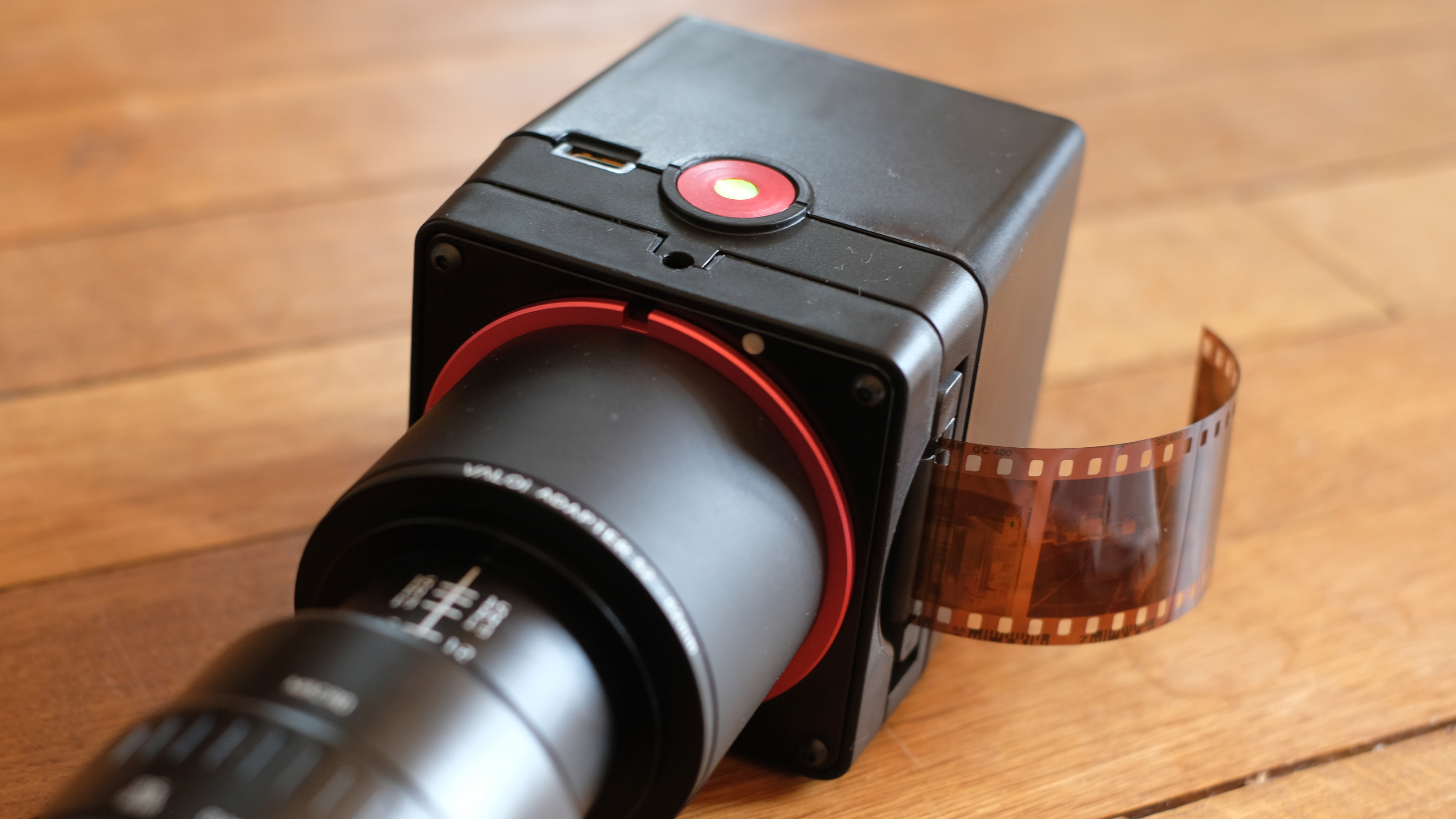
That’s when I started to get addicted. Look, I have a lot of negative things. Like, veryvery. And once the Easy 35 V2 is in place and your lens and camera are set up correctly, the scanning process is incredibly fast – feed, snap, feed, snap. You can scan entire rolls in minutes. I will say that on my first few attempts, a lot of my scans came out a bit skewed and I couldn’t quite figure out what I was doing wrong – but luckily I had enough latitude to crop and straighten without affecting the image too much.
Of course, once you get the digitized negatives, you still need to convert them. You have a number of options – it gives me no pleasure to say this as I’m on the record as an Adobe critic, but by far the fastest and best is to pair Lightroom Classic with the Negative Lab Pro plugin, the latter of which offers a free trial of 24 conversions and then costs a one-time price of $99. There are other options, but they tend to be either overly complicated (Darktable) or a bit too rudimentary (Lomography’s free online tool).
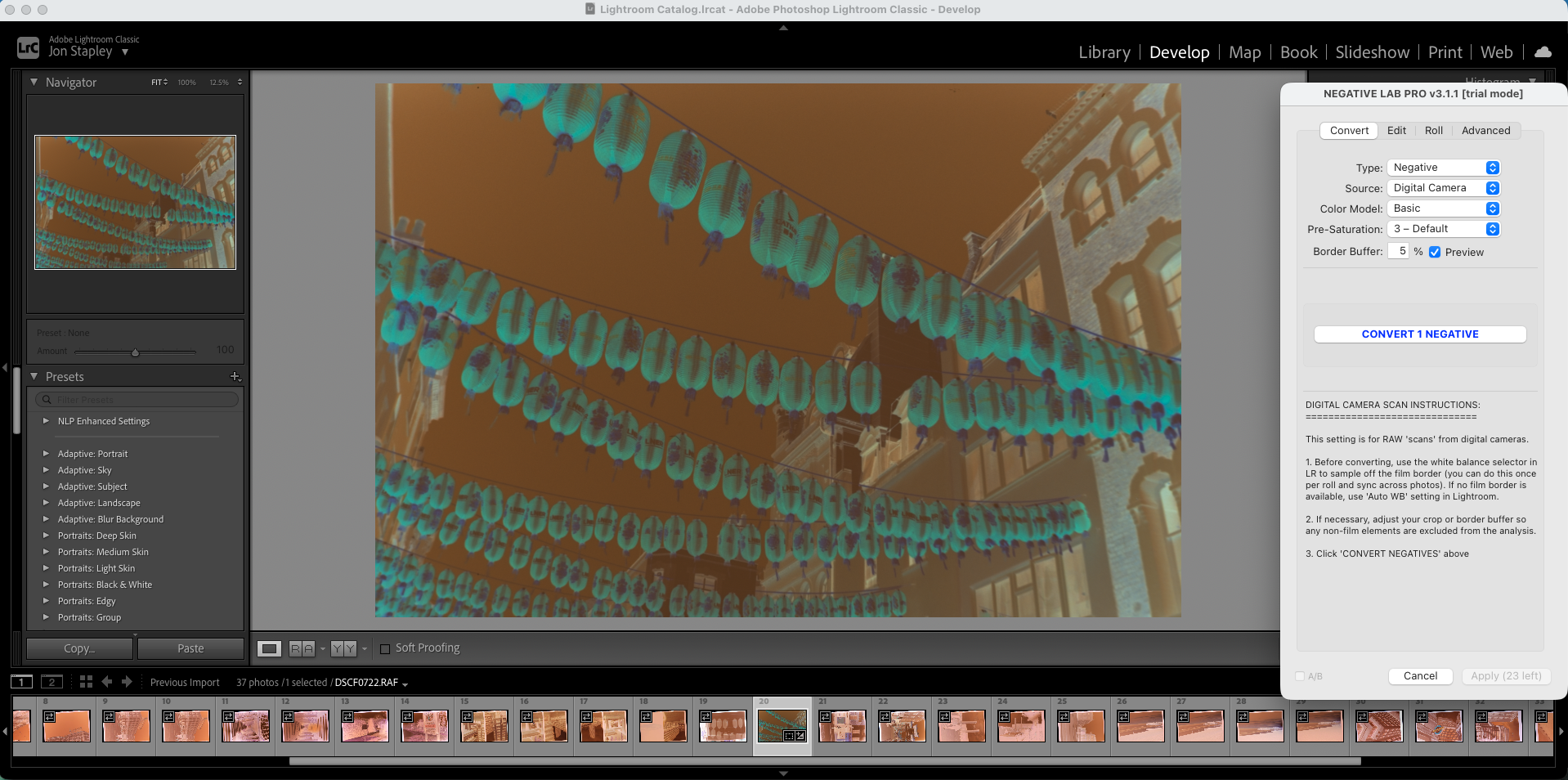
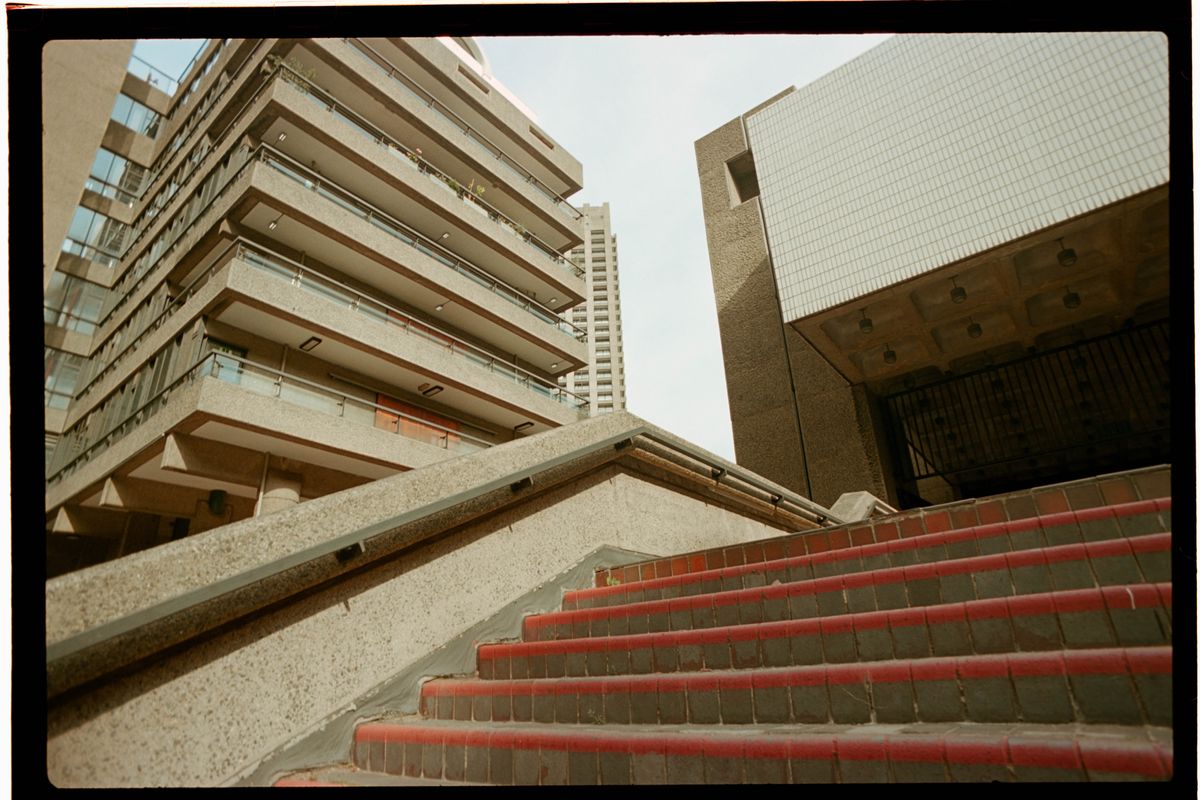
Negative Lab Pro takes the RAWs from your digitized negs (oh yeah, you really should shoot in RAW) and automates the conversion process in a single click. Once this is done, it provides an editing panel and you don’t have to be afraid to get stuck in and make the final image look the way you want it to by editing attributes like color temperature and hue to taste. If you don’t have the time or patience to adjust the sliders, NLP offers a few presets for a quick refresher – I found the ‘Kodak’ profile generally produced pleasing results from Kodak negatives, of course. You can see a few of my resulting scans below.
Picture 1 of 12











Valoi easy35 V2: Is it worth it?
I love this thing. I really love it. It was a pain to set up – I had to grab some pretty specific equipment and lay it all out on my floor for lack of a better work surface. It all feels a bit rustic and inelegant — for me, the camera and box didn’t sit straight when connected. I ended up wedging the spare film holder underneath to balance it, and was later amused when I watched a video on the Valois YouTube channel and they recommended doing exactly that.
However, the actual scanning process was incredibly fluid, easy and even fun. I could have fed my negatives through this thing for hours. I still can! And having this setup on standby at home would mean I’d never have to pay to have negs scanned again, which is a very tempting thought.
I don’t think it’s right to say that Valoi Easy35 V2 makes scanning accessible to the masses. The masses don’t all own sharp macro lenses with the correct filter thread size (you should have heard the noise I made when I realized the Fujifilm XF 30mm f2.8 R LM WR Macro wouldn’t fit, even with all the step-up adapters). But for those who have the capability, it makes negative scanning at home gratifying and fun, and on that note, I want to step away from my keyboard so I can scan some more.
With thanks to Wex photo video (UK) and Fujifilm who loaned some of the equipment used for this article.

Follow TechRadar on Google News and add us as a preferred source to get our expert news, reviews and opinions in your feeds.


