
- Chinese electric car manufacturers are looking for production facilities in Europe
- Plans involve the purchase or lease of vacant plants
- Experts warn of the long-term consequences
A number of China’s biggest automakers are scrambling for production capacity as they plan to make use of idle factories and team up with older automakers to bring cars to market faster.
This week, Leapmotor has announced that it will begin manufacturing its vehicles in Europe thanks to a partnership it has formed with the Stellantis Group.
The auto giant, which owns Jeep, Fiat and many more, took a 21% stake in Leapmotor in 2023, but now the Chinese company will help develop new models under the Opel brand and produce more Leapmotor models at the Stellantis plant in Villaverde, Madrid.

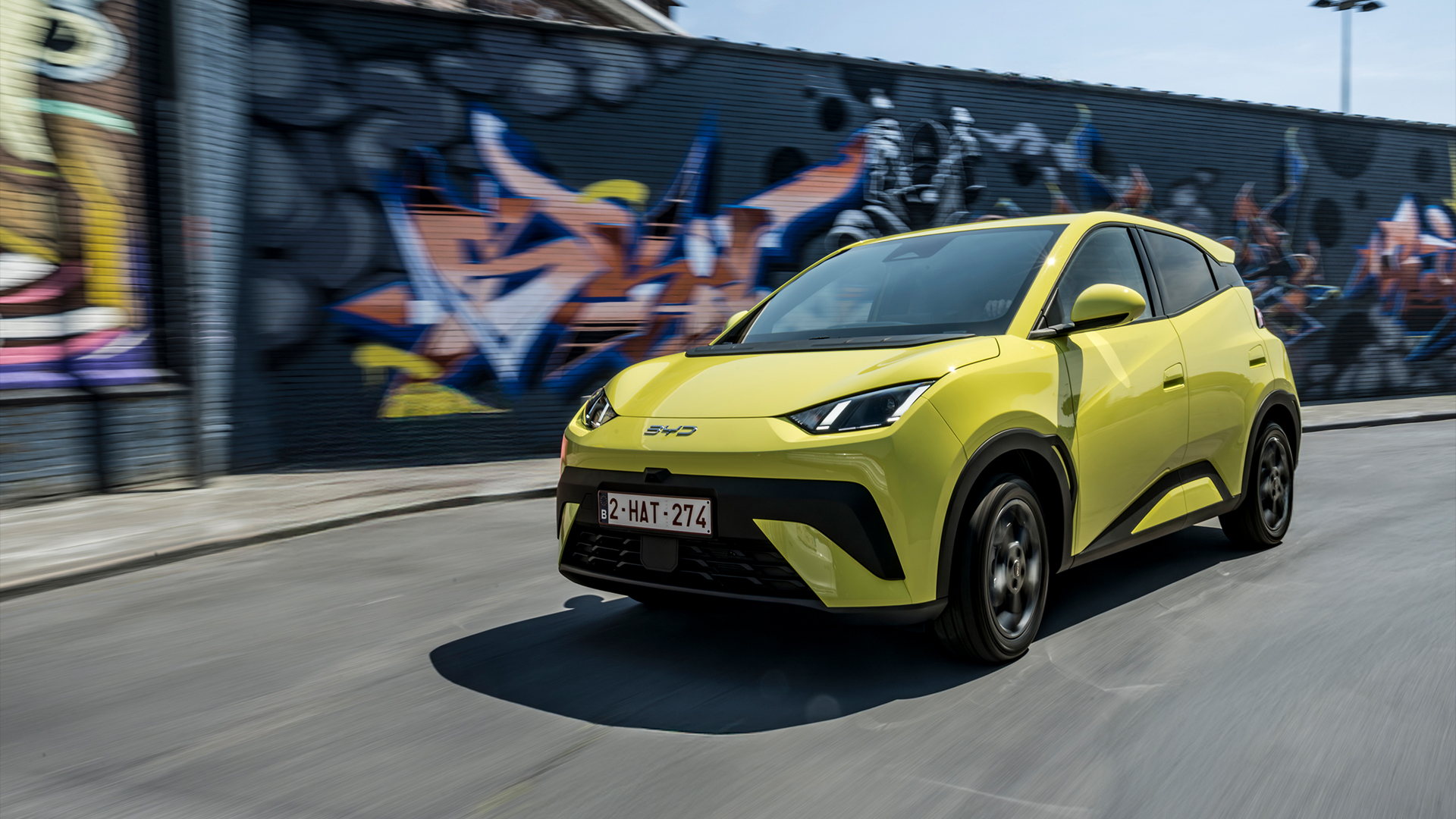
BYD, which was the fastest-growing major automaker and the biggest EV seller in Europe last year, is also expected to be in talks with Stellantis and other automakers to take over their EU factories as part of their international expansion efforts, Bloomberg News reported.
Despite building its own factory in Szeged, Hungary, which is due to open in 2027, BYD is also reportedly looking to source production capacity from former struggling brands in Europe, with Stella Li, BYD’s vice president in charge of international operations, citing the fact that Stellantis’ brand was “very luxury”.
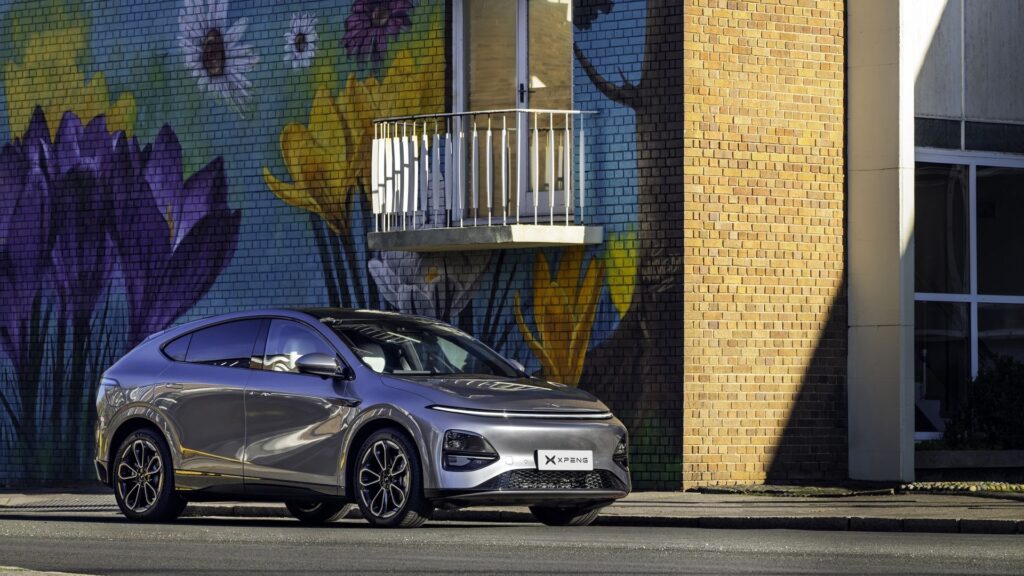
In addition, Xpeng is reported to be in talks with German automaker Volkswagen and other automakers to buy a factory in Europe, which would help it bring its range of Tesla-rival electric cars to European customers faster.
According to Business Day, Ellis Cheng, Xpeng’s managing director for North East Europe, told the Financial Times’ Future of the Car summit that not all European plants can “meet the demands of their latest or future product requirements”, adding that Volkswagen’s plants were a bit “old”.
Analysis: short-term gain for long-term pain
Many legacy automakers are eager to partner with Chinese EV brands, as they clearly have the lead in battery technology and software and can produce vehicles at extremely low costs using the latest manufacturing advances.
What’s more, the slow-burn demand for many Western electric vehicles has left manufacturers exposed, with some factories, many of which have been retooled and refreshed at great cost, currently running at a fraction of their capacity.
“In the short term, European automakers need to optimize their factories and Chinese automakers want to enter the market, so it makes sense. But I worry about what that actually means in the long term,” Julia Poliscanova, senior director of vehicles and e-mobility supply chains at campaign group Transport and Environment, told CNBC.
“Once they help the Chinese brands get that brand awareness, and once people get the car and see that it’s not such a bad car, I think it could be a point of no return,” Poliscanova added.
While a partnership offers the opportunity to develop cars together and share technologies, there is also a real risk that European automakers will lose their identity and fall further behind if the burgeoning Chinese brands gain a greater foothold in their home markets.

Follow TechRadar on Google News and add us as a preferred source to get our expert news, reviews and opinions in your feeds.


