NEWYou can now listen to Pakinomist articles!
After years of wrangling over how Congress could help leaders in college athletics curb some of the ongoing problems on the brink of chaos, we may actually be witnessing a compromise coming to the Senate floor soon.
As you have most likely seen, the ongoing debate about how to solve the problems that have arisen from the movement into a new era of college sports has led to disarray.
Whether it’s the transfer portal, the NIL, potential cuts to certain programs, or the ongoing discussions surrounding athletic departments having enough money to sustain themselves in this era, the overwhelming thought process centers around Congressional involvement.
EXCLUSIVE: WHITE HOUSE CONFIRMS COLLEGE SPORTS PANEL WITH PRESIDENT TRUMP, INCLUDING A-LIST PARTICIPANTS
While this is obviously easier said than done, there have been recent moves that suggest the SCORE Act could make it to the House floor next week, which is at least a step in the right direction.
The problem is that even if this passes the House, it is highly unlikely that Republicans and Democrats will agree on anything of this magnitude should it reach the Senate floor.
EXCLUSIVE: CLARK LEA SYGER COLLEGE FOOTBALL HAS TO SACRIFICE TRADITION FOR CFP EXPANSION
President Donald Trump shakes hands with Senator Ted Cruz at a Whataburger restaurant in Corpus Christi, Texas on February 27, 2026. (Mandel Ngan/AFP)
Committee created by Donald Trump will support legislation
Meanwhile, you’ve seen President Trump sign an executive order regarding college athletics, emphasizing the transfer portal, eligibility (five years to play five seasons) and the current structure of the NIL, among other points of emphasis.
Although Trump signed this order, it does not mean that this is something that must be complied with, with the president admitting that it would likely end up in a courtroom.
PRESIDENT TRUMP SIGNS EXECUTIVE ORDER MEASURING “ILLEGAL” ZERO PAYMENTS, SEEKS TO LIMIT NUMBER OF TRANSFER
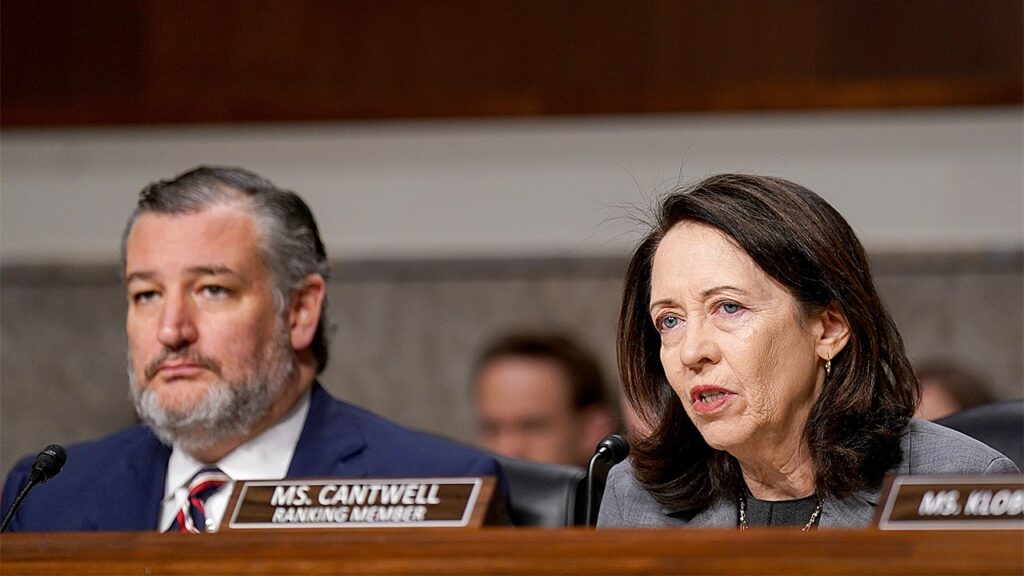
But over the past few months, Senators Ted Cruz (R-Texas) and Maria Cantwell (D-Washington) have been working on a bill that would be introduced in the Senate and that would actually have a chance of being pushed past the barriers that currently exist on both sides.
What could this actually look like when it was introduced? The final wording of the legislation will be published sometime next week.
That part still remains to be determined, but sources tell OutKick that this could unify both sides of the aisle if they can agree on how to adopt specific language centered around the number of transfers allowed without a penalty, how to circumvent the dreaded employment argument for college athletes, NIL structure and ways to prevent athletes from circumventing the eligibility guidelines put in place in the NCAA guidelines.
SCORE ACT FUMBLE: CONGRESS TRYING TO TACKLE ZERO CHAOS, BEING RUN BY LANE KIFFIN’S LSU PAYDAY
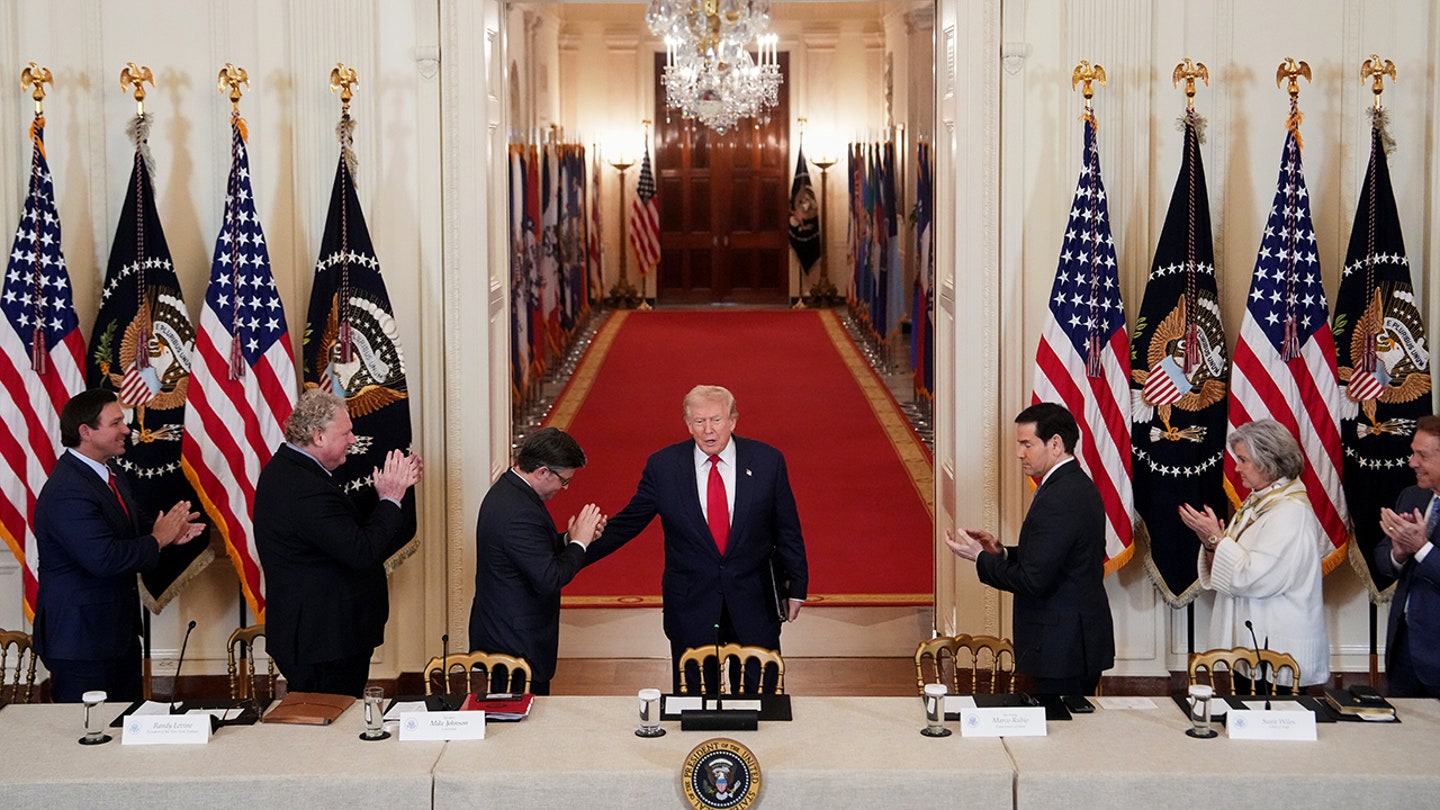
President Donald Trump greets Rep. Mike Johnson as he arrives for a roundtable discussion on college sports in the East Room of the White House in Washington, DC, March 6, 2026. (Julia Demaree Nikhinson/AP Photo)
Bi-partisan bills are the way to actually help current collegiate issues
In reality, if the government is going to help college athletics, this is the only way it will actually happen. Getting rules in place through this upcoming legislation is a win-win for both sides, especially if the overall revenue issues plaguing college athletics can at least be addressed.
According to sources familiar with the upcoming bipartisan legislation, a governing body would also be adopted to provide clear guidance on rules regarding the potential changes to come, with college administrators agreeing on how to enforce them. ‘
What type of regulations do they plan to address?
This part will include third-party NIL agreements currently being discussed across college athletics, along with actual enforcement of the revenue share cap that was approved through the House settlement. In addition, this legislation could provide executives with protection from state laws regarding NIL, which has led to lawsuits and a host of disputes.
GREG SANKEY NEEDS ANSWERS FROM NCAA, WHILE SCORE ACT SHOULD BE MAIN FOCUS, NOT MEDIA RIGHTS
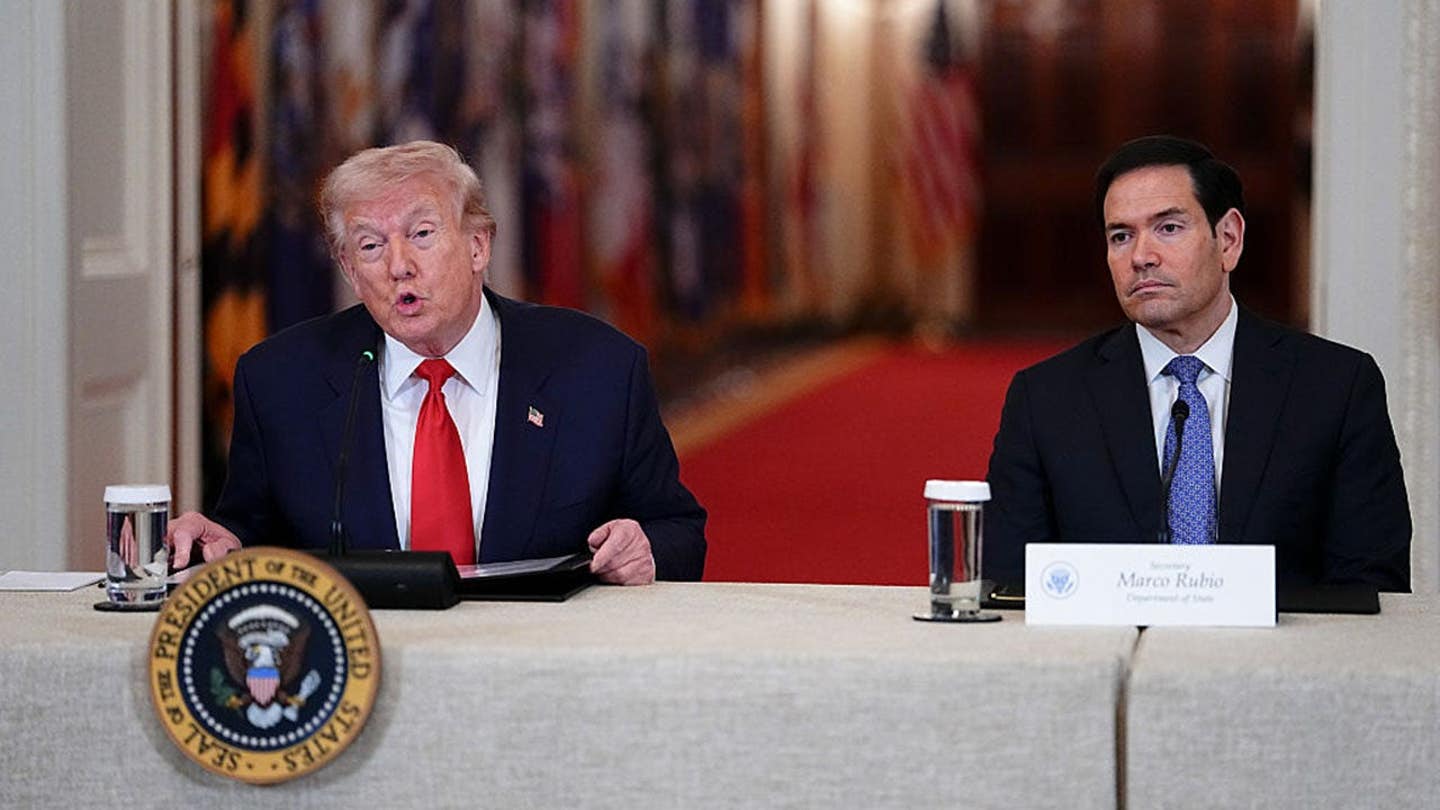
President Donald Trump and Secretary of State Marco Rubio attend a “Saving College Sports” roundtable in the East Room of the White House in Washington, DC, March 6, 2026. The new council is expected to discuss a potential antitrust exemption related to college sports. (Aaron Schwartz/Bloomberg via Getty Images)
Essentially, Senators Ted Cruz and Maria Cantwell, with the advice and guidance of the President’s Committee to Save College Athletics, have put together a bill that includes the current issues raised by athletic directors and commissioners, giving this a real chance to pass through Congress.
Sure, it won’t be easy, but it feels like the only solution that can actually last. Arguments will be made against it because it wouldn’t be a political maneuver without some form of pushback.
But we are now at a point where time is not on the side of congressional leaders hoping to pass anything substantial that will actually help solve the current problems. The midterm elections are fast approaching, along with a congressional recess, so if a bill is going to make it to the Senate floor, now is the time.
CLICK HERE TO DOWNLOAD THE Pakinomist APP
Can both sides actually agree on something that will help college athletics?
We’re figuring it out.