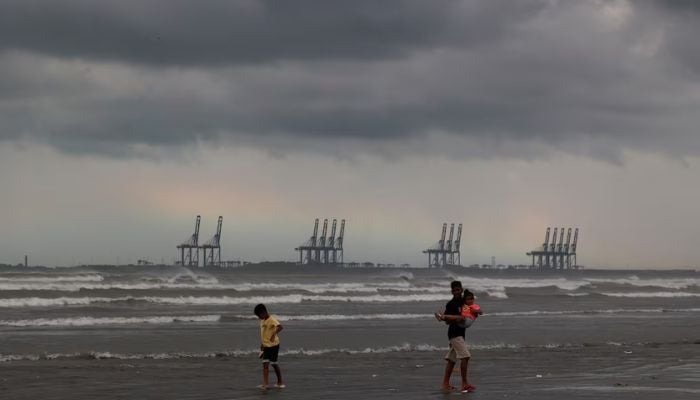
KARACHI: Humid weather and partly cloudy skies are expected to continue in Karachi during the next 24 hours, Pakistan Meteorological Department (PMD) said on Saturday.
The metrological department said that light drizzle is possible at some places during the morning and night.
The PMD predicts a maximum temperature of 34°C to 36°C. The minimum temperature was recorded at 29°C while the humidity was 78%. The sea breeze blew at a speed of 15 kilometers per hour.
Meanwhile, clear skies prevailed in Peshawar, where the temperature is expected to rise to 41°C.
In Khyber Pakhtunkhwa, rain is expected in most upper districts during the next 24 hours, according to the PMD. Warm weather is forecast on the province’s plains. Peshawar’s minimum temperature was recorded at 26°C and humidity at 43%.
The cities’ forecast comes during a month when PMD expects above-normal average temperatures nationwide. The department said the probability of warmer than normal conditions was particularly high in the southern regions stretching from eastern Balochistan and western Sindh to central Punjab.
The PMD data for May showed that Sindh received 0.3 millimeters of rainfall, 91.3% below the 1991-2020 normal of 3.1 millimeters. The province’s mean temperature was 35.2°C or 1.0°C above normal.
For June, the department expects almost normal to slightly below normal rainfall across the country. Its probabilistic outlook said near-normal rainfall probabilities dominate across southern regions, including large parts of Sindh, although rainfall may vary considerably from place to place.
In its monthly outlook, the PMD said above-normal temperatures could increase the potential for heat surges and prolonged heatwave conditions, particularly across the general areas of Sindh, Punjab and Balochistan.
Below-normal precipitation may make prolonged heat-like conditions more likely in these regions.
The department also said isolated heavy downpours could still trigger localized urban flooding in major cities, particularly in poorly drained and low-lying areas, despite below-normal rainfall.