NEWYou can now listen to Pakinomist articles!
The grandson of boxing legend and American civil rights icon Muhammad Ali sent a message to UFC founder Dana White as White leads a controversial revival of a law named after Ali.
The Muhammad Ali American Boxing Revival Act of 2026, an overhaul of a law passed in 2000, has drawn attention as White and the TKO Group push deeper into boxing through Zuffa Boxing. The bill would allow new “Unified Boxing Organizations,” or UBOs, to sign fighters, promote fights, create rankings and award titles under one system. The Congressional Budget Office says the bill would allow UBOs to contract with boxers, promote fights and run rankings and titles.
CLICK HERE FOR MORE SPORTS COVERAGE ON Pakinomist
Nico Ali Walsh walks off the stage after defeating Reyes Sanchez in their four-round fight at Pechanga Arena in San Diego, California on August 20, 2022. (Michael Owens/Getty Images)
Walsh, as the grandson of the person the bill would be named after, wants to talk to White about it.
“My direct and respectful message to Dana White: We know what my grandfather’s legacy means to this sport, and we both know that as this bill stands, it shouldn’t have his name on it. I respect everything you’ve done with the UFC,” Walsh said.
“We both live in Vegas and I’m asking you, let’s take a seat, public or private, you choose. Let’s discuss the Ali Law, fighter protection and what’s really best for us fighters. Let’s do this for the sport we both love.”
Born to Muhammad’s daughter, Rasheda Ali, Nico has stepped into the ring to carry on the Ali family’s boxing legacy. He is also the nephew of undefeated former boxing champion Laila Ali.
The original Muhammad Ali Boxing Reform Act became law in 2000 and was co-sponsored by John McCain. It was designed to combat unfair and anti-competitive practices in boxing. It also created a firewall between promoters and managers. Under current law, a promoter cannot have a direct or indirect financial interest in a boxer’s management, and a manager cannot have a financial interest in a boxer’s promotion.
Walsh argues that the new bill weakens that firewall. He says it could let one organization act as promoter, matchmaker, ranking body and title system all at once.
“That’s what the current Muhammad Ali Act protects from happening in boxing,” Walsh said.
The new bill is twofold. Co-sponsored by Representatives Brian Jack (R-GA) and Sharice Davids (D-KS), it has overwhelmingly passed the House of Representatives with cross-party support from both Republicans and Democrats. It was referred to the Senate Commerce Committee on March 25.
DANA WHITE’S BOXING OUTFIT MAKES SPLASH CONOR BENN SIGN IN LAS VEGAS MID WRESTLEMANIA WEEK
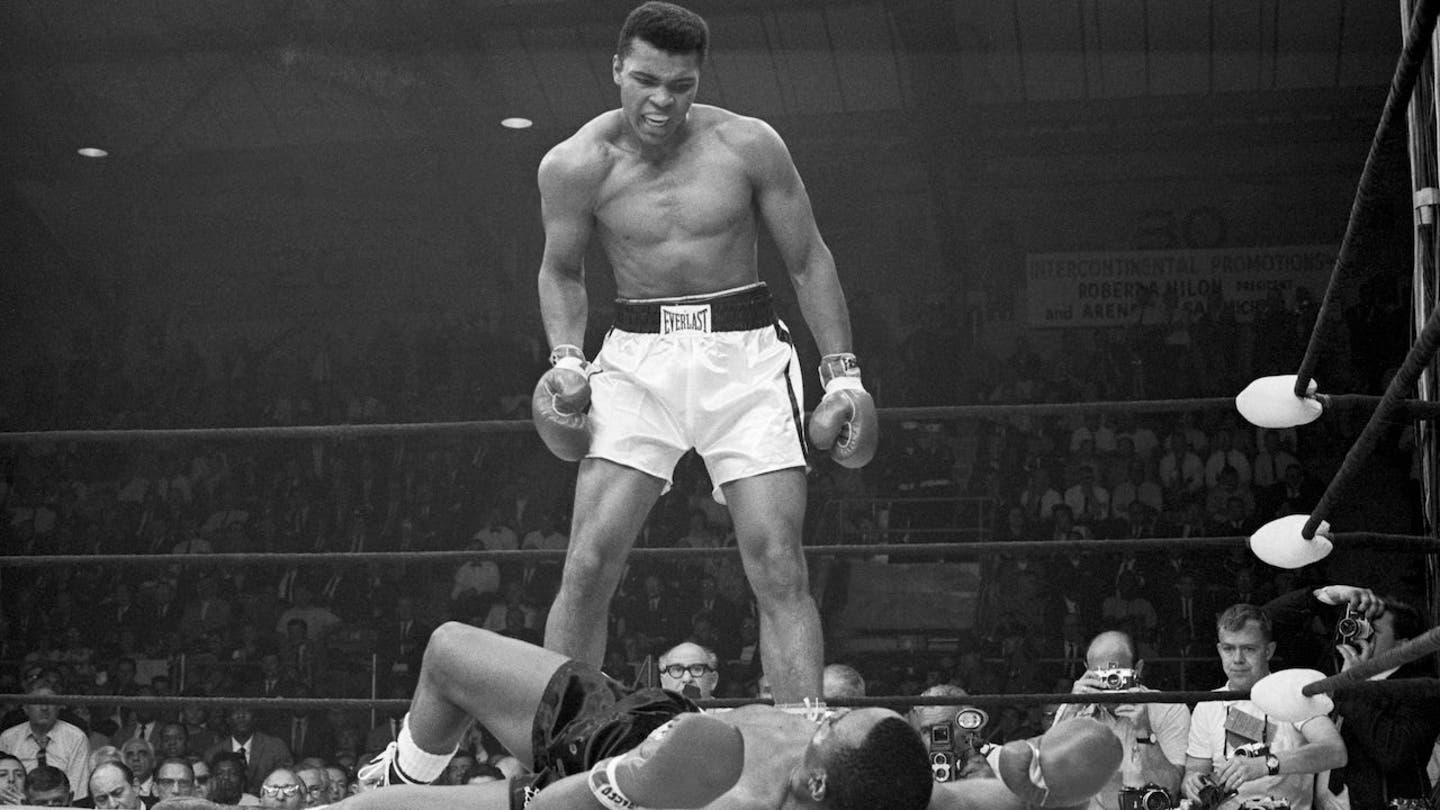
Heavyweight champion Muhammad Ali stands over Sonny Liston and mocks him for standing up during their title fight at the Central Maine Youth Center in Lewiston, Maine. Ali knocked Liston out in one minute in the first round. (Getty Images)
Another critic of the bill is promoter Oscar De La Hoya, who argues that this new framework undermines the core of the original 2000 Ali Act and could result in near-monopolies of the sport.
Still, even Walsh believes there are some details in the original law that could be updated now that 26 years have passed.
“A lot of things could be updated. The bill, the original Ali Act, was done in the early 2000s. It’s obviously been more than 20 years, so things can be refreshed, renewed. One of the biggest things is the health benefits. So the Revival Act pushes some health benefits. That’s great for us fighters, but the health benefits stop the big benefits. rights that are taken away from the fighters on the back end.”
Supporters of the Revival Act say the bill will modernize boxing. The bill includes new safety and business rules for UBOs, and its stated purpose is to “further improve the well-being of professional boxers.”
As the bill comes under further sporting and political debate in the coming months, Walsh also wants to send a message to fellow fighters to spread awareness about this issue and speak up.
CLICK HERE TO DOWNLOAD THE Pakinomist APP
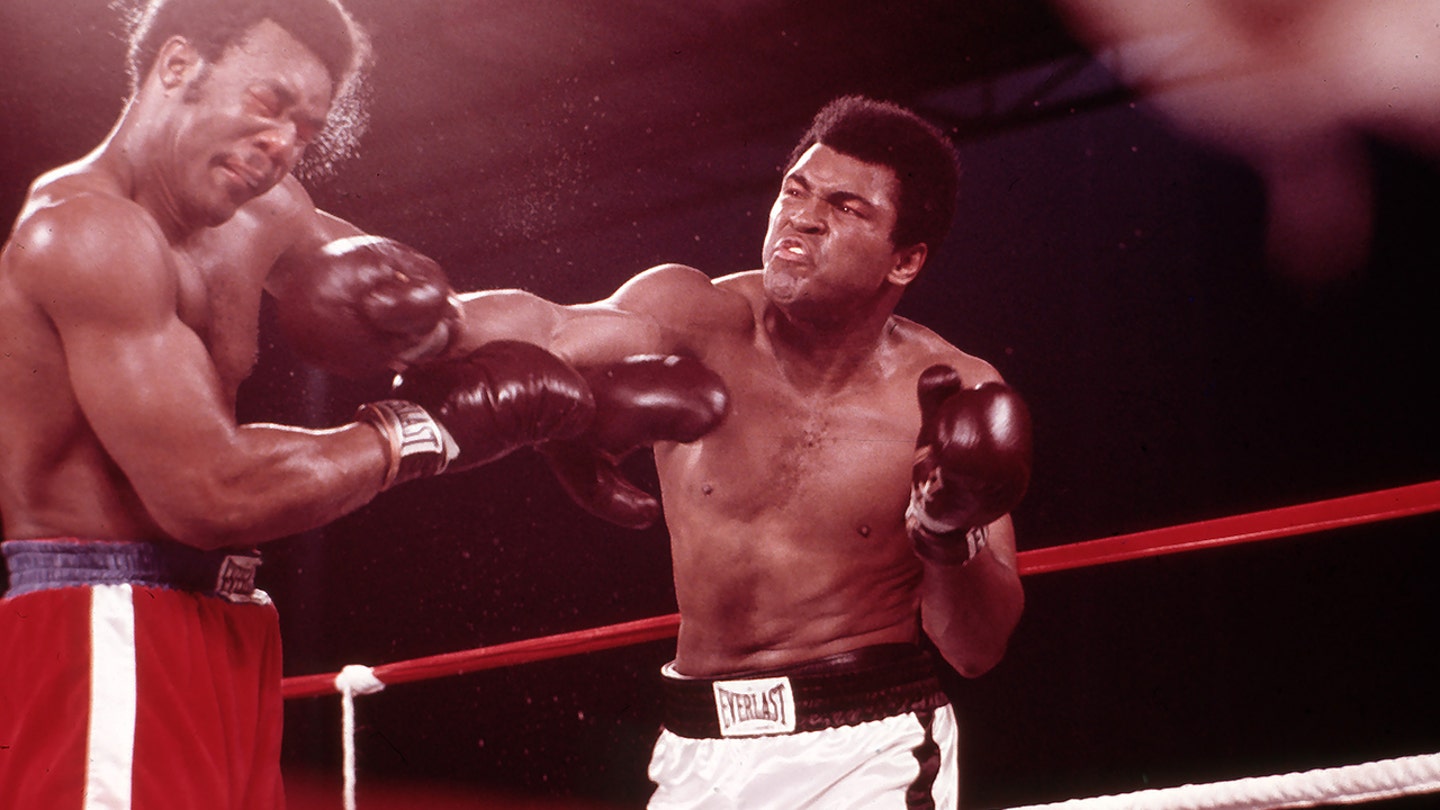
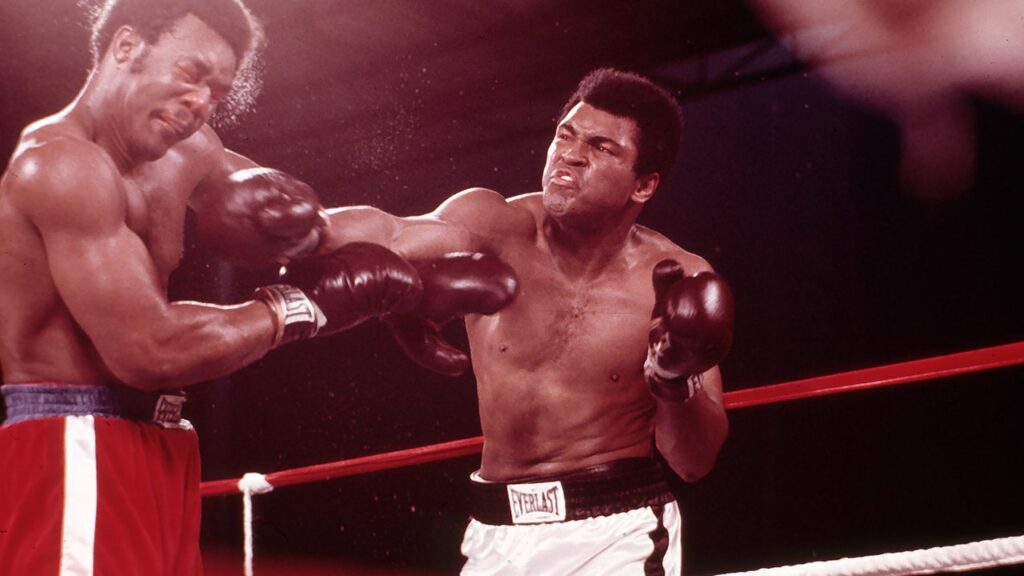
George Foreman and Muhammad Ali box at the Stade du 20 Mai in Kinshasa, Zaire, during the Rumble in the Jungle on October 30, 1974. (Ken Regan/Disney General Entertainment Content via Getty Images)
His bigger concern is that many fighters and fans don’t know what the Ali Law does. He said people often hear both sides of the debate but don’t know what’s at stake.
“You have to know your rights as a fighter,” Walsh said.
Pakinomist Digital has reached out to the UFC for a response.