- Clade 1b strain was first reported in Congo.
- The strain is dense globally due to high dispersal ability.
- Health experts say clade 1b differs from previous strains.
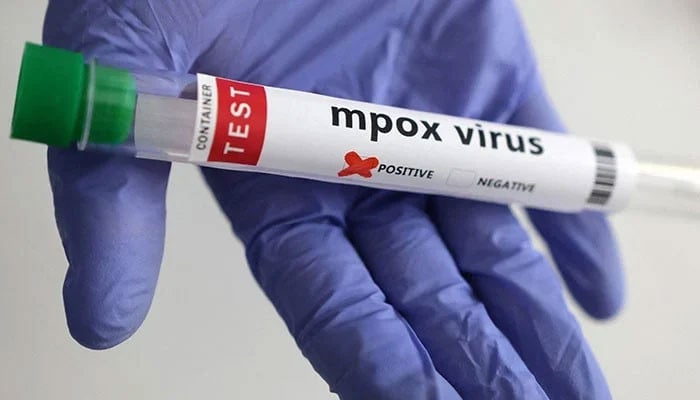
Federal and provincial health authorities have confirmed the presence of the mpox clade 1b variant in Sindh and southern Punjab, which is reportedly a more transmissible and potentially serious strain, The news reported.
Citing laboratory findings, officials said genetic sequencing of samples collected in Khairpur was carried out at Dow University of Health Sciences, Karachi, confirming the presence of clade 1b, a sub-lineage of clade I of the mpox virus.
“Clade 1b is considered more virulent and is associated with persistent human-to-human transmission through close contact,” a health ministry official said, adding that the strain was first reported in Congo and is being closely monitored internationally due to its outbreak potential.
According to health officials, Sindh has reported over two dozen suspected and confirmed mpox cases, with Khairpur accounting for the majority of infections. At least nine deaths related to the outbreak have been reported in the province.
Overall, more than two dozen confirmed cases have been documented nationwide, with additional suspected infections under investigation in southern Punjab, particularly in Rahim Yar Khan and the adjacent districts, indicating possible local transmission across regions.
Health experts believe the actual number of infections could be higher, citing gaps in surveillance and the need for expanded testing in affected areas. Public health experts say clade 1b differs from previously reported strains because of its higher transmissibility and possible increased severity, especially among vulnerable populations, including children and people with weakened immune systems.
Mpox is a viral disease that spreads through close physical contact with infected individuals, contaminated materials or respiratory droplets during prolonged interaction. Symptoms typically include fever, rash and swollen lymph nodes, but in severe cases complications can lead to death.
Health authorities have recommended early detection, isolation of suspected cases, and strict adherence to infection prevention and control measures in healthcare settings to limit further spread.
Officials said coordination between provincial and federal health authorities is underway to strengthen surveillance, ensure timely diagnosis and deal with suspected and confirmed cases in the affected areas.