
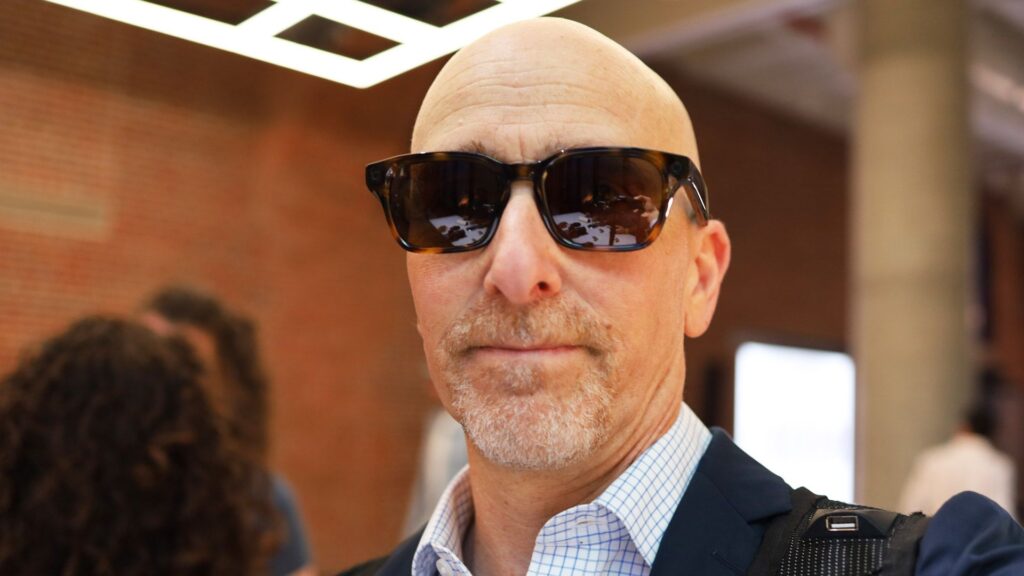
- Meta Unveils $299 / £269 / AU$599 Smart Glasses (Meta Glasses) Designed with EssilorLuxottica
- They match Ray-Ban Meta AI glasses in almost every function
- They add adjustable nose pieces and a lot of design and color choices
“It’s pretty easy to make glasses that don’t look good, it turns out,” laughed Meta CTO and Head of Reality Labs, Andrew ‘Boz’ Bosworth, shortly after unveiling a bumper crop of new Meta glasses, simply called Meta Glasses, all made in collaboration with EssilorLuxottica.
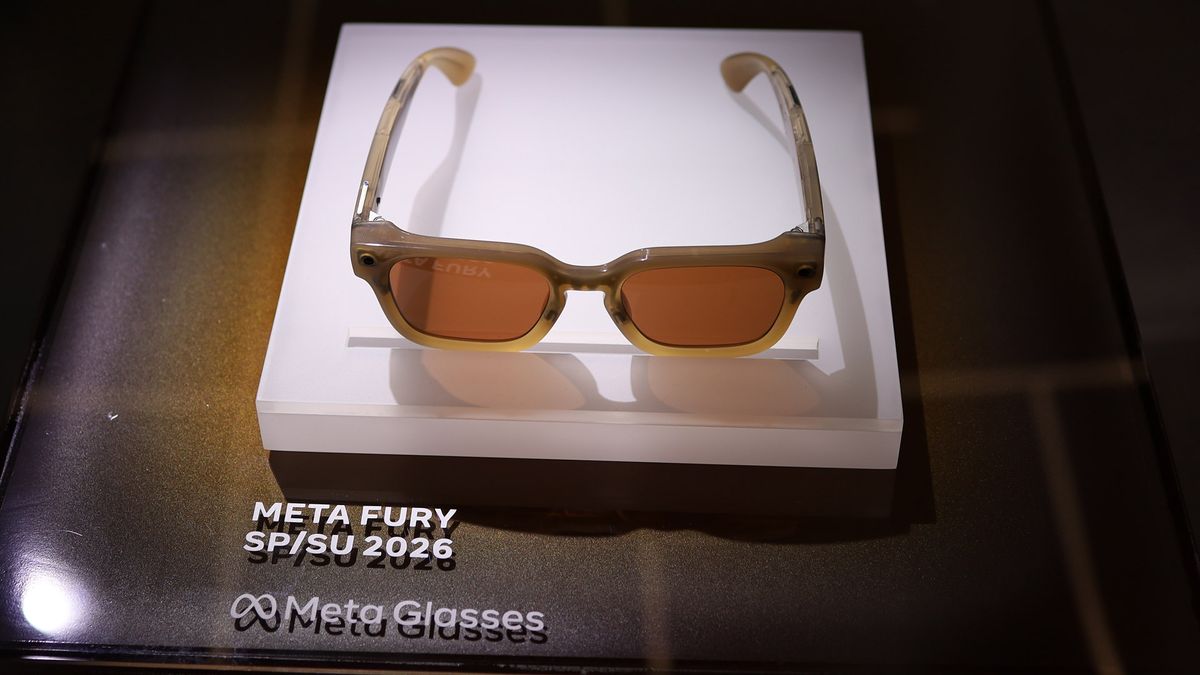
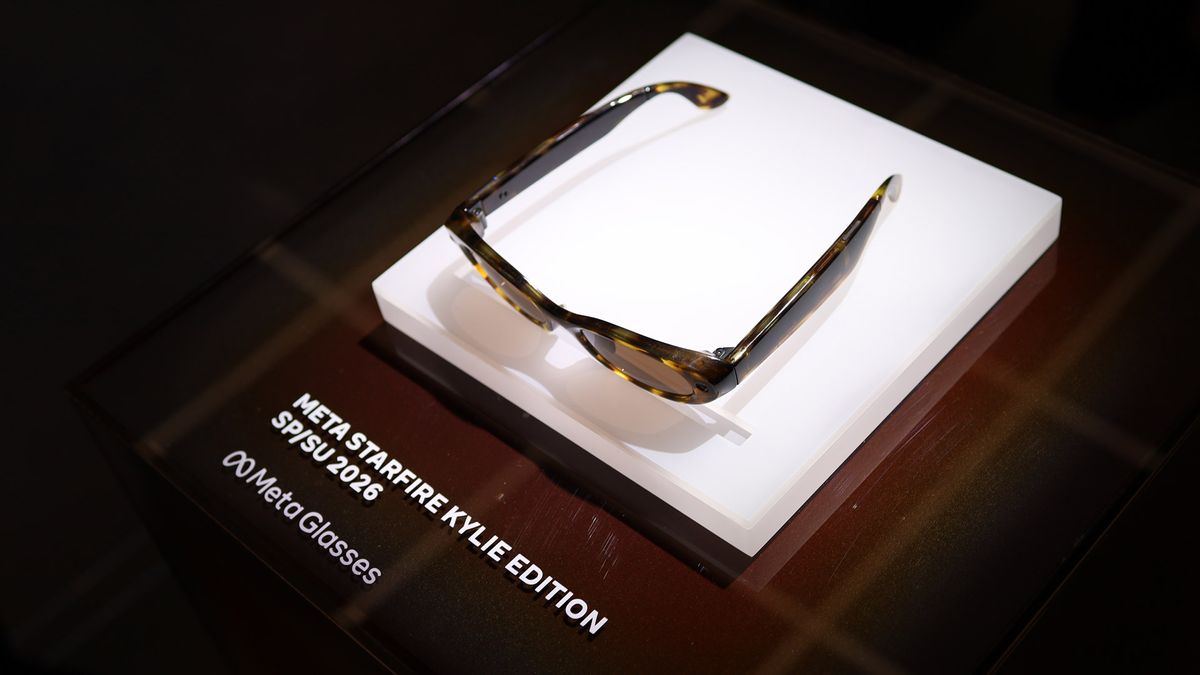
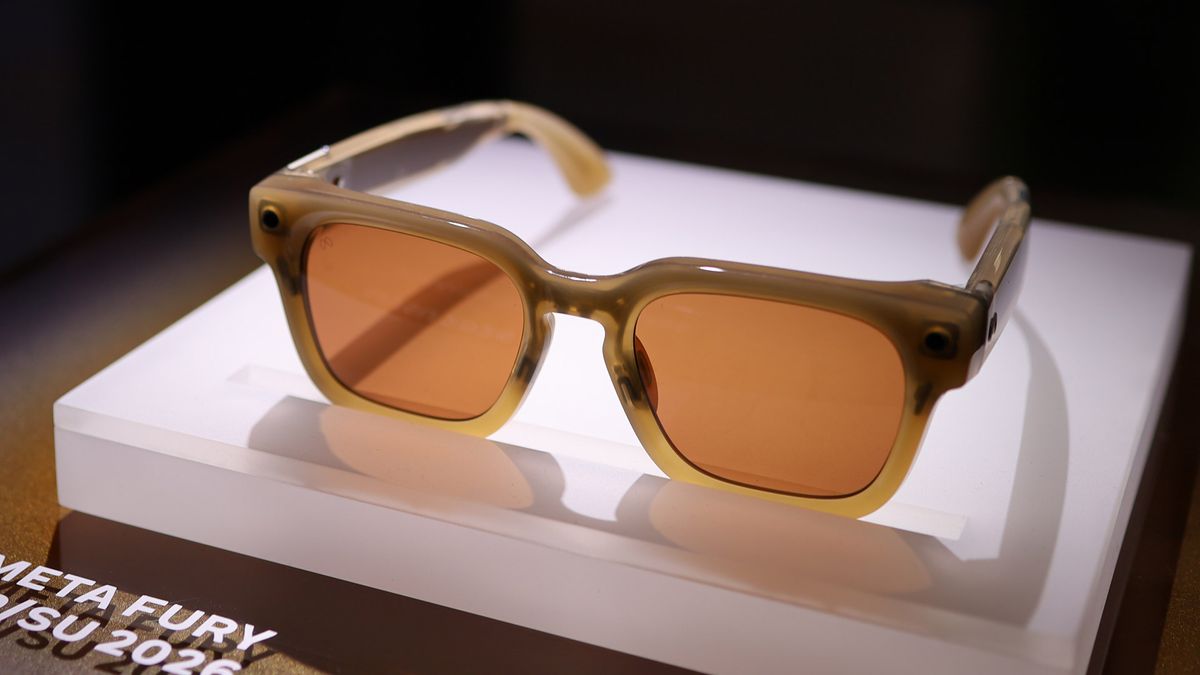
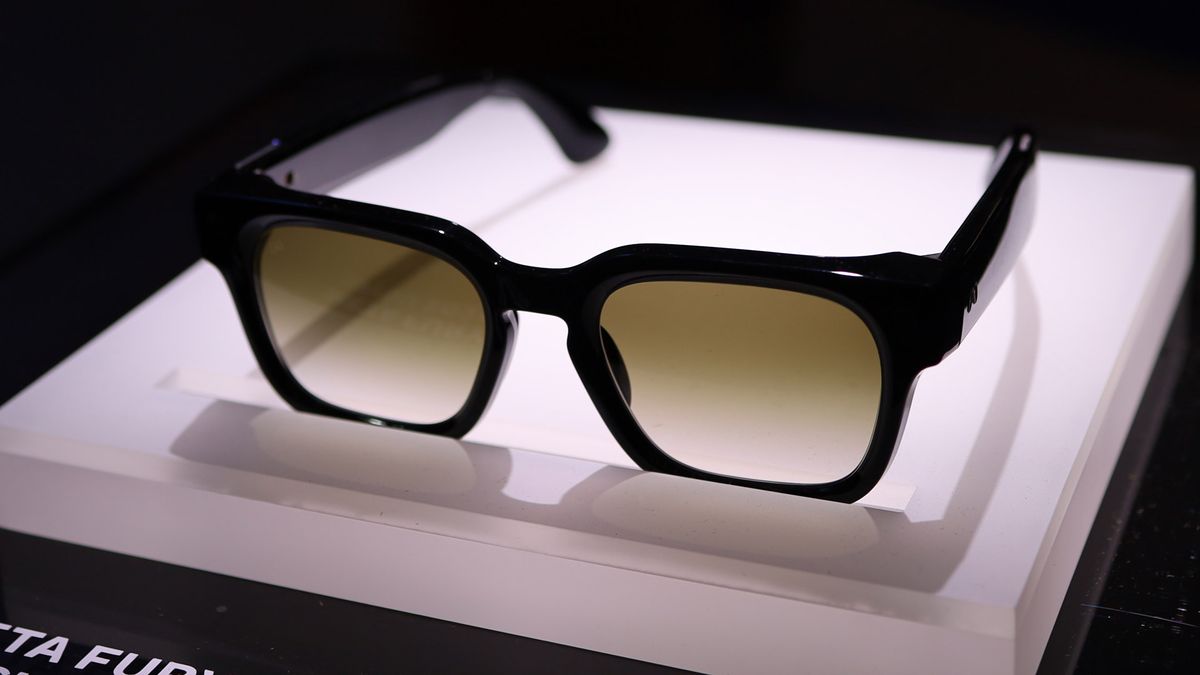
Bosworth says the team is wrangling “every gram, every quarter of a millimeter” in an effort to bring ever-lighter, ever-more comfortable and ever-more-fashionable AI glasses to market. With this attempt to make frames with a slightly lesser known brand than Ray-Ban, Meta brings the new frames – Adventurer, Fury and Starfire Kylie [Jenner] Edition — to market at a somewhat surprising price: $299 / £269 / AU$599 (prescriptions not included).
No size or style fits all when it comes to eyewear, Ankit Brahmbhatt, Meta’s Senior Director of Product for AI eyewear, told me as he walked me through some of the new frames. There are, he added, eight colors and 26 different style options.

Picture 1 of 6
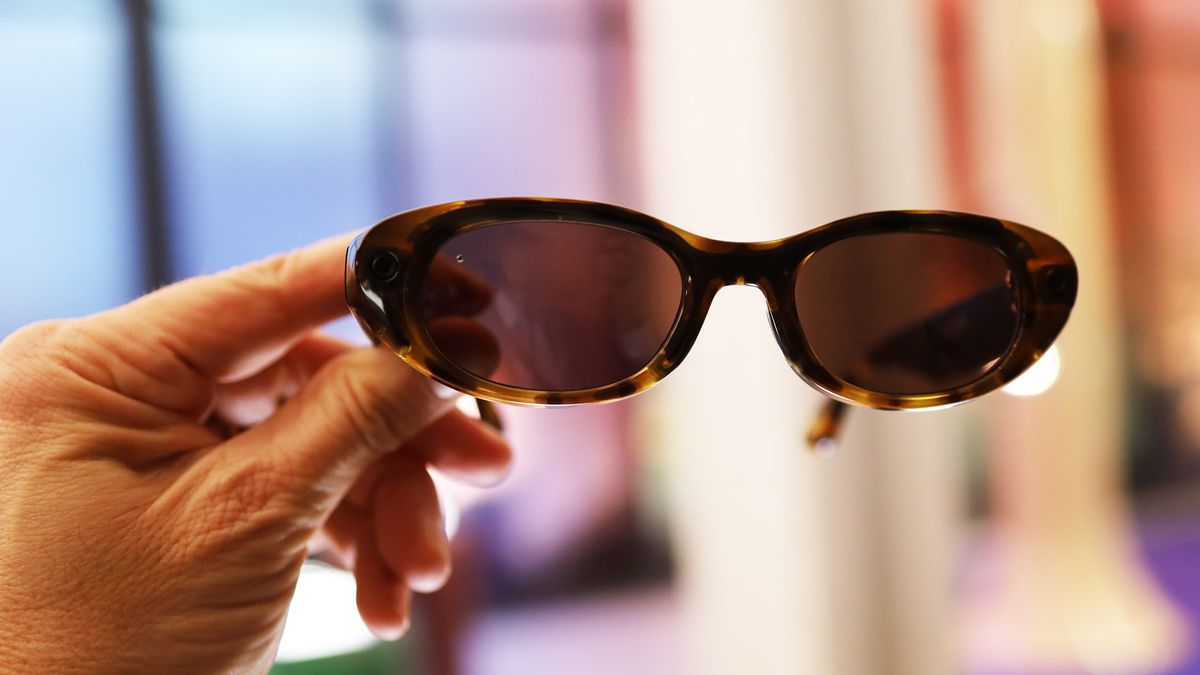
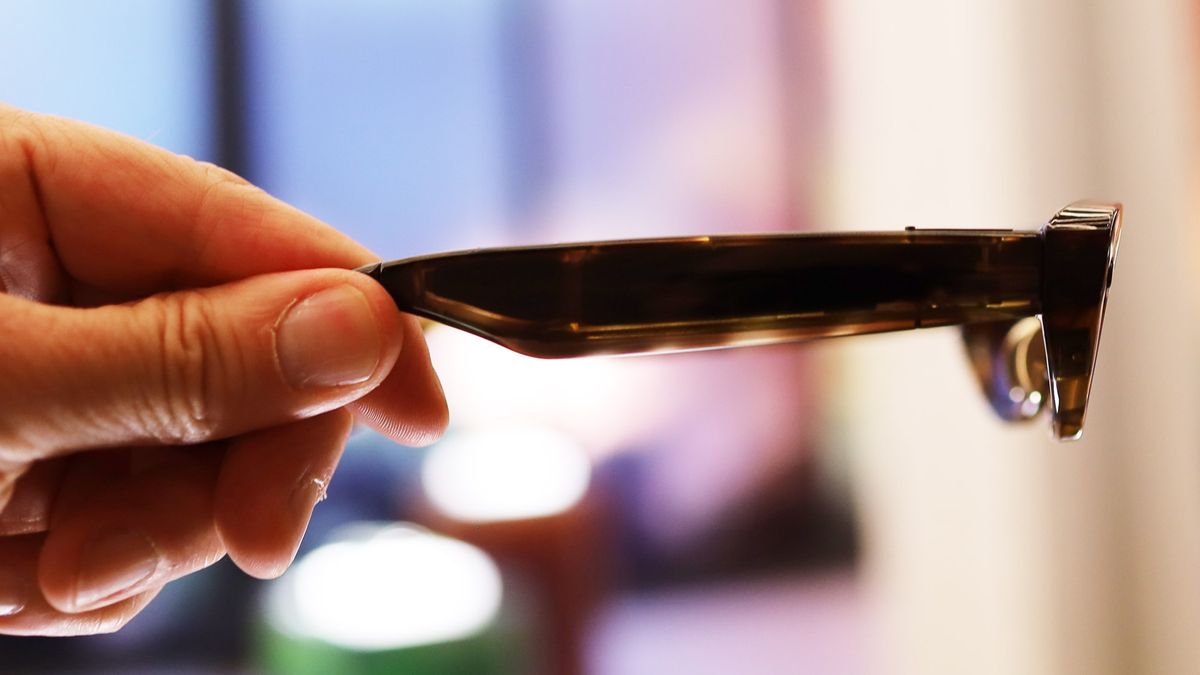
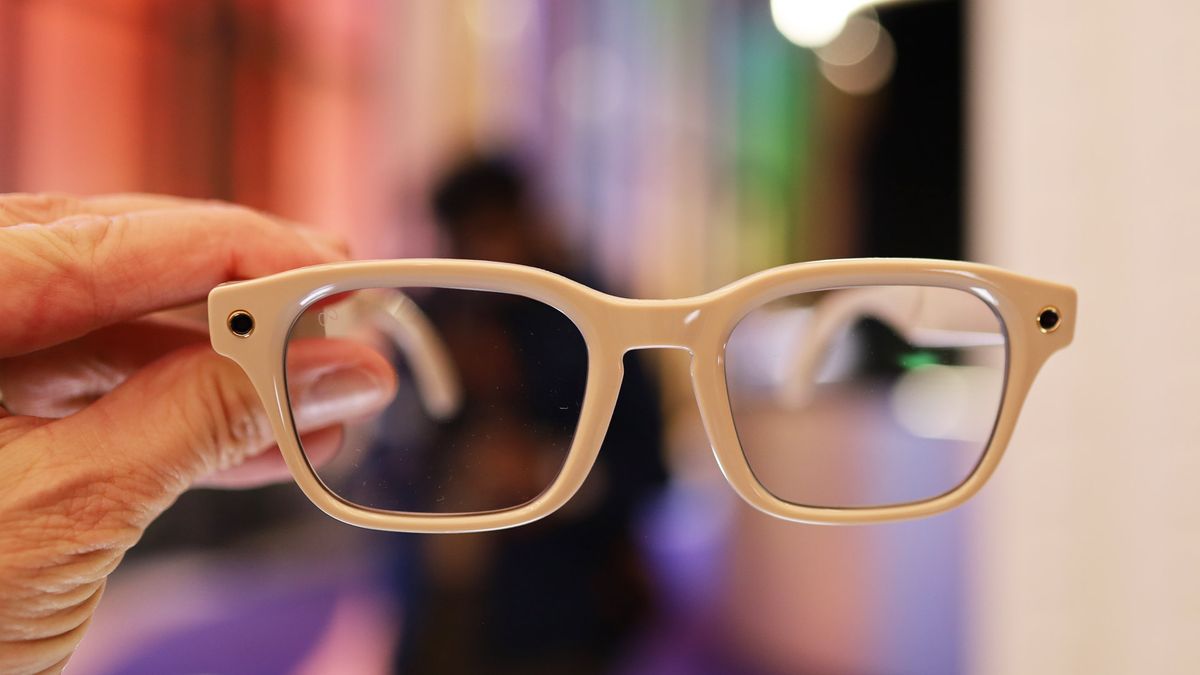
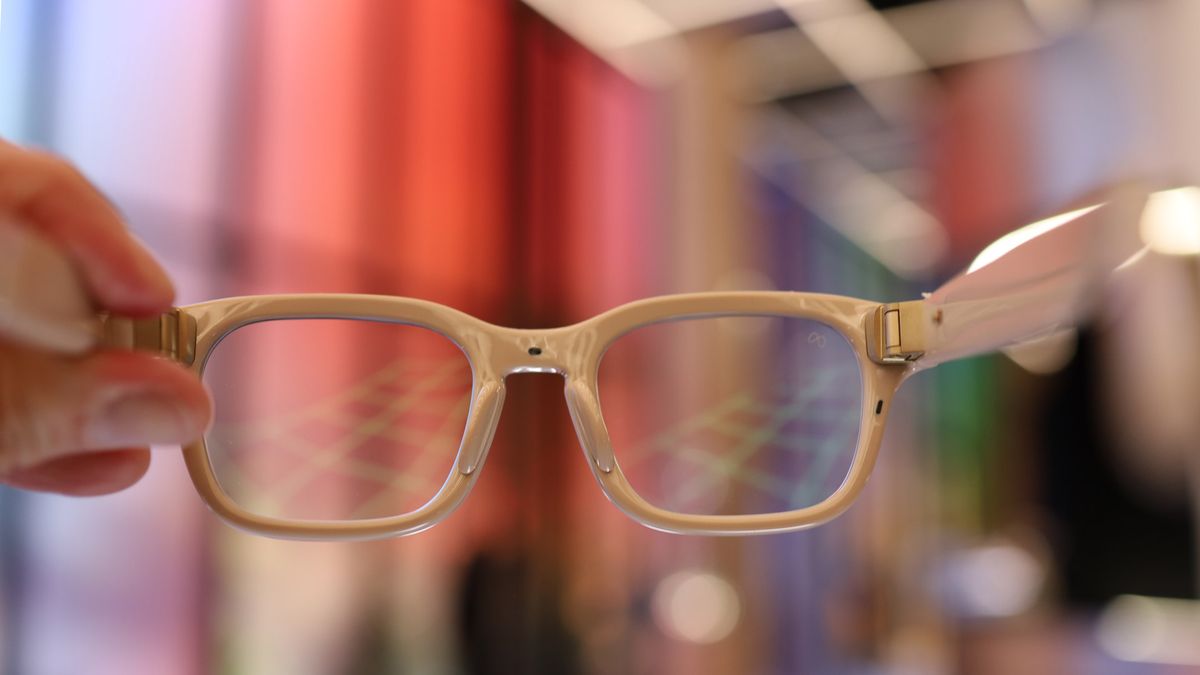
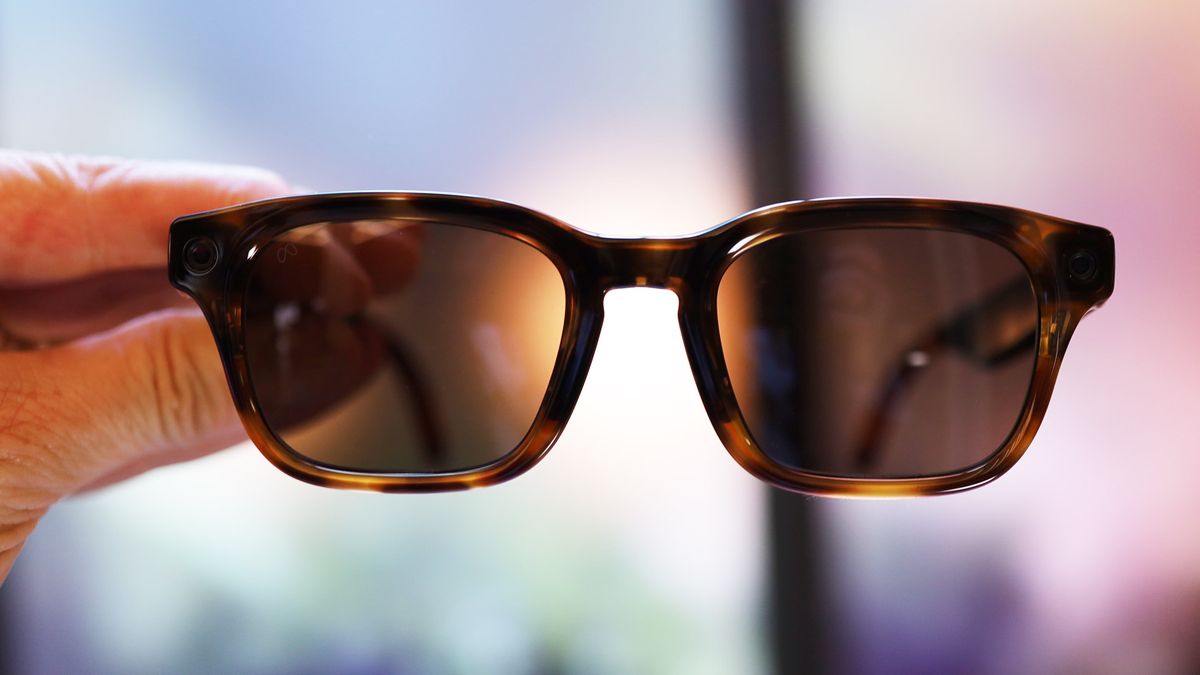
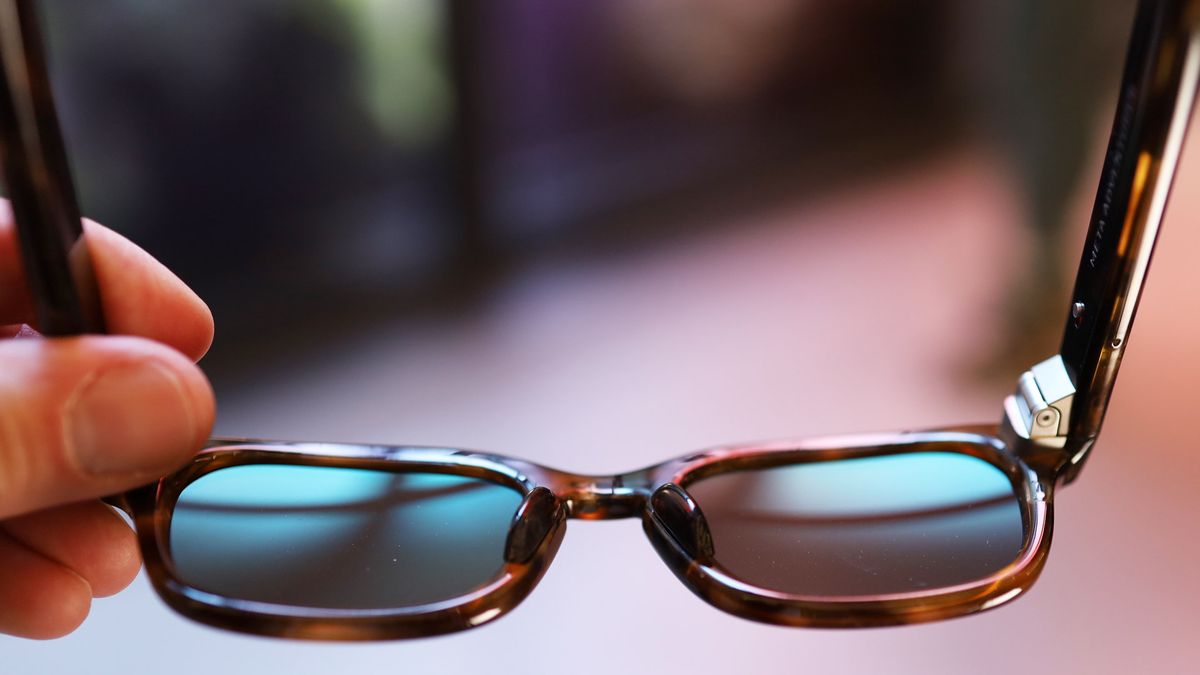
Ogling the style choices
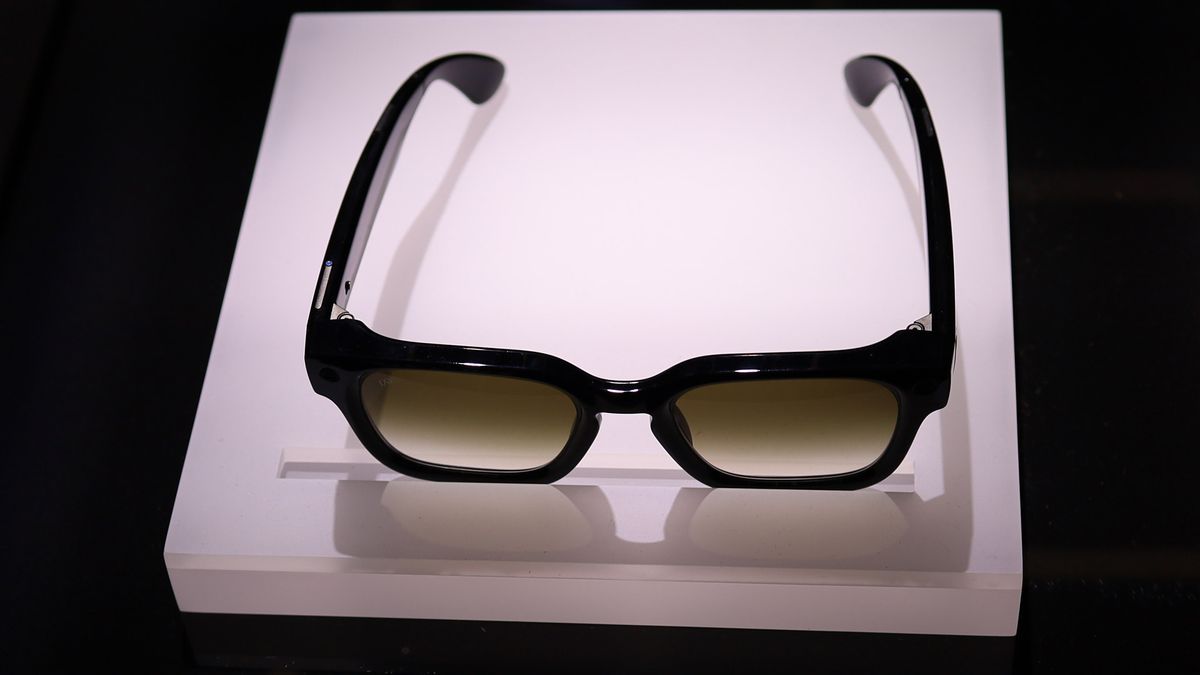
Looking around the room at the event space in Manhattan, I saw black, something like ivory, tortoise, deep black, green, and a dark maroon. The frames range from larger and almost boxy-like to thinner and lighter frames. In fact, many of the EssilorLuxottica frames are so relatively thin and light that you might miss the cameras tucked in the front and the slightly thicker stems to accommodate components and batteries and mistake them for normal frames.
Kylie Jenner’s cat-eye style frames are particularly stunning and surprisingly looked halfway decent on me.
Brahmbhatt told me that Meta worked closely with Jenner to develop the design, adding signature touches like a small pearl in the frame, a mirror in the case, and even Kylie Jenner’s voice in the Meta AI.
There are new structural changes in the Essilor Luxottica framework. The nose piece adjusts with a push to three different positions, the stems are bendable at the ends (Bosworth noted that the wires are coated in some kind of cellulose plastic), and the stems actually bend outward. I tried almost every style I could find and they were all quite comfortable.
One of the biggest changes, though, is the addition of a little button behind the traditional Meta AI glasses button that you can use to take a photo or start a video: it’s a little Meta AI call button, and I used it in conjunction with saying, “Hey, Meta.”
More and better AI
Picture 1 of 5
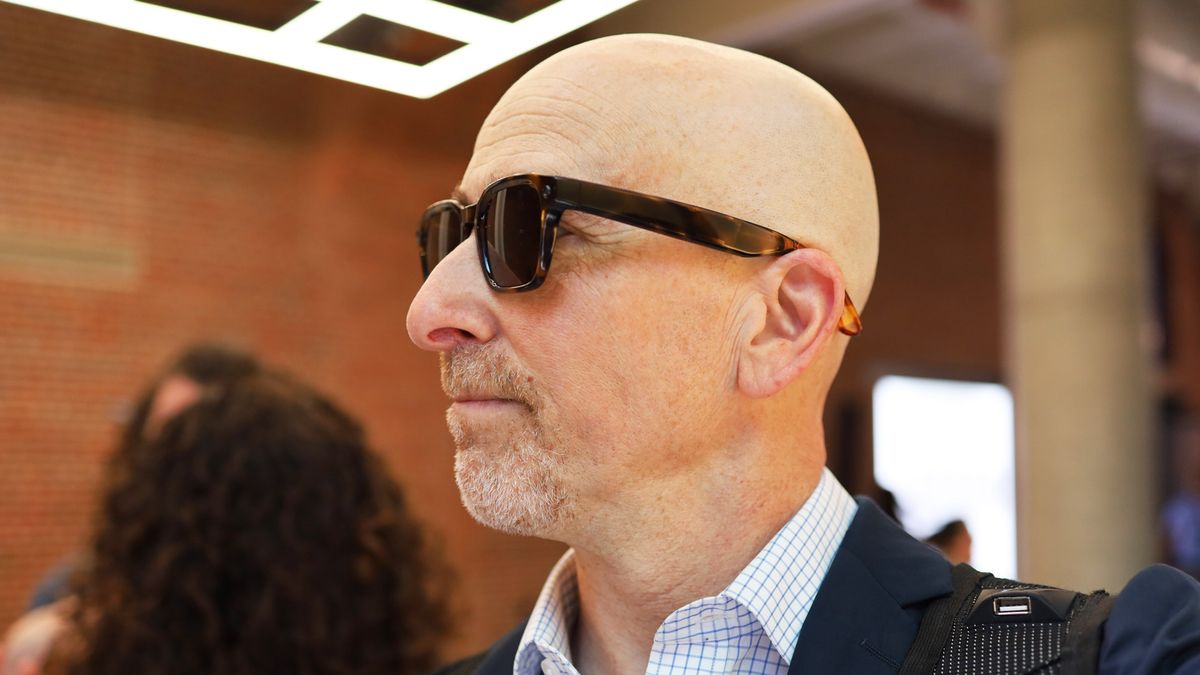

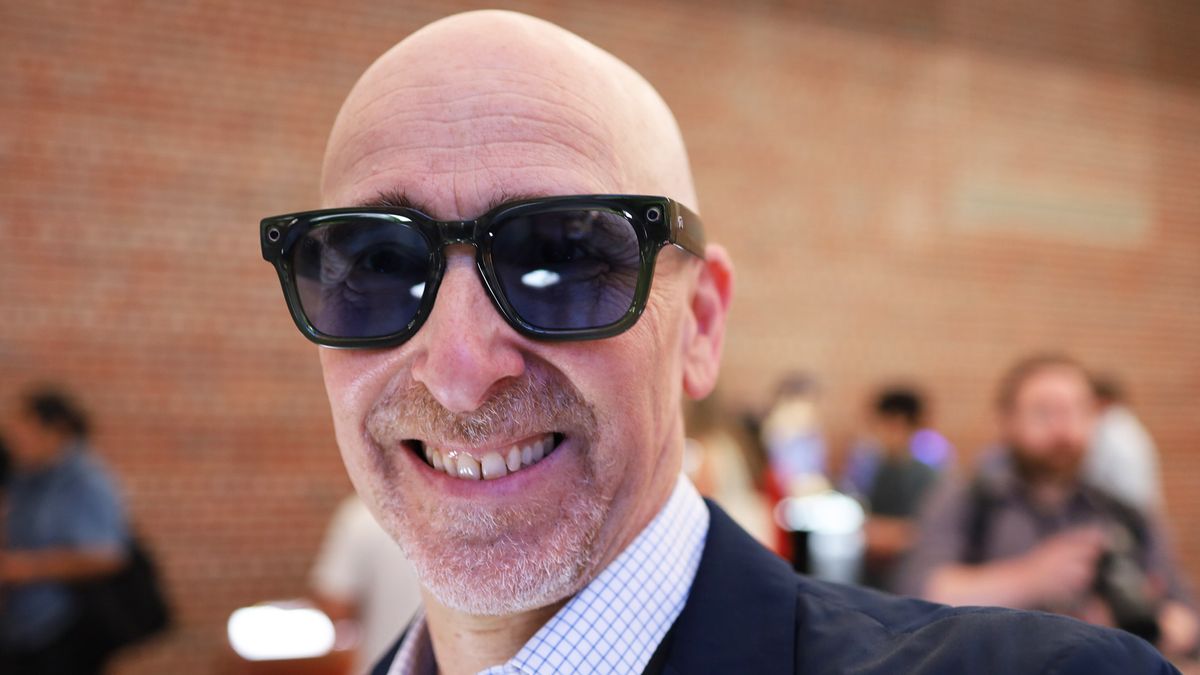
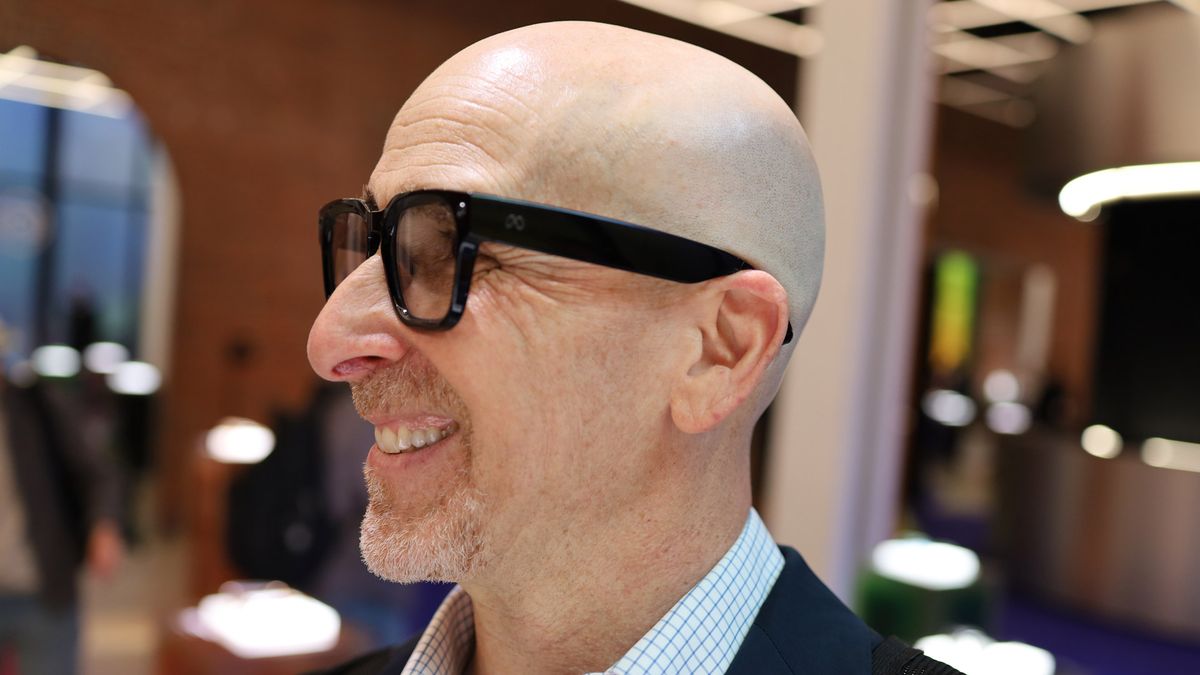
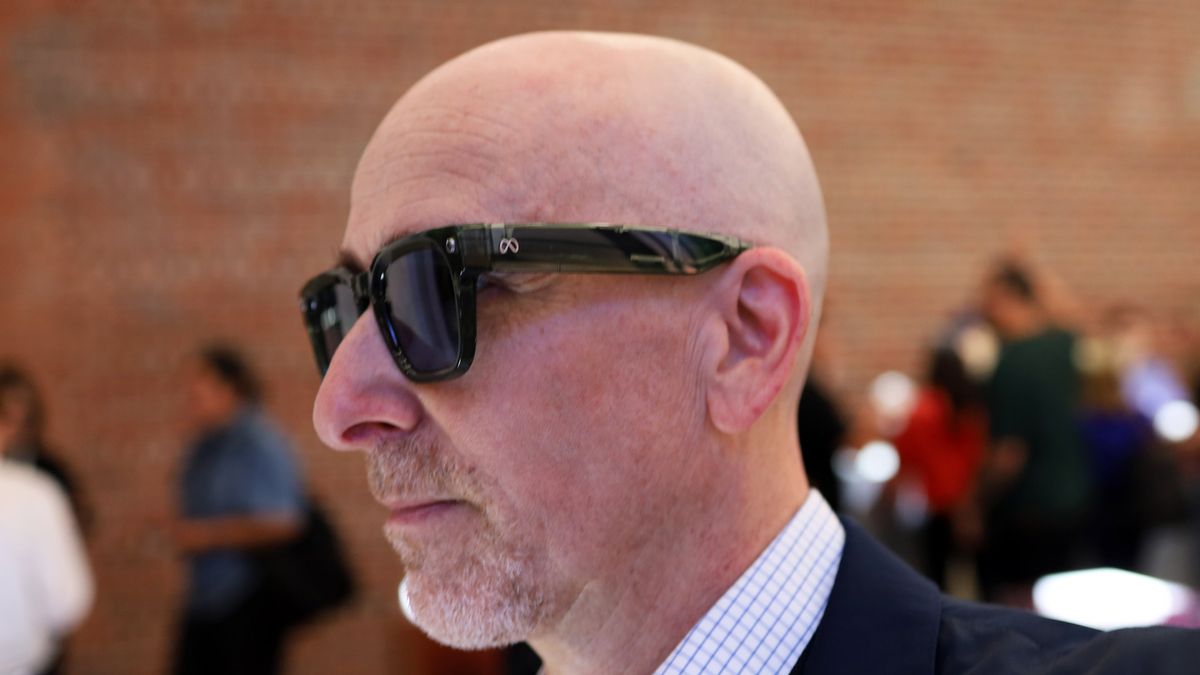
These are also the first set of Meta AI glasses to feature a Meta AI system supported by the company’s more robust Muse Spark models, which provide a more conversational voice, better context awareness and the ability to tap into the zeitgeist by checking out social media (at one point I asked Meta AI if there was chatter online about fake food, and it confirmed that a lot of people were talking about it on social media).
I tried out the new Meta AI in a few scenarios, and it skillfully identified whatever I was looking at (I could hear it taking a picture before the analysis), launched a music playlist based on my surroundings, and translated Arabic print for me.
That all this comes in at under $299 (Ray-Ban Meta frames start at $379), and without compromising on 3K video recording quality, 12MP photos, microphones, array or speakers, is remarkable; but it’s still relatively early days in the wearable AI space.
Getting it right and making it safe

Design is “really important if you want people to wear them as daily driver glasses,” said Meta Head of Industrial Design Peter Bristol, who joined Bosworth on stage and took some questions from reporters.
In perhaps a nod to how thick and oversized AI glasses can look, the pair talked about how they made subtle changes to the designs, slimming the frames or simply making them look thinner by, for example, adding a bevel along the top edge of the frame near the brow.
Good design means less friction, which Bristol believes can help with AI adoption.
For Meta, the goal is to “reach every corner of the market,” Bosworth said, but that approach comes with risks.
Picture 1 of 6
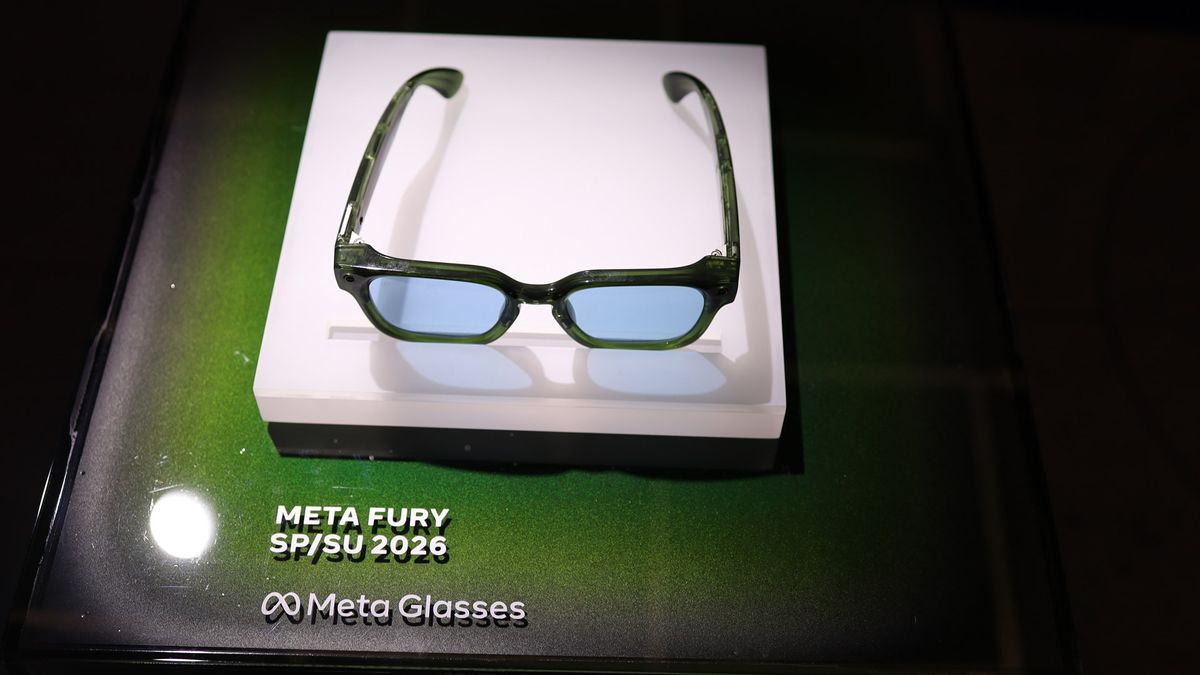
When asked about growing privacy concerns about these glasses (there have been reports of people using them to illegally photograph women and even fiddling with the glasses to turn off the LED “I’m filming you” light), Bosworth acknowledged those issues, but reminded us that Meta actually “pioneered LED on the glasses,” talking about the anti-battering technology they put in the Meta 2 glasses. But, he added, it’s “a cat and mouse game.”
As for what the future holds, I pointed out to Bosworth and Bristol that although they now have many styles, not everyone wears or wants to wear glasses. What about smart contacts?
“Absolutely, it’s top of mind for the design team,” Bristol said, adding, “We’re thinking and trying the other potential avenues, but it’s a complicated space, so glasses are at the center of our mind.”
Bosworth agreed with the premise of my question, admitting that he’s not a glasses wearer but is happy to wear Meta AI glasses “because they added a lot of value – but I’m aware that I do.
“The design team is absolutely fascinated by this question. What are the other ways we can deliver this capability to people who don’t wear glasses?”

Follow TechRadar on Google News and add us as a preferred source to get our expert news, reviews and opinions in your feeds.


