
“Back-channel contacts continue despite harsh tones from both sides,” the source said
Pakistan will continue its mediation efforts to help reach a negotiated solution to the Middle East conflict with “no immediate danger” of renewed war between the United States and Iran, several government sources familiar with the process said. Anatolia on Monday.
“Pakistan sees no immediate danger of a resumption of war despite the ongoing stalemate as Washington and Tehran seriously pursue a diplomatic way out to end the conflict,” a source said. Anatoliareferring to US President Donald Trump’s rejection of Tehran’s response to Washington’s plan to end the war.
Also, the sources said, Trump does not want his upcoming visit to China to be overshadowed by the resumption of hostilities.
Trump said on his Truth Social platform on Sunday that he had read the response from Iran’s “so-called representatives” and described it as “totally unacceptable”.
Iran, in turn, said Trump’s rejection of his response “doesn’t mean anything at all”.
Islamabad, the sources added, will continue its mediation to “break the deadlock despite the two sides’ publicly acknowledged inflexibility on some issues, mainly Tehran’s nuclear program”.
“Back-channel contacts continue despite tough tones from both sides, with several regional countries, including Qatar and Egypt, helping Islamabad in its mediation efforts,” a source said.
‘No significant’ change in Iran’s stance on nuclear issues
Although Pakistan is still hopeful for the resumption of direct talks between the two sides, according to the sources, there is no “significant” change in Iran’s previous stance on the nuclear issue in its response to the US proposals.
Tehran’s response, which was delivered to the US via Islamabad last week, basically focuses on an “immediate” end to the war and “there is little [in it] to Washington’s core demands on Iran’s nuclear program,” the sources added.
Iran, the sources said, had proposed “broader and separate” talks on the nuclear issue given its “complexity”.
However, Tehran had “reiterated” its “willingness” to halt uranium enrichment for a period of five years, while rejecting Washington’s demand for a 20-year moratorium, according to the sources.
The sources added that Iran “again” rejected US demands to dismantle its underground nuclear facilities and insisted it had no plans to develop nuclear weapons.
Tehran, they said, had also proposed starting nuclear talks within a month of the two sides agreeing to end the war.
Iran, according to the sources, had reiterated its readiness to reopen the Strait of Hormuz in exchange for an end to the US blockade of its ports.
Tehran had also reiterated its demands for the release of its billions of dollars in frozen accounts, compensation for war damage and the lifting of US and international sanctions against the Islamic Republic, the sources added.
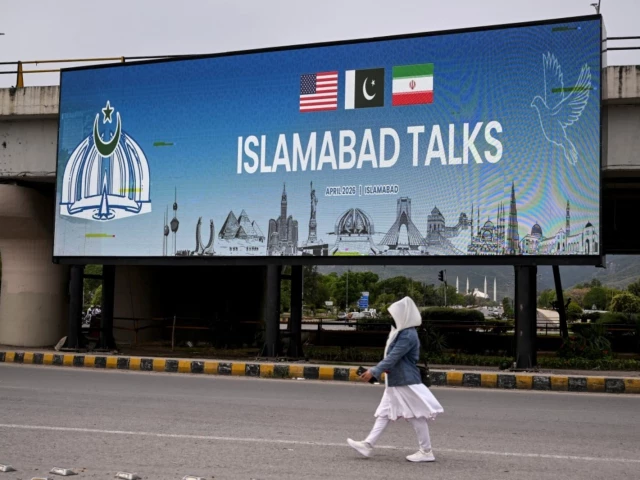
Pakistan brokered a two-week ceasefire between the US and Iran on 8 April, followed by critical talks in Islamabad involving high-level delegations from both countries on 11 and 12 April.
However, neither side was able to reach an agreement to end the war.
Since then, the two warring sides have exchanged formulas and counter-formulas to reach a middle ground to resume a second round of direct talks to end the conflict that has already disrupted global energy supplies and daily life across the region.


