
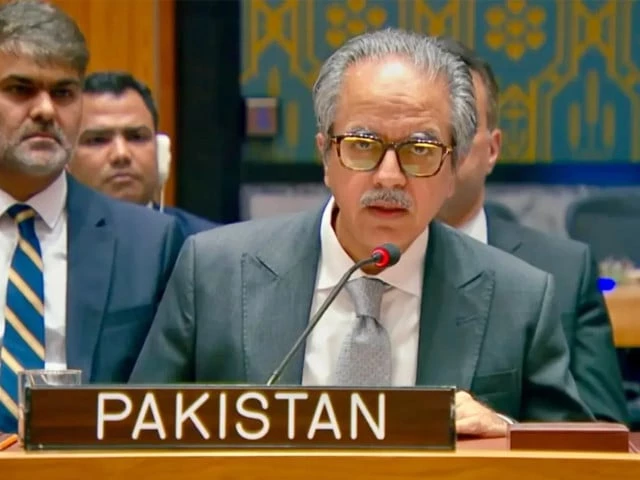
He says Pakistan will work with partners to dismantle the ‘twisted ideology’ of hate speech
Pakistan on Friday described the Muscat Action Plan as an innovative way to tackle the scourge of hate speech, prevent incitement to genocide and other atrocity crimes and promote peace mediation, dialogue and local peace-building, Radio Pakistan reported.
These remarks were made by Pakistan’s Permanent Representative to the UN, Ambassador Asim Iftikhar Ahmad, at the UN headquarters in New York.
The ambassador said the plan encourages the cultural legitimacy and credibility of traditional and indigenous leaders in countering hate speech and promoting peace through mediation and local peace building.
He said Pakistan would continue to work hand in hand with international partners to dismantle the “twisted and flawed ideology” of hate speech and to turn societies into “oases of peace, equality and tranquility”.
Iftikhar also congratulated the Sultanate of Oman, the UN Office of the Special Adviser on the Prevention of Genocide and the Peacemakers Network for drafting and finalizing the Muscat Plan of Action.
On Wednesday, Pakistan urged all sides to exercise restraint and give diplomacy “a little more chance” amid heightened tensions in the Middle East, warning that recent events have highlighted the risk of further escalation.
Addressing the UN Security Council briefing on non-proliferation, the ambassador said Islamabad was “deeply concerned” by the ongoing situation in the region marked by heightened tensions.
Read: Pakistan urges Afghan Taliban to take ‘verifiable, non-reversible’ action against terrorists at UNSC
“Events of the last few days have greatly underlined the fragility of the situation, the risk of escalation and the need for diplomatic efforts to materialize – sooner rather than later,” he told the council.
The ambassador said the latest uptick in violence in the Middle East was “a stark reminder of the dangers of a tenuous ceasefire and the intolerable consequences it can lead to”.
Statement by Ambassador Asim Iftikhar Ahmad,
Permanent Representative of Pakistan to the United Nations,
At the Security Council briefing on non-proliferation (the 1737 Committee)
(June 9, 2026)
*****Chairman,
Pakistan is deeply concerned about the ongoing situation in the region characterized by… pic.twitter.com/f5vLN6I4PK
— Permanent Mission of Pakistan to the United Nations (@PakistanUN_NY) June 10, 2026
“That cycle of violence and instability must be ended for the benefit of regional and international peace, security and prosperity,” he added.


