
Preparatory work for home delivery of passports in Pakistan, abroad completed, service will be launched soon
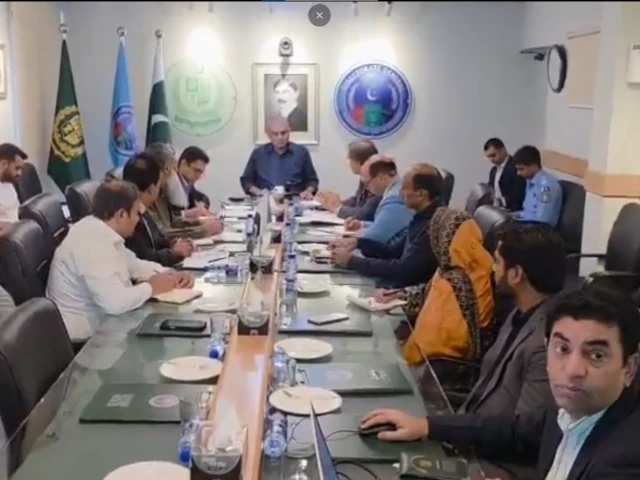
Interior Minister Mohsin Naqvi chairs a high-level meeting on passports and immigration held at the headquarters in Islamabad. SCREEN GRAB
Pakistan decided on Friday to transition its passport-issuing system to a full e-passport framework as part of sweeping reforms aimed at modernizing immigration services and eliminating fraud, state media said PTV reported.
According to PTVA high-level meeting on passports and immigration was held at the headquarters under the chairmanship of Interior Minister Mohsin Naqvi, where key decisions regarding the digital overhaul of the system were approved.
A major decision was made to fully move passport issuance to e-passports, with the move aimed at reducing fraud and forgery in the passport system. However, no deadline has been announced for the phasing out of existing passports.
Minister of Interior Mohsen Naqvi کی زیر کسدرین Passport and Immigration Headquarters meeting
DG Passports and Immigration محمد علی رندھاوا نہ فازیلی وزیر داخولی بریفنگ دی
Passport के अध्यान को को मुक्लेट तूर पर ए पास्वोर्ट पर प्रश्वाष्ट का उसूली फी
Е passport про меняться се фрад ор… pic.twitter.com/UlOOovm4Yv— PTV News (@PTVNewsOfficial) June 19, 2026
The Director General of Passports and Immigration, Muhammad Ali Randhawa briefed the minister on ongoing reforms and plans. Officials said premium service applicants will now be charged as per the actual cost of passport services.
According to the briefing, preparatory work for home delivery of passports in Pakistan and abroad had been completed and the service will be launched soon.
From July 1, a cashless payment system will be introduced at passport offices across the country, and online passport applications will also be moved to the Pak-ID platform.
Read: The public warned about more passports
The meeting also decided to finalize a business passport policy in consultation with the Federal Board of Revenue (FBR).
Officials said the reforms are part of a broader effort to make the passport system more efficient, transparent and citizen-friendly.
According to the Ministry of the Interior, the e-passport is an extremely secure travel document. It has an electronic chip embedded in one of the pass pages, which will be used to store biometric information about the holder.
The chip contains data that will verify the passport holder’s identity and will include the passport holder’s biometrics, the personal data found on the passport’s data page, a unique identification number and a digital signature.
An e-passport has a contactless (NFC) chip on it, which means that these passports can be read electronically. The recently launched e-passports in Pakistan are compliant with UN ICAO standards.


