
- Which? discovers ‘potentially lethal’ phone chargers being sold by major retailers
- Cheap chargers pose a serious risk of fire, electric shock and more
- The consumer group demands stricter government regulation
British Consumer Watchdog Which? has revealed that many of the third-party phone chargers available to consumers can pose “potentially fatal” risks – and they’re often hidden in plain sight.
Nine of the 15 chargers tested by Which? posed serious electric shock risks, while eight also posed potential fire or explosion hazards, but more worryingly, many were available from popular and trusted high street and online retailers such as Amazon, B&Q and Debenhams.
The timeliness is also remarkable, because the results come seven whole years after Which? first warned of dangerous counterfeit and low-quality chargers, suggesting the problem remains widespread despite repeated warnings.

These are the reasons why cheap chargers can fail basic safety tests
According to the report, many of the chargers tested failed basic tests because the internal electrical components were placed too close together, the insulation was insufficient, high-voltage stress tests caused failures, and connector pins did not meet the requirements of British Standards.
The most widespread concern, then, was that the defective products could cause electrical arcing, where electricity jumps between components, leading to electrical component failure in the best cases, but electric shocks, overheating, fire and explosions in the most severe cases.
Among the examples given by the group was a counterfeit Apple USC-C 35W power adapter sold for £11.99 – a not at all similar mockery of Apple’s £59 charger. The researchers detected arcing sounds after just 10 seconds, and upon further investigation found models inside the charger.
They believe it was added to make the device heavier so it feels more ‘premium’. Another, separate model, sold through Debenhams, also included modeling clay inside.
Apart from suspiciously cheap chargers from Amazon (£2.99 and £3.99), eBay (£2.10 and £2.80) and AliExpress (£1.30 and £5.69), Which? also found that a more expensive £10.99 charger sold through B&Q was subject to fire, electric shock and explosion risks.
And even the chargers that passed security tests, including models sold through Temu and Shein, weren’t entirely legitimate. They still lacked the required labeling and importer information, making them illegal in the UK.
“Badly designed electrical appliances like these can have life-changing – even fatal – consequences,” commented Head of Consumer Protection Policy, Sue Davies.
Which? calls for greater enforcement of online marketplaces
Which? argues that marketplace operators have now become an important route through which unsafe and illegal imports can reach UK consumers because they often act as intermediaries for third-party sellers.
But despite the implementation of the UK’s Product Regulation and Metrology Act in July 2025, the consumer group says implementation has been slow. Under the law, the government can impose obligations on online marketplaces.
Which? therefore calls for stronger enforcement powers and greater accountability for third-party seller listings.
“By making online marketplaces legally liable for unsafe products, the government can set a world-leading standard for product safety in the digital age,” Davies added.
As for consumers, they are advised to buy from reputable brands and be wary of very cheap big brand chargers. UK citizens should also look for the CE or UKCA marks and importer information.
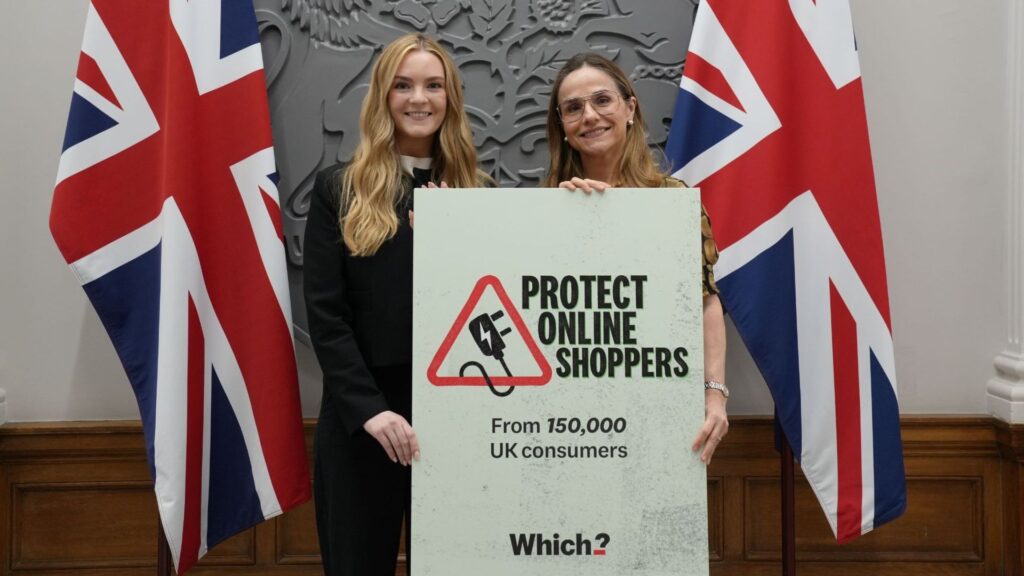
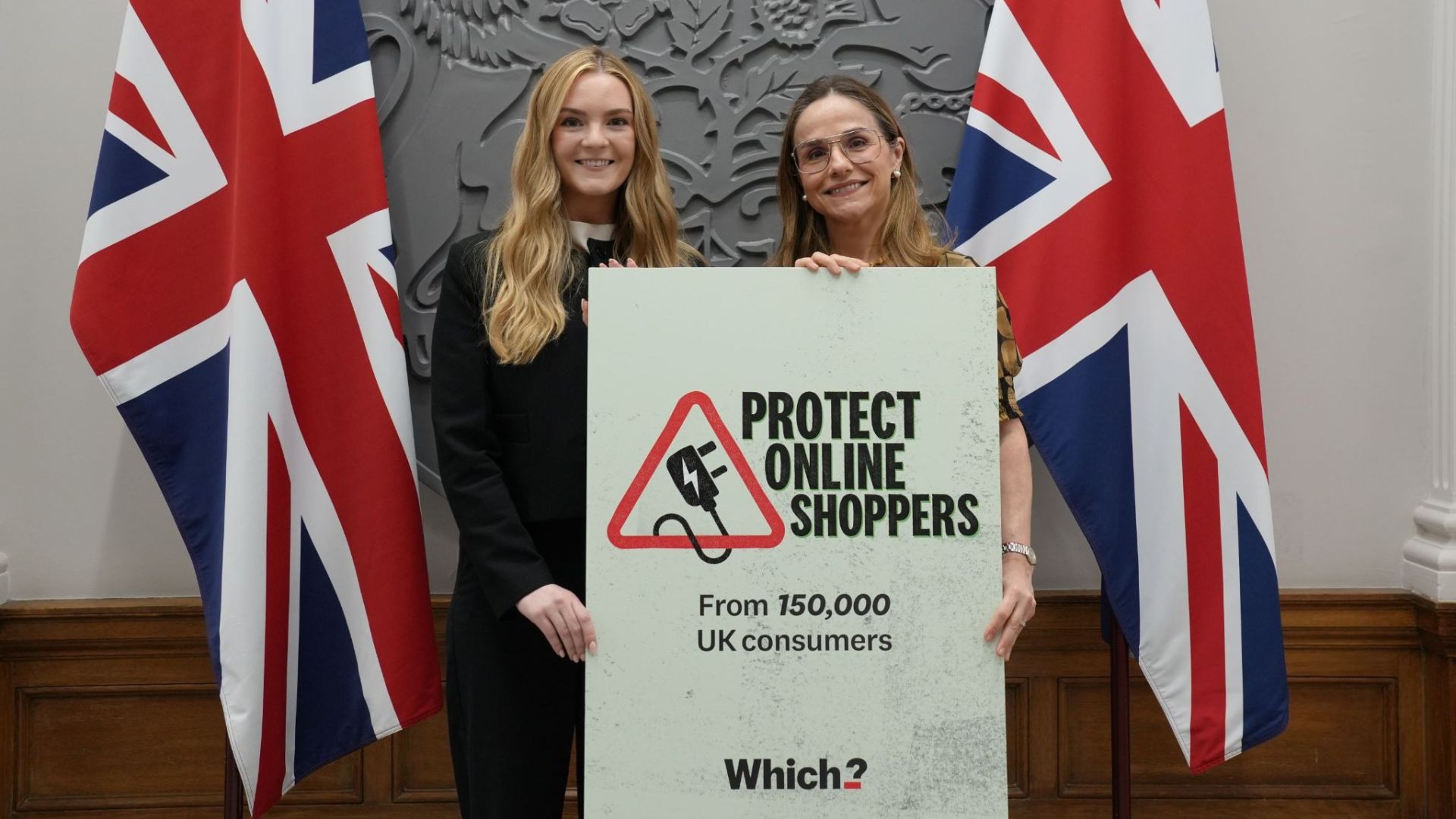
Looking ahead, which one? has presented the UK Department of Business and Trade Secretary Kate Dearden with a petition with 150,000 signatories calling on the government to regulate online marketplaces and fine them for breaches.

Follow TechRadar on Google News and add us as a preferred source to get our expert news, reviews and opinions in your feeds.


