
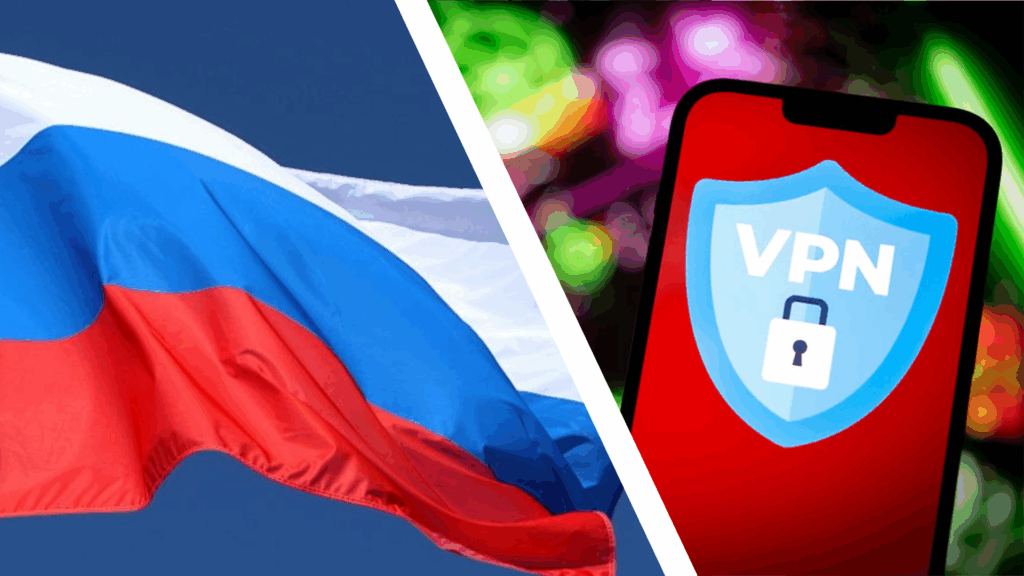
- Russia plans to block 92% of VPNs by 2030
- Millions in funding will build a permanent censorship infrastructure
- New taxes and tracking rules further tighten the network
The Russian media regulator, Roskomnadzor, has set itself an ambitious and alarming goal: to block 92% of all Virtual Private Network (VPN) services operating in the country by 2030.
This directive – first revealed by Russian independent journalist Maria Kolomychenko and reported by the Russian version of Radio Free Europe – marks a major escalation in the Kremlin’s long-running efforts to control what its citizens see online and cut them off from the open internet.
What is crucial is that the plan is already funded. Federal budget laws have allocated about 20 billion rubles a year from 2025 to build the necessary technical infrastructure for these blocks, according to Kolomychenko. Even the best VPN services face a growing maze of technical and legal hurdles across the country.
The infrastructure behind the 92% target
The 2030 target is driven by the Automated System for Security of Supply (ASBI), which manages TSPUs – specialized hardware gatekeepers installed directly at ISPs. These devices inspect data packets in real time to identify and block VPN traffic based on specific signatures.
The grant document allocates about 20 billion rubles annually for the operation of ASBI. This figure confirms a report from September 2024 that the authorities intended to do spend 60 billion rubles (about $650 million) over the next five years to update its internet blocking system.
A critical detail is that the Russian government has not defined what “92% efficiency” actually means. Kolomychenko noted that it could refer to the number of VPN applications removed from stores, the amount of blocked traffic or the percentage of people who could not connect.
This marks a fundamental shift in how Russia controls the Internet. Instead of hunting down individual services one by one, the state is now pouring money into the underlying network layer to build a permanent filter.
By placing these filters directly in the network path, Roskomnadzor aims to make bypassing blocks a constant uphill battle for users.
A growing wave of internet restrictions
While the 2030 plan sets the stage for long-term isolation, the situation for Russian internet users is already declining.
Since the invasion of Ukraine, censorship has expanded from specific news media to targeting major social media platforms and messaging tools.
Millions of websites have been blocked, and from 2025 the authorities have begun cutting off mobile internet across entire regions. They have also officially blocked major platforms like WhatsApp and Telegram.
So far, more than 400 VPN services have been banned, with over 1,000 restricted, according to another Russian journalist, Aleksandar Djokic. This, even though it is still legal to use a VPN in Russia.
Russia’s Roskomnadzor has set a goal of 92% VPN blocking effectiveness by 2030, with about 20 billion rubles allocated annually to the blocking infrastructure, according to a grant document from January. Over 1,000 VPN services have already been blocked and since April 15…5 May 2026
The game has changed from simple blocking to include active detection and financial punishment.
As of April 15, 2026, major Russian service providers are legally required to detect whether a user is connected via a VPN, raising concerns about data protection and potential future profiling.
At the same time, the Ministry of Digital Development is also pushing for a new “foreign traffic tax”. It would charge mobile users 150 rubles per gigabyte for data above a monthly limit of 15GB. This fee, which has been subject to technical delays, hits the international routes VPNs rely on, making it too expensive for most people to bypass the blocks.
When you combine these measures with the technical upgrades to ASBI, the result is extensive pressure on user access. This makes escaping censorship not just a technical headache, but an expensive and even risky game.


