
- This Whoop Hack Matches the Heart Rate of Meeting Participants
- It may associate colleagues with higher levels of stress
- The unofficial hack was made with the help of Claude Fable 5 AI
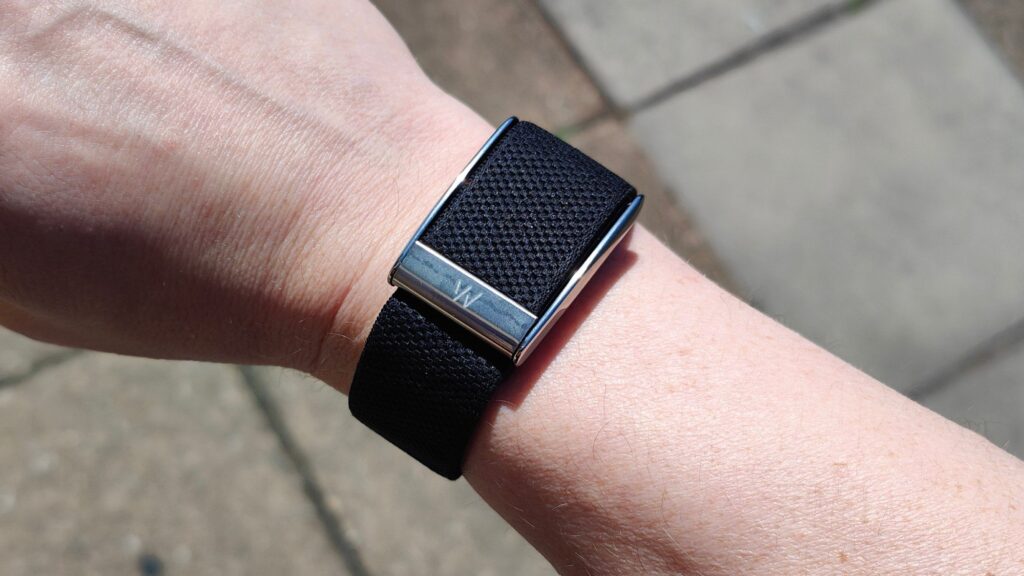
We’ve seen several examples of people hacking their Whoop bands before (including recently), but nothing quite at this level: one enterprising user connected his Whoop to his meeting schedule on Google Calendar and can now find out which of his colleagues raises his stress level the most.
Developer Pankaj Tanwar posted his custom setup on X, and it’s clearly something a lot of other people are interested in – at the time of writing, the post has recorded more than 10 million views.
We won’t go into too much detail about how this was done, but Tanwar says he used the Claude Fable AI model to reverse engineer his Whoop and extract the heart rate data. It was then matched with calendar meetings and the participating colleagues.

“I now have a leaderboard and I think about it daily,” says Tanwar, who has judiciously edited his screenshot so we can’t actually see which people make his blood boil more than others. It’s a really nice idea and a good example of a hardware and software hack that produces some really interesting data.
More thanks
i connected my whoop to my work calendar to find out which colleague gives me the most stress 🚨Thanks to fable, I converted whoop to draw heart rate per minute. and matched peaks with cal events and participants, I now have a leaderboard and I think about it daily. get info… pic.twitter.com/x1jdkW8JdZ10 June 2026
Of course, this isn’t an exact science—heart rate can vary for all kinds of reasons, including time of day and eating and drinking habits. It’s possible that it’s the topics in the meetings that get Tanwar’s heart rate up, rather than the colleagues sitting in there with him.
Still, it’s a fun experiment, and while Whoop doesn’t correctly identify the colleagues who stress the most, the data can be used to manage health and well-being throughout the workday, in and out of meetings.
It’s something I’d love to have on my own fitness tracker: the kind of insight these AI-enhanced trackers should give us. Which colleague annoys me the most? What parts of my commute are the most stressful? What TV programs calm me down?
This is also more evidence of the increasingly capable AI models we are all gaining access to. The Fable 5 has only just been released to the world at large, and is already being used to produce next-level apps and tools with just a few lines of prompts – check out these alternative Fitbit apps too.

Follow TechRadar on Google News and add us as a preferred source to get our expert news, reviews and opinions in your feeds.


