

- The Fujifilm X-T6 is tipped for a September release date
- No word yet on what upgrades it might have
- However, the X-T5 is still in many ways the best APS-C camera ever made
We reviewed the Fujifilm X-T5 back in November 2022, describing the stills-focused mirrorless camera as ‘the best full-frame alternative’. Three and a half years later, and with just a smattering of great new APS-C cameras released – including the Sony A6700 and Nikon Z50 II – it’s the same story.
X-T5 still features an unrivaled 40MP sensor with in-body image stabilization neatly packed into a lightweight retro body that’s a joy to use and supported by a host of X-mount lenses.
And despite its age, the X-T5 remains the ‘best overall’ in my best Fujifilm camera guide, and I absolutely still recommend it in 2026 – even if the price is practically the same as it was at launch, and even with the rumored Canon EOS R7 II and the X-T5’s successor (presumably called the X-T6) potentially on the horizon.

That said, a successor to the X-T5 will no doubt get Fujifilm fans excited, and the current model can be improved upon. I think with the following upgrades the rumored X-T6 could be a crop sensor masterpiece.
1. Next generation processor
Since the X-T5, Fujifilm has gone on to put the X-Processor 5 chip it introduced into subsequent models such as the X-E5, X100VI, X-T30 III and X-M5. We now need a next-generation processor.
We can’t know for sure what benefits a new processor will bring, but typically we can expect improved power efficiency (read: better battery life) and a boost in burst recording speed and length. Although the X-T5 is very fast – it can shoot at 15 fps with the mechanical shutter or up to 20 fps with the electronic shutter (but with a 1.29x crop) – its buffer is limited.
This speed of 15 fps can be maintained for 119 JPEGs or only 19 raw files, which is quite modest, while the speed of 20 fps holds for 168 JPEGs / 23 raw files. I expect the X-T6 to shoot for longer, making those top speeds more usable. Adding pre-capture to burst recording would also go down well with me.
Another way to improve burst recording performance would be to use the faster CFexpress Type B card type and save one of the two slots for that type of card instead of twin SDs.
2. Improved autofocus
Picture 1 of 4
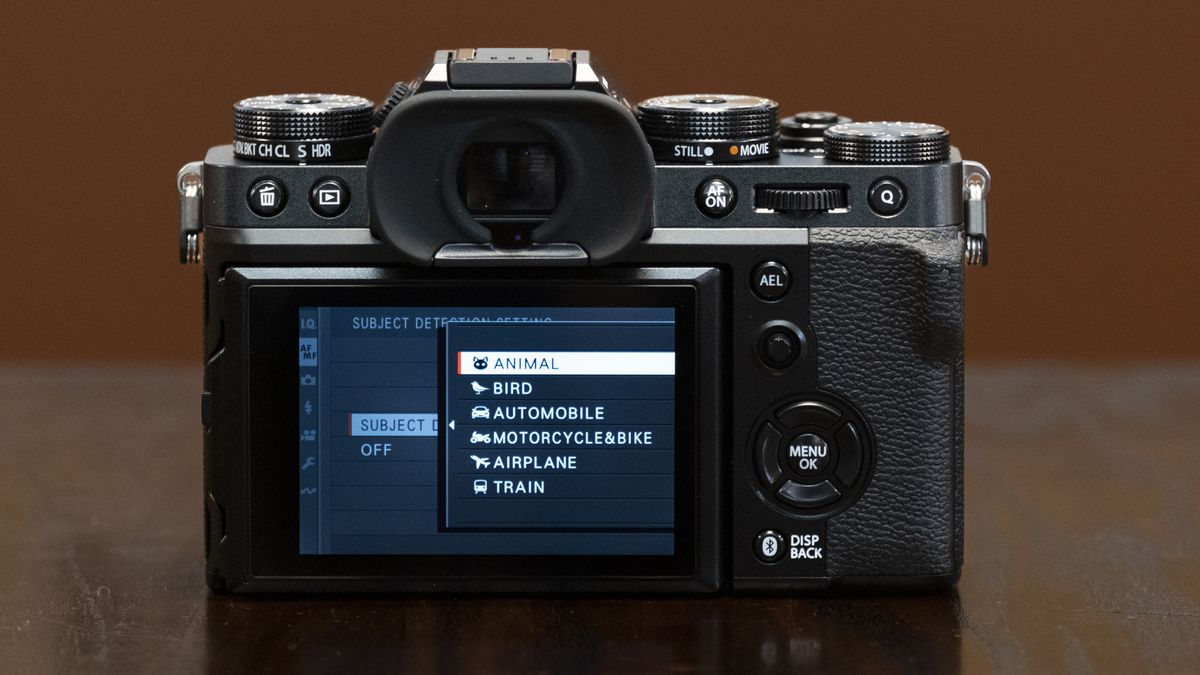


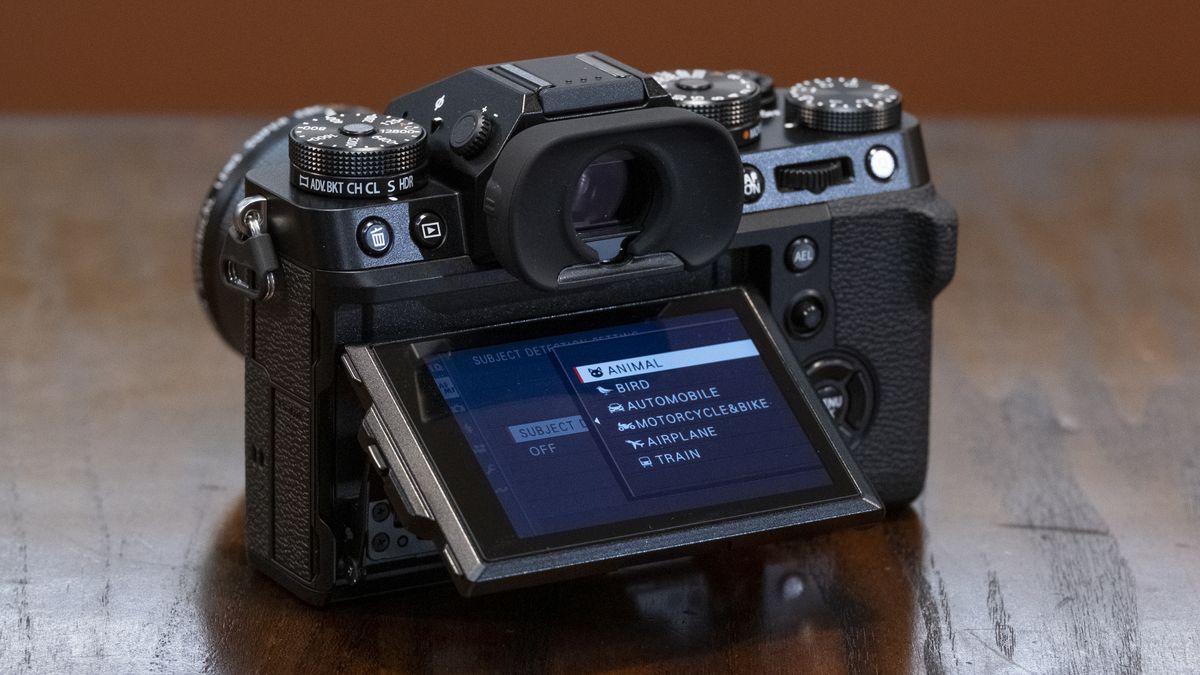
The X-T5’s subject detection autofocus is really good, but rival systems from Canon, Sony and even Nikon are generally better. So if you shoot a wide range of subjects and rely on autofocus, then a step up in autofocus performance will be appreciated in the X-T6.
For example, the very best autofocus systems today not only recognize subject type, be it people, birds, animals or vehicles, but also body shape and even detect the type of action to determine which subject to focus on and where. Some such as Canon’s EOS R1 and EOS R5 II even offer face detection so you can prioritize specific people – handy for scenarios like weddings and team sports.
Should the X-T6 introduce any of the above and actually deliver reliable and accurate autofocus, then it will be a notable step up in autofocus performance from the X-T5.
3. A new sensor
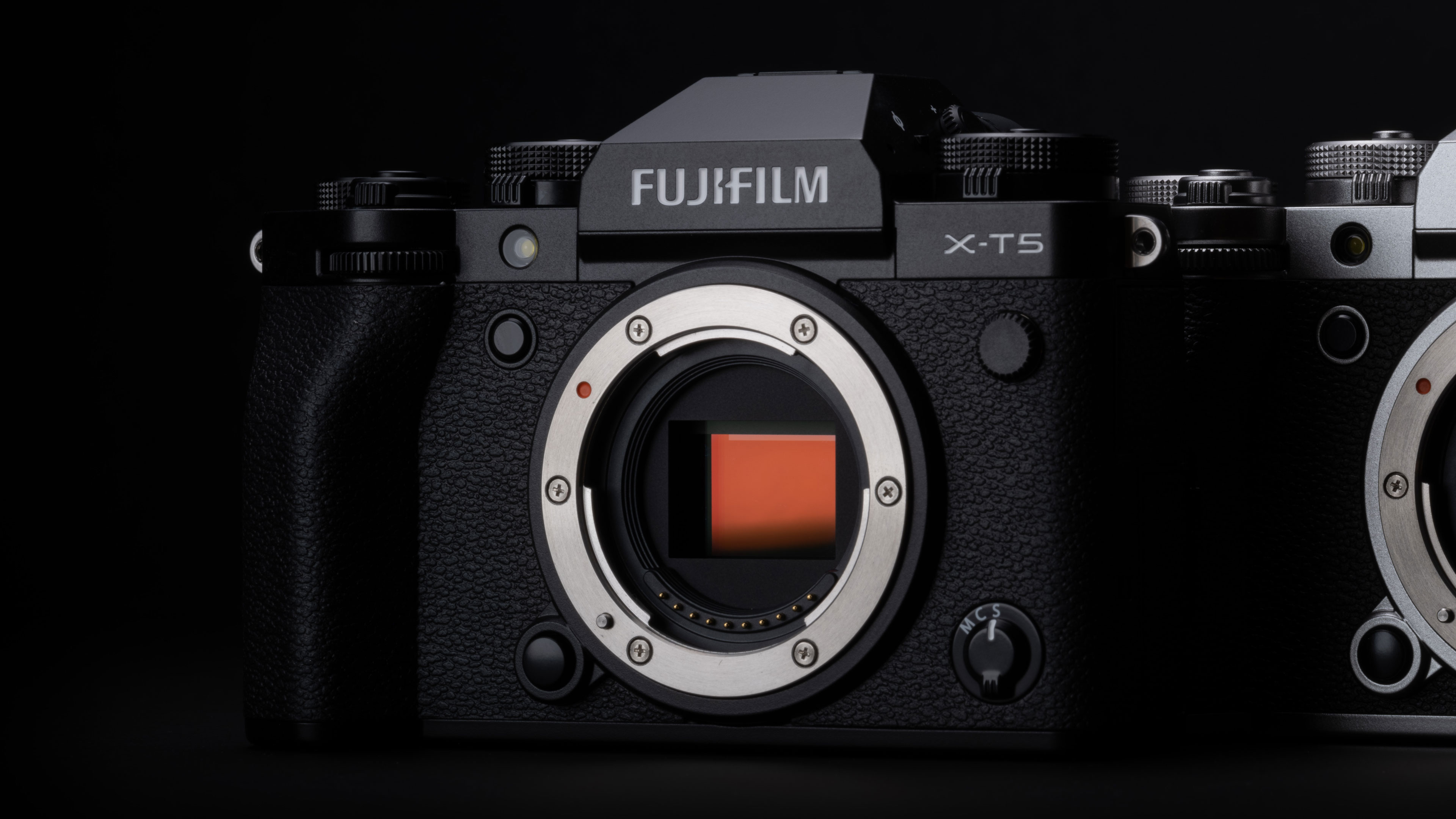
The X-T5 already has a great 40MP sensor. No other APS-C camera can beat it for resolution, plus it’s stabilized, which helps with sharp images when shooting handheld. So what could Fujifilm do with a next-gen sensor?
I suppose in the X-T6 we could be looking at a stacked sensor for faster readout speeds, but if Fujifilm goes down this route, it puts the high-speed XH series on the line. A stacked sensor would increase the hybrid skills of the XT series and make it an even better camera for action photography and video. But if there is still life in the XH series yet, then perhaps a partially stacked sensor would be a sensible middle ground.
Combined with a new processor, a new sensor can also deliver improved dynamic range and better low-light quality, bringing the XT series closer to full-frame quality.
4. Design Adjustments
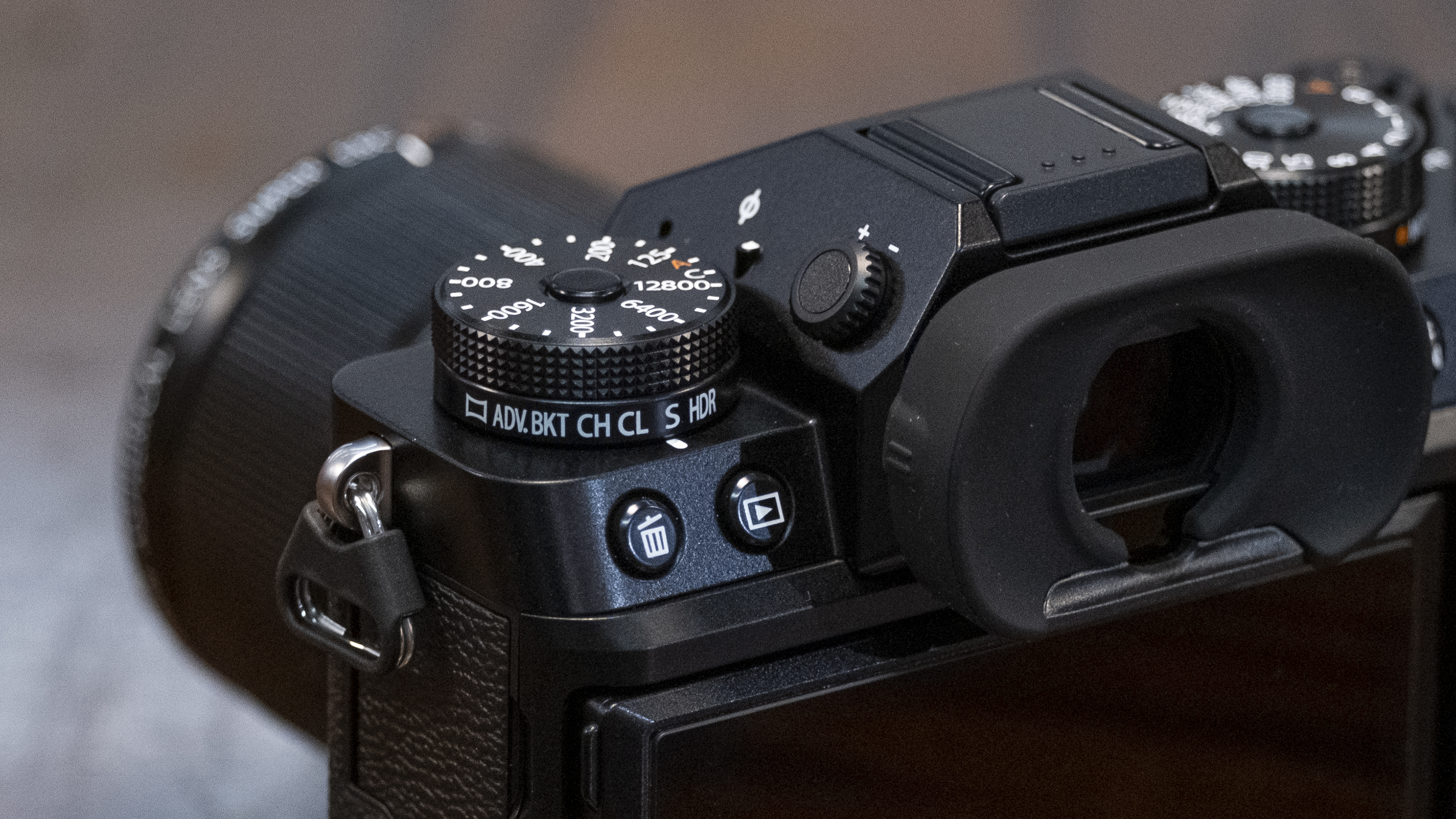
The X-T5 is a treat in the hand, but a few design tweaks could make the X-T6 even better.
Starting with screens, the tilt screen can be swapped out for a versatile screen with different angles. I personally don’t mind a tilt-only display that might feel more robust and not interfere with side ports, but I can appreciate the sound of potential upgraders to the angled type that can be viewed from multiple angles.
However, I would like to see a boost in EVF quality and performance. A brighter screen with higher resolution and a faster refresh rate feels like a sensible upgrade.
5. New lenses and sets
OK, so this isn’t camera-specific and would also apply to the X-T5, but Fujifilm built up a lot of excitement when it hosted a live event in March, asking viewers to vote for their favorite of 14 Fujifilm lens concepts.
Two weeks later the results were confirmed and the XF 16-80mm F2.8 Concept (24-120mm effective) proved to be the most popular, closely followed by the XF 18-50mm F1.4.
I’m bringing up the top lens here because it could conceivably be part of an X-T6 lens kit, while the current kits for the X-T5 aren’t quite as exciting.
To be clear, this is a concept, and Fujifilm hasn’t said if it will actually make any of the concept lenses it presented to fans. But if it were to – and Fujifilm Rumors has also suggested two lenses could arrive alongside the X-T6 in September this year – then it could be one of the best camera kits out there.
Overall, I don’t think there will be much progress in direct image quality improvements, but I predict an X-T6 will be a more rounded camera, cementing Fujifilm’s place at the top of the APS-C tree.

Follow TechRadar on Google News and add us as a preferred source to get our expert news, reviews and opinions in your feeds.


