
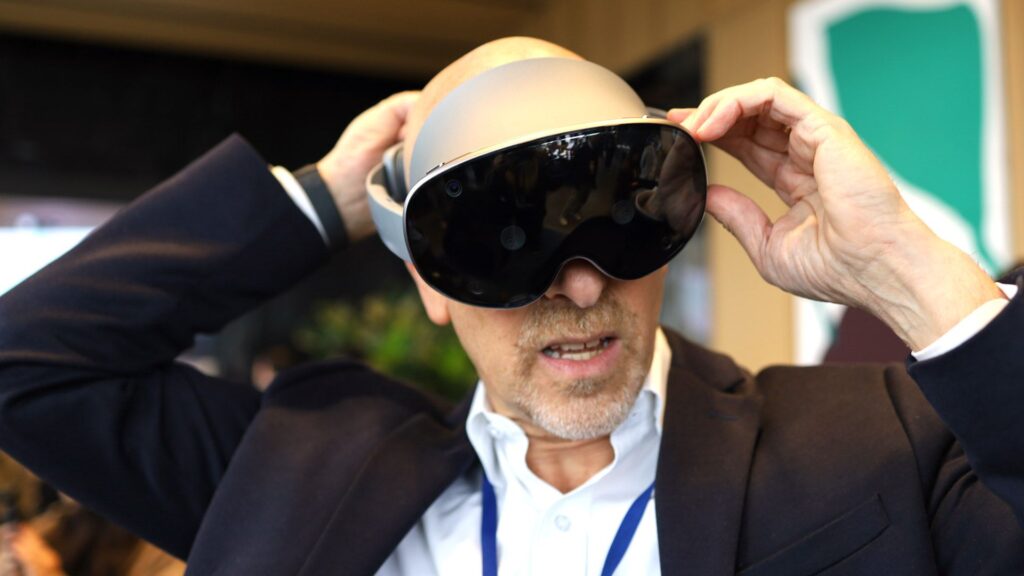
- Samsung’s Galaxy XR headset is finally coming to the UK
- It lands on July 8 and will cost £1,699
- It lands ahead of Samsung’s Android XR glasses extension
After months of waiting, the Samsung Galaxy XR headset is finally ready to bring Android XR to countries outside of the US and South Korea. A UK launch date has just been announced for July 8, priced at £1,699, and the headset is available for pre-order right now on Samsung’s online store.
Formerly known as Project Moohan when it debuted back in late 2024, this headset exists as a collaboration between Samsung, Google and Qualcomm, showcasing the best of each: Samsung’s hardware expertise is felt through the excellent 4K micro-OLED screens and comfortable design, Google’s Android XR software powers the beast with Gemini AI Store enhancements, and Qualchip’s knowledge at your fingertips harnessed through the Snapdragon XR2+ Gen 2.
TechRadar’s Lance Ulanoff got the chance to try out the Galaxy XR when it launched, and noted that it raises the bar while lowering the price for premium spatial experiences – check out his Galaxy XR review.

I’ve spent much less time with Samsung’s headset, although based on my hour-or-so demo at Samsung’s UK studio this week, it was clear that the headset offered some solid upgrades compared to my Meta Quest 3 experience – mainly those screens and how impressive the visuals are.
If I could, I would have put Netflix on and just kicked back a few more hours with a movie. In fact, it was a treat to see a full suite of native entertainment apps (courtesy of the Android Play Store), something that’s a bit lacking on the Meta’s hardware.
I will also say that my hour or so in VR was surprisingly comfortable – this is probably helped by the fact that the Samsung Galaxy XR is only 545g (just 31g heavier than my trusty Quest 3). This makes it much lighter than the Meta Quest Pro (at 722g) and the Apple Vision Pro at around 750g, so I’ll be excited to repeat my week-in-VR experiment from a few years ago.
A glimpse of more to come
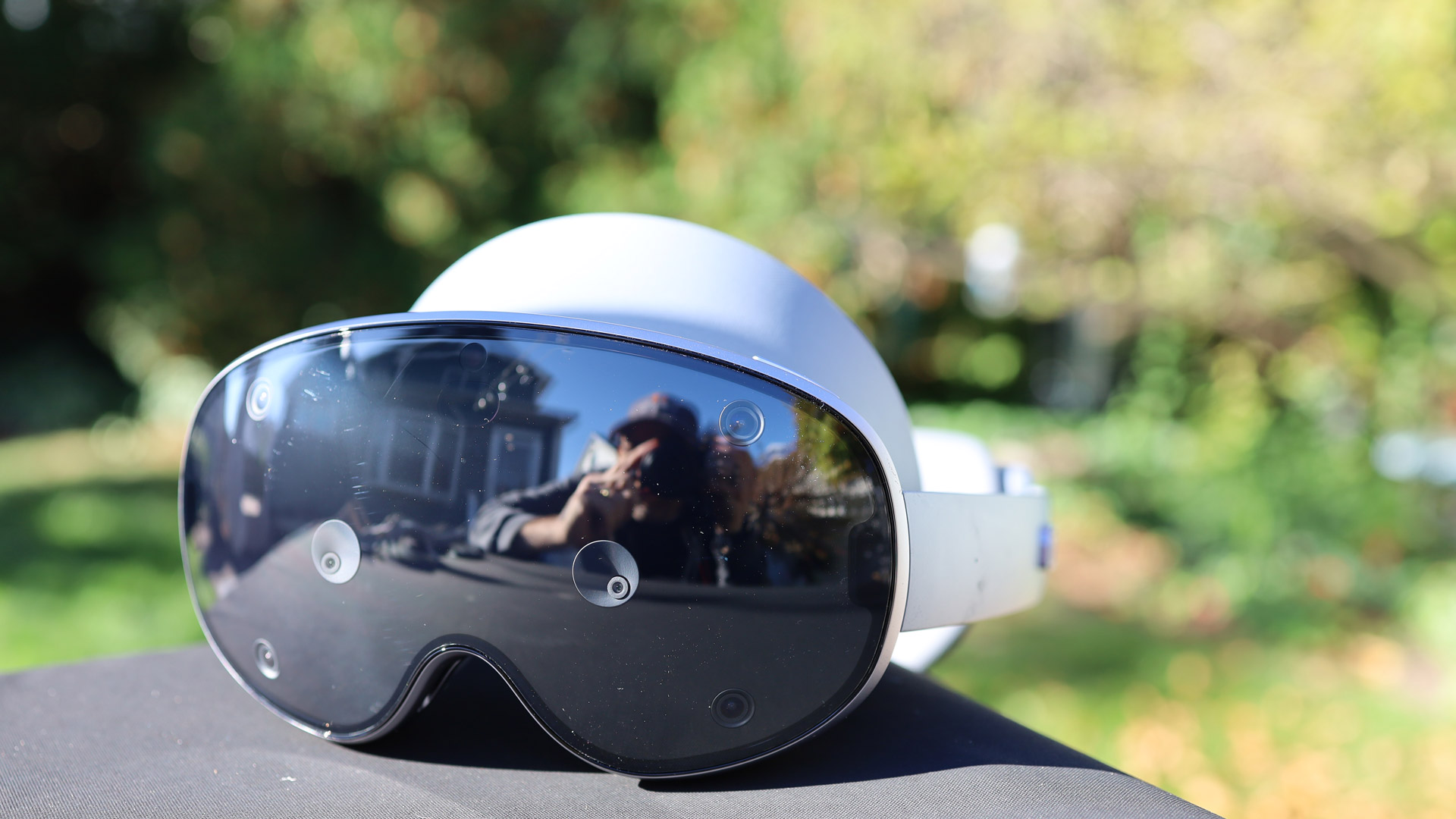
The Samsung Galaxy XR looks impressive on its own with its entertainment options, solid selection of native XR (such as ports of existing games brought over to Google’s Play Store) and XR-enabled (2D apps you can place around your room like windows) and Gemini integrations.
I’m getting married next month and we’re already thinking about our honeymoon, which we plan to take some time early in 2027. The ability to explore destinations we’re considering in VR through Google Maps and street view – and even being able to visit attractions that have been 3D scanned by the owners – seems like an excellent vacation planning tool, especially for places I’ve never been before.
That said, some of the tools feel like they’ll really shine on AR glasses you can wear all the time — like the headset’s circle-to-search feature, which works both digitally and for the real world. I use my phone for this all the time, but having an even faster way to visually search for something I can see – like details about where an outfit is from, how to care for a plant in my home, or more information about a landmark I can see would be a big upgrade. It would be like a more accurate version of Meta’s Ray-Ban look-and-ask tool, which I already use all the time.
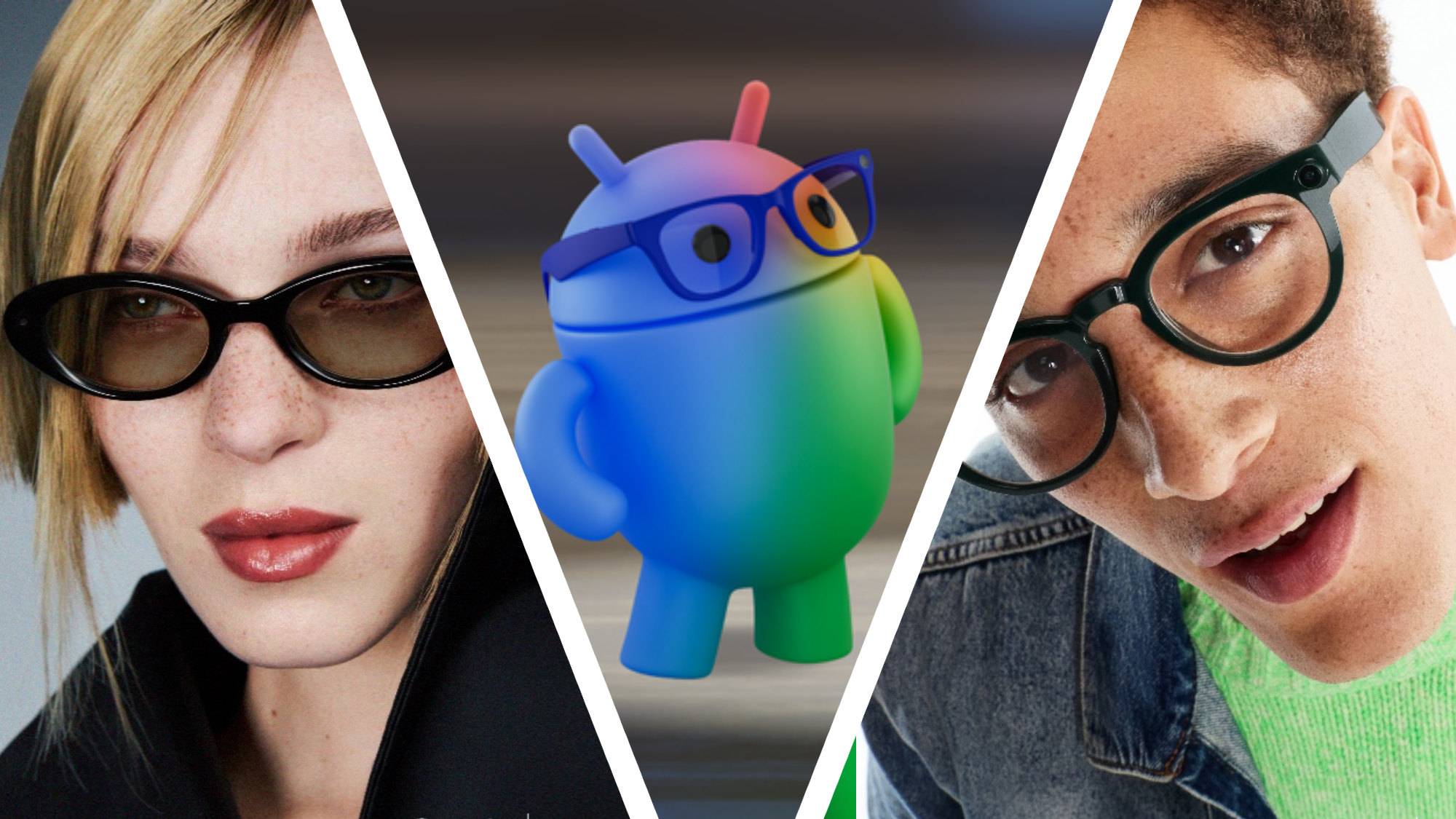
That’s not to say the Galaxy XR isn’t its own thing, and I’m excited to experience it properly now that it lands in the UK. I’m just noting that some of the tools sound perfect for glasses, and as Samsung expands its foothold in this space — it just announced AI specs at Google I/O in collaboration with Warby Parker and Gentle Monster — I can’t wait to see what else it has up its sleeve.
Follow TechRadar on Google News and add us as a preferred source to get our expert news, reviews and opinions in your feeds.


