
- Telegram’s CEO criticized Britain’s proposed social media ban for teenagers
- As users did in Russia, Durov claims that teenagers will simply move to VPNs
- Britain announced a plan to ban anyone under the age of 16 from social media platforms
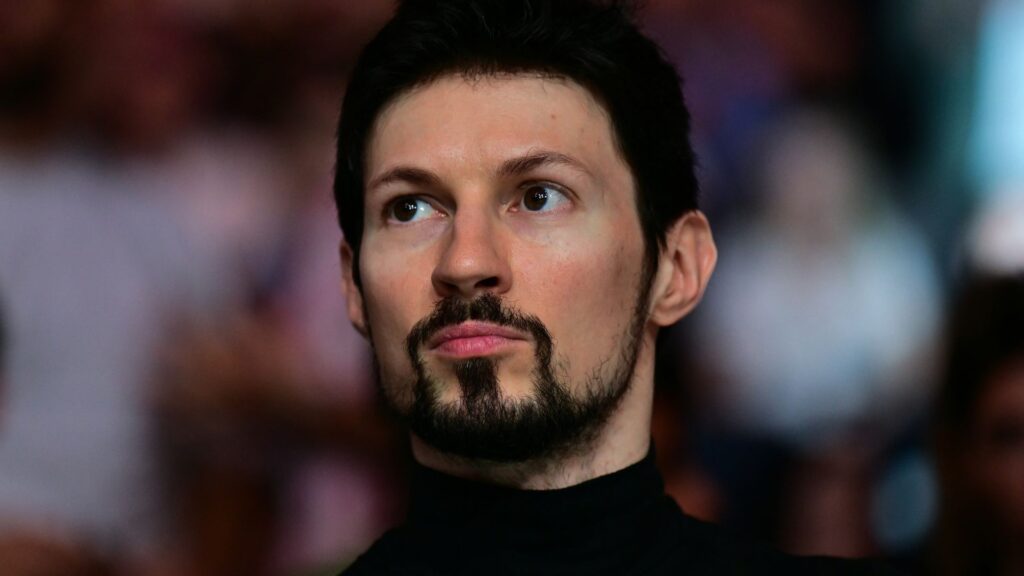
The UK government’s controversial plan to ban teenagers from social media is facing fresh criticism from the tech industry. Telegram’s chief executive, Pavel Durov, has publicly criticized the proposal, comparing Britain’s regulatory approach to the heavy-handed internet censorship often used in Russia.
Taking to X, Durov reflected on the historical futility of government-mandated digital blockades. Drawing on his extensive experience running a global messaging platform against the backdrop of restrictive regimes, he argued that state-level bans rarely achieve their intended effect.
Durov pointed directly to Russia’s historic attempts to block platforms and control the flow of online information, noting that citizens quickly found ways to adapt to the restrictions. “They’ve just moved to VPNs,” he said, highlighting the inevitable cat-and-mouse game between internet regulators and everyday users.
Banning social media for teenagers only puts them in greater danger. Teenagers are forced to switch to VPNs – and unlock far worse illegal content. We’ve seen this before. When the Russian government banned Telegram, 95% of Russian teenagers continued to use it. They just moved to VPNs.15 June 2026
“No law can replace good parenting. Parents already have the tools to limit children’s digital consumption: parental controls, screen time limits – or no smartphone at all. Instead, many parents give toddlers iPads just to keep them quiet,” he also added.
As the ban on social media in the UK from June 2026 approaches, the debate about how teenagers will respond is heating up.
For tech-savvy youngsters looking to bypass geoblocks or network-level blocks, turning on the best VPN on their smartphone is an increasingly trivial task.
A flawed comparison?
While Durov’s comments underscore the technical difficulties of enforcing an online blockade, his comparison to Russia’s extensive censorship calls for a reality check.
Blocking an entire platform for all citizens of an entire country — as Russia has routinely attempted — is fundamentally different from restricting access to social media specifically for minors.
A targeted teenage ban is heavily dependent on age verification tools at the time of sign-up or app download, rather than relying solely on ISP-level network blocking.
While a virtual private network can effectively spoof a user’s IP address and encrypt their web traffic, it cannot easily bypass strict age-restriction mechanisms if social media platforms are legally forced to require a public ID for account creation.
Ultimately, Durov may be overestimating the power of a simple location spoof when it comes to strict regulatory age checks.
The VPN debate is growing
Despite the nuances of age verification, Durov is far from the only public figure to question the logistics of Britain’s new legislation.
Politicians like it Nigel Farage has also expressed doubts that the ban will work, and also points to VPNs as an obvious and accessible solution for determined teenagers.
The rush to legislate also comes despite brain experts telling the UK government that there is very little concrete scientific evidence to prove that smartphones are actively harming children.
Either way, the ban is moving forward, prompting Telegram’s CEO to denounce the restrictions much in the same way he previously urged Russians to stock up on VPNs to bypass domestic blocks.
Whether Durov’s prediction holds true in Britain remains to be seen. But if history is any indicator, when governments try to build digital walls, users will inevitably reach for the tools to climb over them.


