
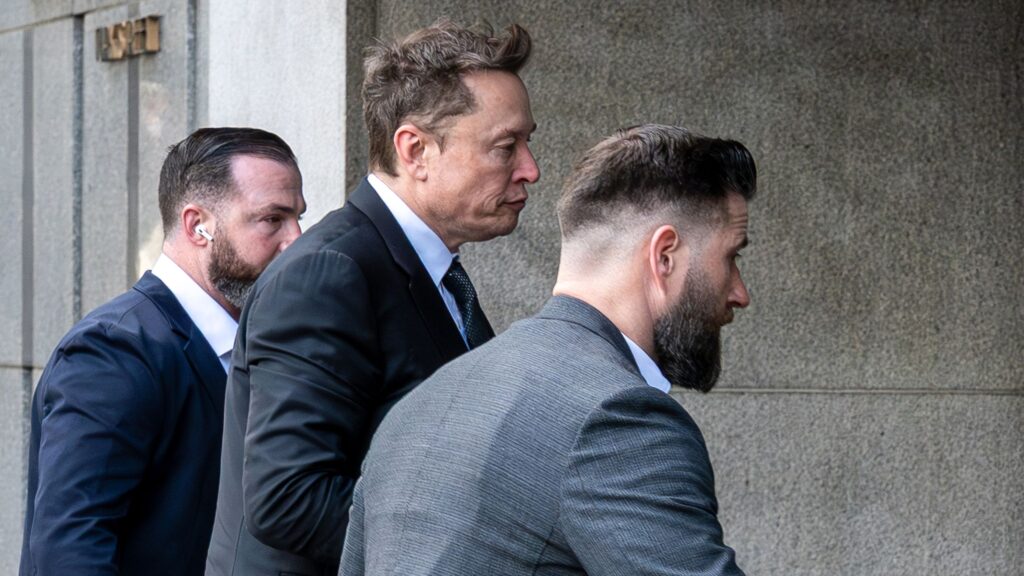
- Elon Musk and Sam Altman’s lawsuit devolved into AI extinction debate
- The judge shut down claims that artificial intelligence could pose a real-world threat
- The case could reshape OpenAI and the future of ChatGPT
“This is a real risk, we could all die as a result of artificial intelligence.”
That stark warning cut through a tense courtroom this week as Elon Musk’s legal battle with Sam Altman took an unexpected turn — briefly shifting from a corporate dispute to a debate over whether AI could wipe out humanity.
Judge Yvonne Gonzalez Rogers quickly shut it down, reminding Musk’s attorney, Steven Molo, to stay focused on the issue during the trial and delivering a withering rebuttal:
The article continues below
“It’s ironic that your client, despite those risks, is creating a business that’s in that exact area,” Rogers said. “There are some people who don’t want to put the future of humanity in Mr. Musk’s hands. But we don’t get into that business.”
The Musk vs. Altman Feud
The Musk vs OpenAI trial is the latest chapter in a feud between rival CEOs Musk and Altman that has been building for years. Much of it has played out through public comments and online jabs, but it has now escalated into a month-long federal lawsuit in California.
At the heart of Musk’s claim is the claim that OpenAI – the company he co-founded in 2015 – drifted away from its original non-profit mission. He claims Altman betrayed the public’s trust by turning the organization into a profit-driven enterprise.
Musk has also named OpenAI president Greg Brockman and Microsoft as part of the suit, claiming they played a role in the company’s shift toward commercialization — claims Microsoft denies.
The judge is right, of course. This case is not about whether AI should exist. It is about the future direction of OpenAI. A Musk victory could trigger a major shakeup at the company and potentially even lead to Altman’s dismissal as CEO.
But the fact that extinction came up at all points to the real story here — whether AI could pose an existential threat to humanity.
An old debate
The technology discussed in abstract terms is already here, embedded in tools like ChatGPT, and quickly spreading into everyday life. The people at the center of the case are the same figures shaping the future of AI itself, and moments like this week’s courtroom exchange point to unresolved issues beyond a corporate battle.
Although AI is becoming more embedded in everyday products, there is still no consensus among its creators about how risky it really is. Some describe it as a transformative tool that will improve productivity, creativity and access to information. Others continue to warn, sometimes in uncompromising terms, of long-term dangers that are harder to define, let alone regulate.
The same companies racing to roll out smarter, faster AI tools are also at times raising concerns about where that race might lead. That tension is not new – but it is rarely expressed directly, and almost never in a legal context like this.
The trial is expected to run for several weeks, with billions of dollars and the future structure of OpenAI at stake. But it also captures the central contradiction of the AI era right now: The people building the technology are still debating how dangerous it might be — even as they continue to build it at speed.
Follow TechRadar on Google News and add us as a preferred source to get our expert news, reviews and opinions in your feeds. Be sure to click the Follow button!

The best business laptops for all budgets


