
- TikTok releases a new tool to help users identify AI spam
- It says AI spam “needs original creators”
- Industry insiders suspect that advertising revenue may be the real motivator
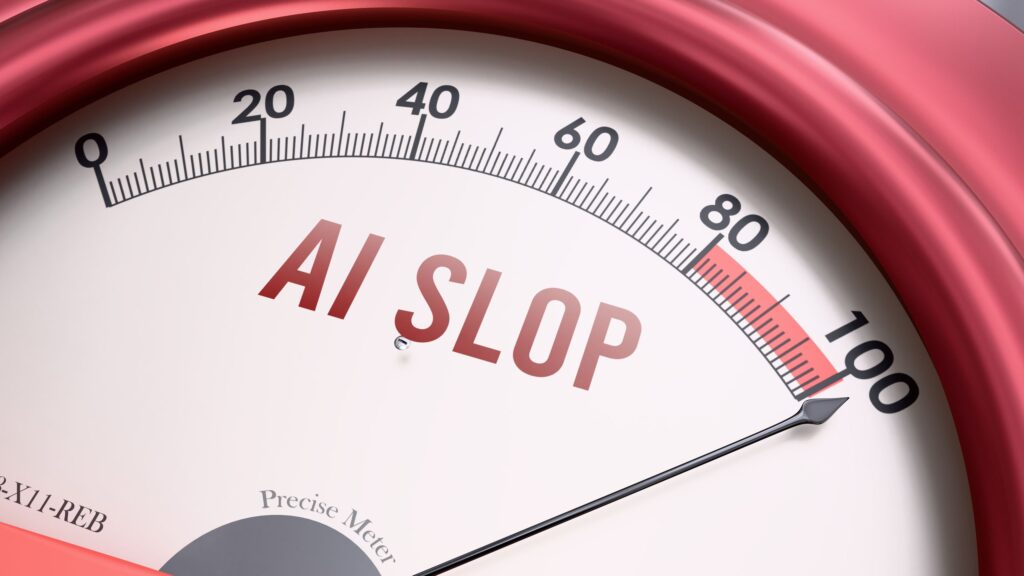
If you’re getting sick of AI slop on social media, you’re not alone. Even TikTok, which has spent the last few years rolling out AI creation tools, is now testing new ways to detect AI-generated spam and teach users to recognize AI content.
TikTok says it’s testing improved detection systems to target accounts dedicated to posting AI-generated spam that “crowds out original creators,” and it’s also creating a new guide to help its users use AI tools responsibly. TikTok is launching a new in-app hub in the next few weeks where you can learn practical skills for spotting AI-generated content when searching for AI-related terms.
Is it really a moral position?
We spoke with Donatas Smailys – CEO of Billo, the largest UGC creator marketing platform in the US – about the new tool. His view is that TikTok is fighting AI content because it doesn’t work, and it’s also hurting TikTok’s ad business.

“It would be naive to read this as TikTok taking a moral stance. The platforms can see in their own data what audiences are responding to, and they are quietly rebuilding their rules around real people.”
It strikes me as somewhat ironic that TikTok, which has spent the last few years pushing AI creation tools, is now simultaneously training people to recognize AI content and testing systems to suppress AI spam.
If TikTok’s own data suggests that AI-generated spam is hurting engagement or ad performance, then that could be the saving grace for the rest of us who are tired of AI slop ruining the social media experience. Honestly, at this point I’ll take anything that reduces the amount of AI videos being served to me, for whatever reason.
What it means for the future
The broader issue here is that if TikTok starts treating low-quality AI spam as a platform issue, it should raise some red flags for advertisers who rely heavily on synthetic influencers and AI creators. If low-quality AI spam improved the platform, TikTok would have little incentive to invest in detecting and suppressing it.
TikTok actually already has pretty strict rules for AI content on its platform. It’s quite common to see the “Contains AI-generated content” label on TikTok videos.
Regulators seem to be moving in the same direction. “New York now requires disclosure of synthetic artists in ads,” Smailys says, “with penalties for those who don’t comply. And my guess is that more states will follow suit. But the loss of trust is an even bigger risk here. Once your audience feels duped, no disclosure label will win them back.”
While the rise of AI slop seems unstoppable at the moment, I wonder if we’ll ultimately look back to 2026 as the year platforms realized that flooding people’s feeds with AI-generated content wasn’t sustainable, and that what users really wanted all along was more real people.
Follow TechRadar on Google News and add us as a preferred source to get our expert news, reviews and opinions in your feeds.


