UN High Commissioner for Human Rights Volker Türk on Thursday expressed alarm at the rioting and destruction in Northern Ireland following the attack, which went viral on social media – and the release of police bodycam footage linked to the murder of a student in Southampton by a British-born Sikh.
He offered sympathy to the victims and their families and welcomed the ongoing investigations, stressing that accountability is essential.
Public rhetoric
At the same time, Mr. Türk warned that the incidents had been exploited by some to spread divisive narratives targeting communities based on race and ethnicity, contributing to the spread of racial hatred and violence.
“Scapegoating and dehumanization is completely unacceptable,” he said, condemning violence against individuals, burning of homes, damage to property and intimidation targeting affected communities.
He also stressed the responsibility of political leaders to avoid language that inflames tensions or stigmatizes groups, warning that public rhetoric can further deepen divisions during periods of unrest.
Social media platforms were urged to take their human rights responsibilities seriously by addressing hate speech and content that incites violence.
The UN called for restraint, accountability and action to prevent further escalation while protecting affected communities.
FAO is calling for stronger global action as animal diseases spread across borders
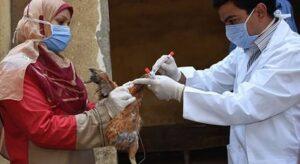
Risks from animal diseases, including avian — or bird flu — African swine fever, foot-and-mouth disease and New World screwworm continue to grow as outbreaks increasingly threaten food security, trade and livelihoods worldwide, according to the UN’s Food and Agriculture Organization (FAO).
Livestock sectors support more than a billion livelihoods and contribute trillions of dollars in economic value each year.
Protecting animal health is therefore crucial not only for farmers and livestock keepers, but also for food security, trade, economic stability and rural prosperity.
The increased movement of animals and people, environmental stresses and uneven access to veterinary services accelerate the spread of diseases across regions.
New outbreaks
Recent outbreaks underscore the urgency: New World screwworm has re-emerged in the United States after decades of containment, while foot-and-mouth disease has spread beyond its traditional range in Africa to parts of Asia and the Middle East.
“The consequences of these outbreaks extend far beyond animal health. They disrupt agricultural production, trade and tourism, threaten livelihoods, increase food safety risks and in some cases pose direct risks to human health,” says Dr. Tiensin Thanawat, FAO Chief Veterinarian.
Addressing these threats requires stronger surveillance, earlier detection, greater information sharing and closer international cooperation.
FAO emphasized that prevention and preparedness remain the most effective and least expensive response, and is working with partners to strengthen early warning systems, monitoring and rapid response worldwide.
Heat has killed 200,000 people in Europe in just four years
Extreme heat has claimed more than 200,000 lives across Europe over the past four years, according to the UN’s World Health Organization (WHO), which warned that heat waves are becoming an increasingly frequent and deadly public health emergency driven by climate change.
“We need a coordinated, powerful and institutional response,” said WHO regional director Dr. Hans Kluge at the launch of the updated Heat-Health Action Plans Guidance in Berlin on Thursday.
The new guidance outlines evidence-based measures governments can take to reduce heat-related illness and death, including early warning systems, cooling centres, greening cities initiatives and targeted support for vulnerable populations.
Preparation for rising temperatures
The WHO stressed that individual actions such as staying hydrated and avoiding direct heat exposure remain important but are not sufficient to address what it described as a growing systemic challenge.
Heat and Health Action Plans are designed to help cities and countries anticipate, prepare for and respond to periods of extreme heat in a coordinated and effective way.
Europe is warming faster than any other continent, putting older people, those with pre-existing health conditions and other vulnerable groups at increased risk.
“Our goal is clear and our ambition is bold: zero heat-related deaths,” said Dr. Clever.