
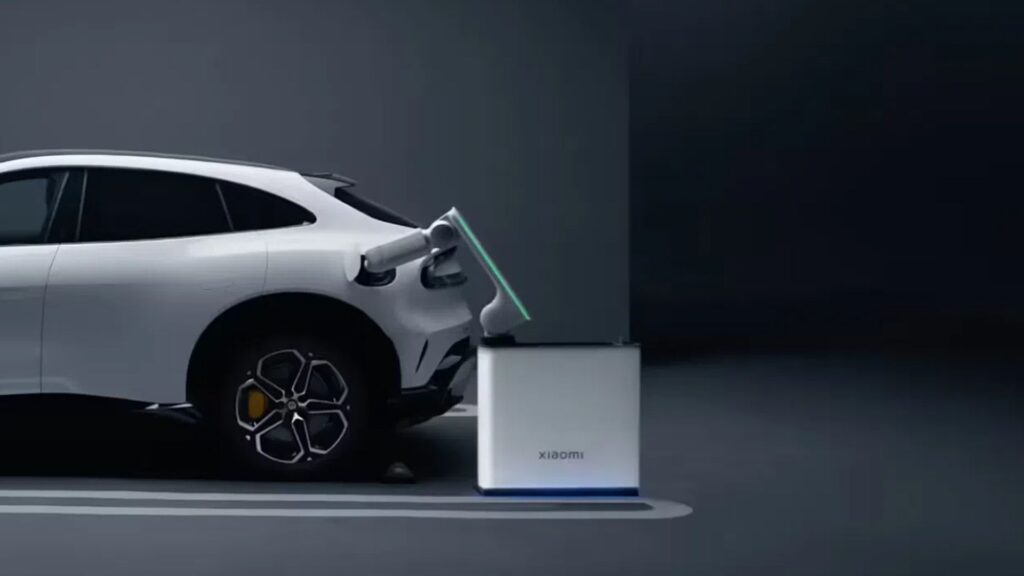
- Automatic connection, disconnection and remote control
- Xiaomi Auto is reportedly the first to bring the technology to market
- It will only be compatible with Xiaomi electric vehicles
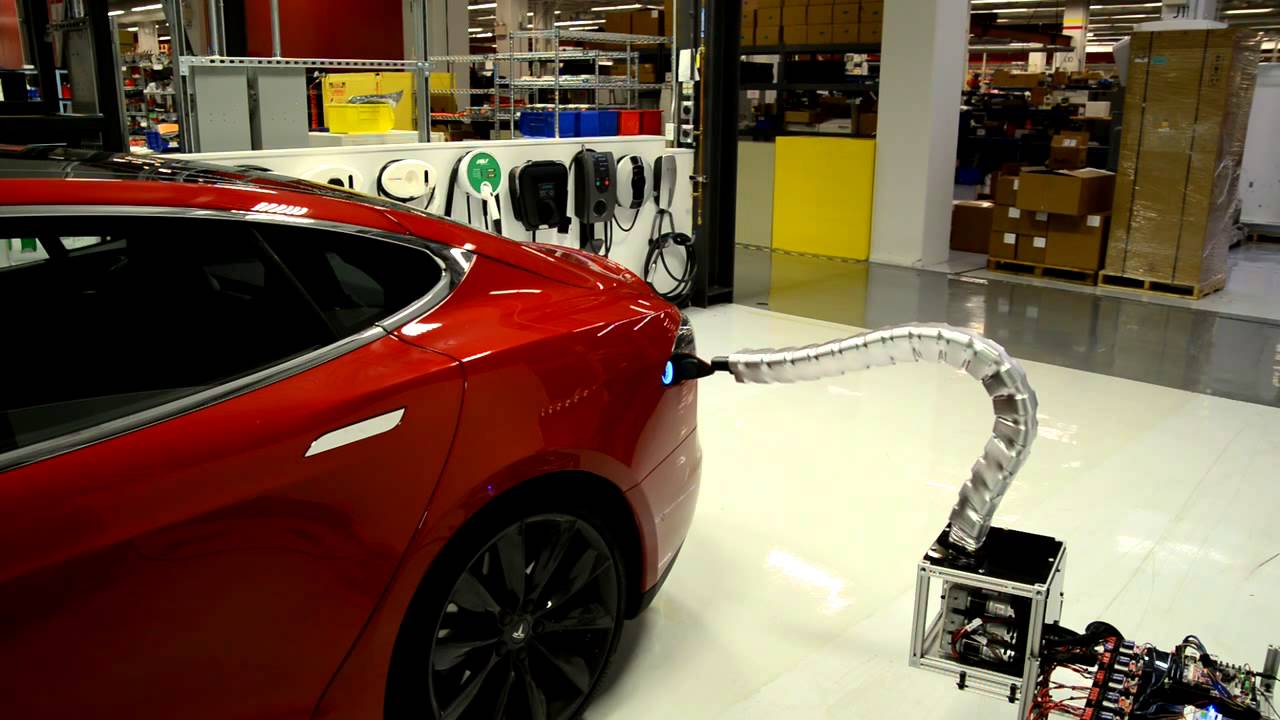
Back in 2014, Elon Musk took to Twitter to reveal that the company was working on a robotic electric charging solution that “automatically moves out from the wall and connects like a solid metal hose.”
Fast forward a year and Tesla actually showed off a working prototype (the video is still on YouTube), but the project fell through.
Despite not being officially dead, there’s a good chance that Tesla’s abrasive metal tube charger is too complicated, too expensive, and perhaps too “out there” to bring to market.

The company also scrapped its plans to unveil a wireless charging solution for Tesla charging at home.
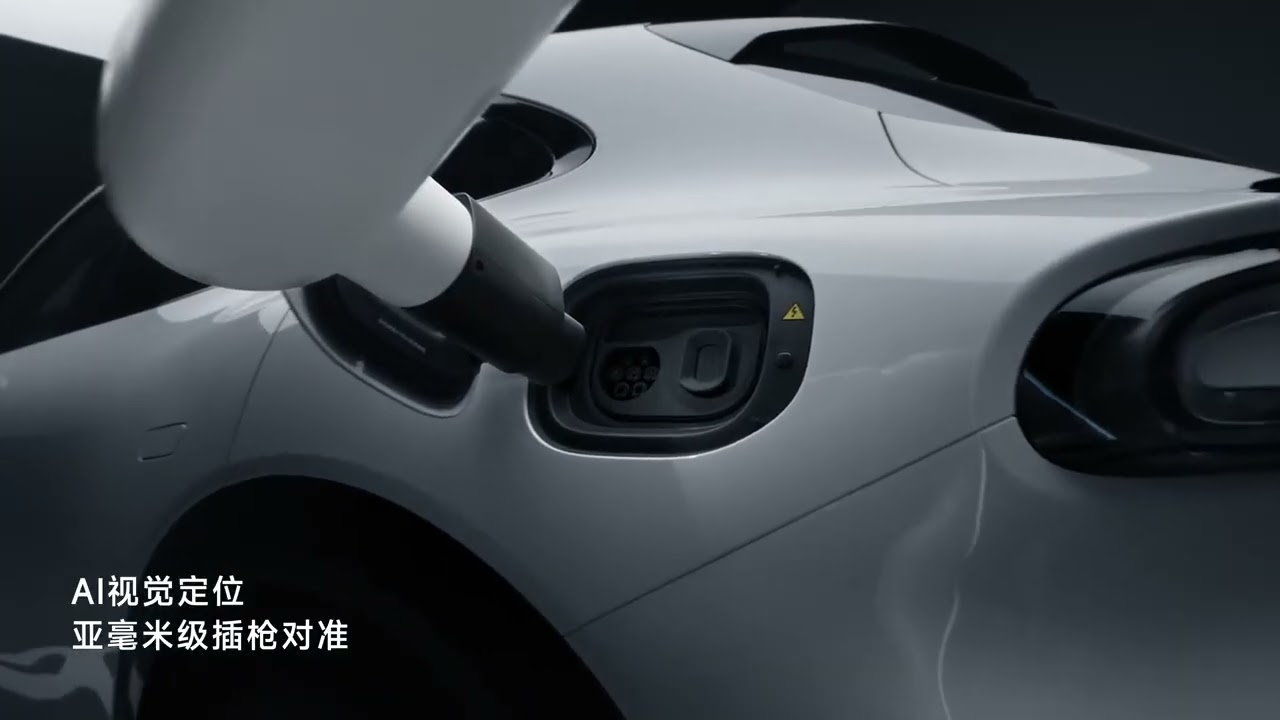
However, Chinese tech giant Xiaomi is pursuing an automated robotic charging system for (presumably) wealthy SU7 and YU7 owners in China, having just unveiled a device that’s compact enough to fit in a home garage and literally takes the heavy lifting out of charging.
Look at
According to the manufacturer, the robotic charging arm starts charging automatically. Owners can simply park and walk away without having to issue any commands or perform manual operations, reports Car News China.
When the charging session is complete, the robot will automatically disconnect the charging plug and store it neatly in its own storage unit.
There is also the option for users to initiate a charge via a smartphone as long as the vehicle is parked within range of the telescopic arm. This eliminates the need for owners to be physically near a vehicle
There’s currently no word on price, although the short promotional video released by Xiaomi appeared to show a ‘production-ready’ product in the real world, meaning the technology is likely to go on sale in China within a few months.
Analysis: are unwieldy cables on the way out?
Look at
Only recently, Porsche announced its wireless charging pad for the Cayenne Electric, which allows owners to drive over it and seamlessly charge the vehicle without having to touch the often dirty, heavy electrical cables that spend their lives outdoors.
In China, it seems a number of companies are already working on solutions that mean customers don’t have to get their hands dirty, as Aito showed off its Aito M8 pure-electric version using a robotic charging arm last year.
Chinese automaker Li Auto also said last year it was working on robotic charging arms, though its solution is designed to make its public charging network more convenient to use.
Given that modern electric vehicles are already equipped with the sensors and technology needed to communicate with a robotic charging arm, it seems logical that this could be the next step towards futuristic, seamless charging.
The ability to simply pull up at a charging station and walk away from the car while cutting-edge technology takes care of the rest would be another – admittedly very expensive and complex – unique selling point for electric propulsion in general.

Follow TechRadar on Google News and add us as a preferred source to get our expert news, reviews and opinions in your feeds.


