
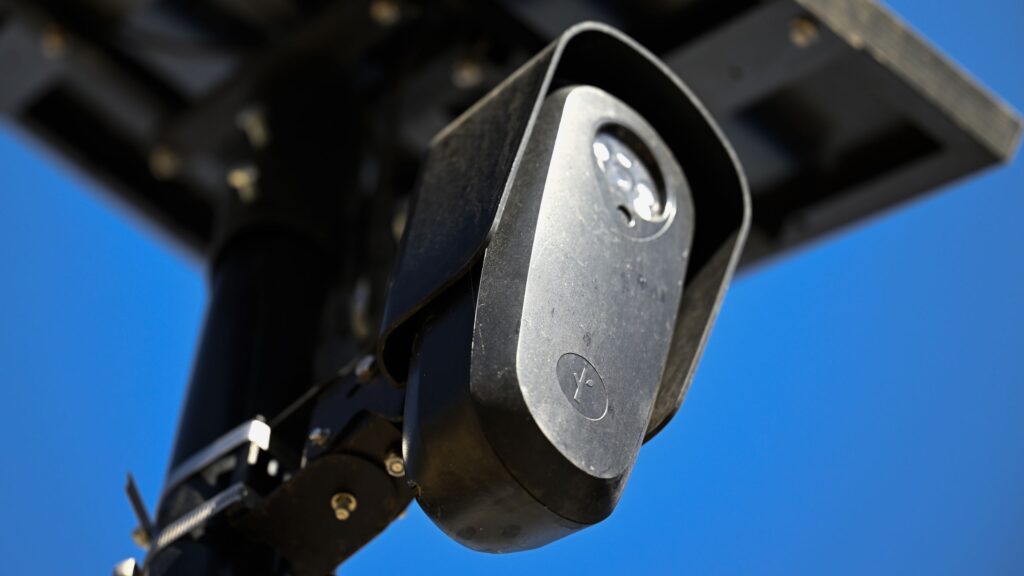
- Three-year contract will not be renewed, police claim
- Concerns about data and privacy have been mentioned
- Flock cameras have faced backlash from a public concerned about privacy
Los Angeles Police Department officials have told the Los Angeles Times that its contract with surveillance camera company Flock will not be renewed because of “serious concerns” about privacy and the data it collects.
Owned by Flock and used by more than 5,000 law enforcement agencies across the United States, the cameras scan and track billions of vehicle license plates each month, with the resulting data used by police departments to help make arrests and build cases.
However, there has been widespread public backlash over privacy concerns, with some residents taking matters into their own hands. Recently, an Air Force engineer from Virginia has been accused of downing 13 Flock cameras over a six-month period.

According to Military.com, privacy advocates across the country have donated more than $15,000 (about £11,220 / AU$21,660) to the accused’s legal defense.
In addition, developers have created a free online mapping tool that allows US drivers to plot routes that actively avoid areas with a dense population of Flock cameras.
LAPD Chief Information Officer Dean Gialamas told reporters that the contract was not renewed because of “serious concerns about civil liberties and civil rights issues, particularly about privacy and the data that is collected from these cameras.”
Gialamas added that he hoped the concerns about data, privacy, security and sharing would eventually be “ironed out through a contractual relationship.” There is currently no word on whether Flock’s cameras will continue to record and distribute data in the meantime.
Analysis: The public is fighting back
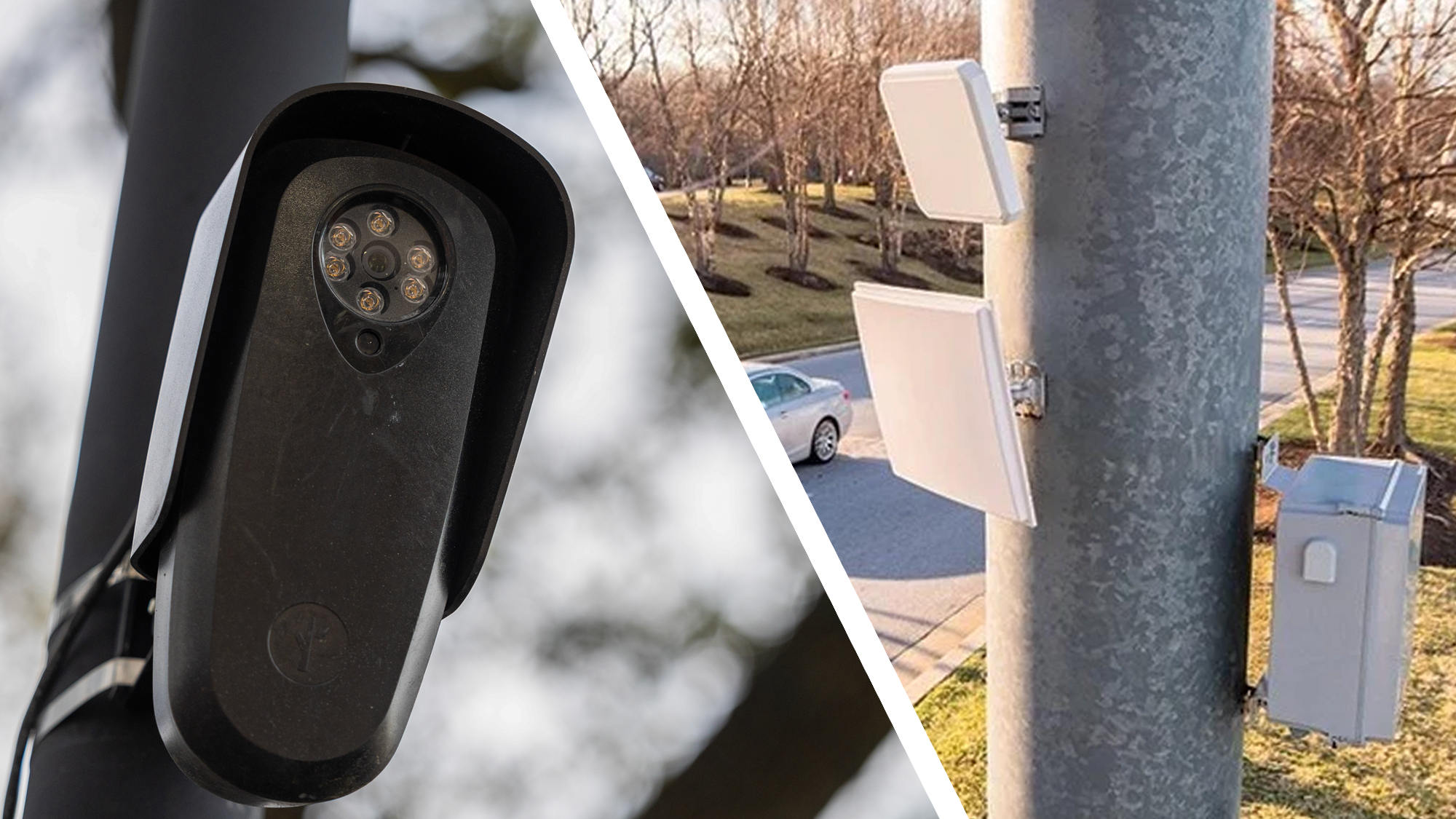
Flock’s network of around 80,000 cameras in the US has been chastised by data protection advocates, with the likes of 404 Media conducting numerous studies highlighting how easy it is for this surveillance data to fall into the wrong hands.
According to TechCrunch, researchers have also identified an increase in the number of documented cases of drivers being stopped, detained and even jailed due to false positives and errors with license plate readers.
We also recently reported that an investigation by the Electronic Frontier Foundation found that more than 50 federal, state and local agencies ran hundreds of searches through Flock’s national network of surveillance data related to protest activity.
A motoring journalist in the US was even tracked for days and eventually ‘boxed in’ by the police due to a mob-based mix-up with the number plates attached to the press loan he was driving.
As public distrust of Flock’s security cameras grows, we could see more agencies follow the LAPD’s lead in pushing back on the technology.

Follow TechRadar on Google News and add us as a preferred source to get our expert news, reviews and opinions in your feeds.


