
This week felt less like a collection of AI news stories and more like an early look at where the technology is really going. Because yes, there are model upgrades and new features and disturbing stories this week, as there always are. But it all seemed to point to something broader, which is AI being placed at the center of how we work, think, create and make decisions.
OpenAI pushes ChatGPT towards an all-in-one “super app”. Google is making AI the layer on top of everything you can do with your phone. And DeepSeek’s return is a reminder that artificial intelligence is no longer just a Silicon Valley story—it’s a global phenomenon. The AI race is becoming increasingly geopolitical.
I’ve also been thinking a lot about the bigger picture this week. Especially after Geoffrey Hinton, often called the “Godfather of AI”, told a UN conference that rapid AI development requires urgent oversight. “If you ever went out with a car that had no brakes, boy, you’re in trouble if you go down a hill,” he said. “But you’re in even more trouble if there’s no steering wheel.”
The article continues below
As always, I’ve rounded up the key stories you need to know below. Think you were paying attention this week? Take the quiz below to find out.
Were you paying attention last week? Take my AI news quiz
The best AI headlines from the past week
Welcome to ICYMI AI, your weekly roundup of the most important developments in artificial intelligence. Here are the biggest AI stories from last week and why they matter.
OpenAI makes ChatGPT “everything”
OpenAI released GPT-5.5 this week, pitching it as a big step toward an AI “super app” that brings chat, coding tools, and browser in one place.
It also launched ChatGPT Images 2.0, a major upgrade to its image generation. The focus is on better layout, text in images and, perhaps most importantly, reasoning, meaning it can interpret more complex prompts. The output then reflects a sequence of decisions rather than a single pass.
The picture upgrade is really impressive. Well, until you try to do something specific with it. Our AI editor, a former print magazine editor, tested it on magazine layouts, and while the results look convincing at first, they fall apart the moment you need them to work. The gap between “looks right” and “is actually useful” is still wide.
But the design of ChatGPT as an AI super app is interesting. OpenAI doesn’t seem to just build a better chatbot anymore. It is trying to build something closer to an entire ecosystem where you write, search, build and make things. I guess whether that’s exciting or alarming depends on how much you trust OpenAI.
Google wants to change how you use apps
At its developer conference I/O in May, Google plans to announce that it is making AI the main way people interact with their phones.
Android 17 and Gemini handle daily tasks automatically. You describe what you want, AI prepares the apps to use without you opening them. The plan extends across devices, so something you start on your phone can be picked up on a laptop or in your car.
We’re still waiting on the official details from I/O, but this direction feels pretty significant. We’ve spent decades using smartphones by tapping an app, opening a menu, and making a decision. Google might change how it all works. You enter the result, Google does the rest. It is a fundamental shift in how we use technology. So do we want a system that predicts and completes actions on your behalf?
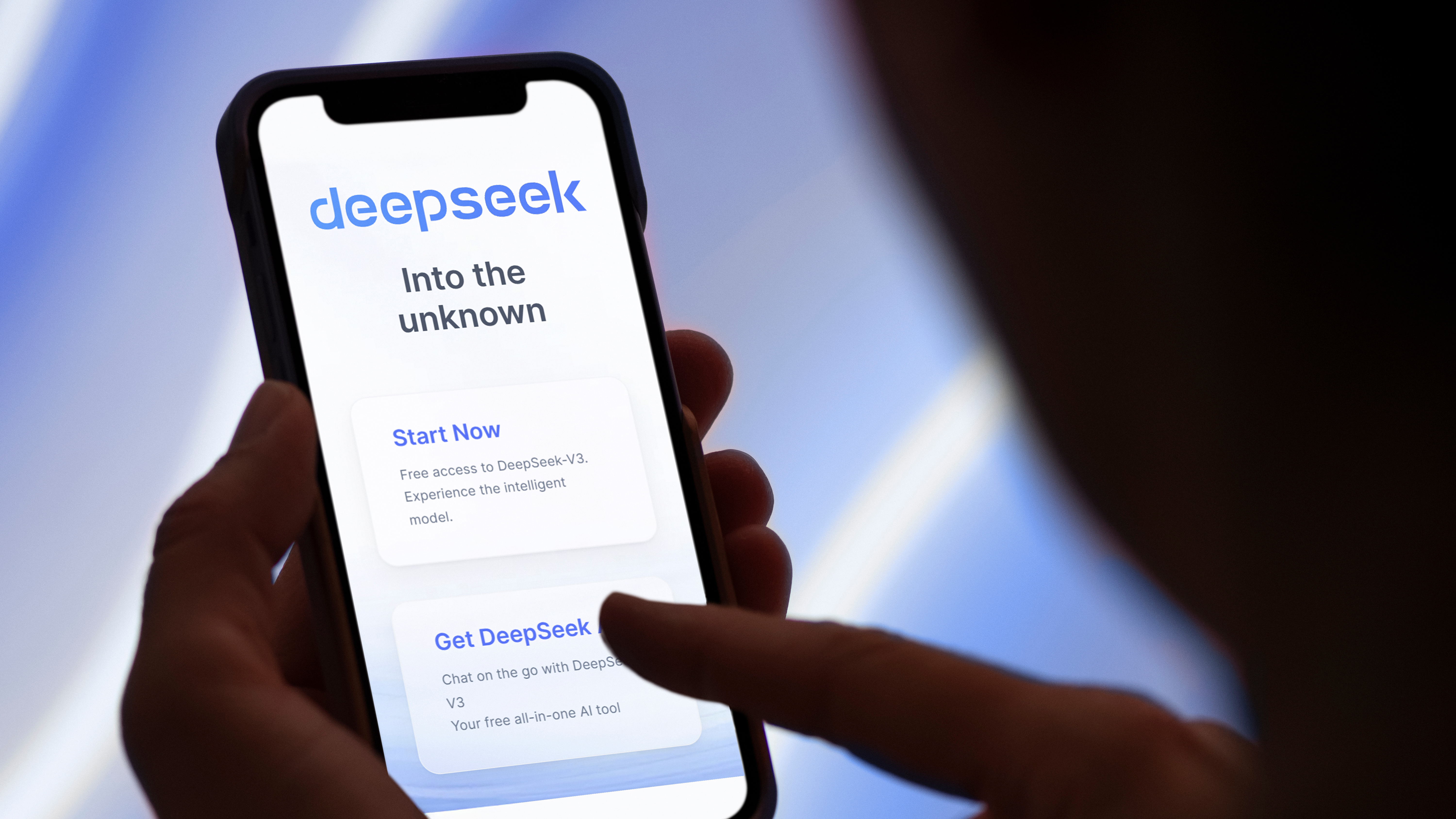
Chinese AI startup DeepSeek released preview versions of its new V4 model this week, claiming it is the most capable open source AI platform available with major improvements in reasoning and ‘agentic’ tasks. Unlike its predecessors, the V4 also runs on domestic Chinese chips from Huawei instead of Nvidia hardware.
A year after the original DeepSeek news, the story has changed. Back then, it was about how much performance the company could get out of relatively limited resources. Now it’s about building a more self-sufficient AI stack that doesn’t depend on American technology in the same way.
That shift is important because it points to an AI landscape that is fragmenting, with different regions building their own systems, infrastructure and standards. The 2026 AI Index from Stanford University found that China is the leader in overall AI research output and accounts for a large share of global patent applications.
The AI tools people use in the future may be shaped as much by geopolitics as by product design.
More AI news you might have missed
- Florida is investigating OpenAI: A criminal investigation has been launched into OpenAI after reviewing messages between ChatGPT and a student accused of a campus shooting. This week, Sam Altman also issued a formal apology to the Canadian community of Tumbler Ridge, where a shooter’s account was flagged and banned 8 months before a mass killing but not reported to police.
- Meta and Microsoft job cuts: Meta cuts around 8000 jobs but increases AI investment. This pattern is getting really hard to ignore now – job cuts fund the technology that replaces them.
- Building a gaming PC with artificial intelligence: We asked ChatGPT and Gemini to specify a perfect gaming PC build. The results were enthusiastic, but almost cost us our sanity. A reminder that AI is safe, even when it probably shouldn’t be.
- Gemini notebook tips: Gemini’s new notebook feature is one of the more useful things to come out of Google’s AI push. Here are five ways you can actually get value from the Gemini notebook, from organizing research to summarizing long documents.
- AI personas are infiltrating online communities: A new study found that fake AI personas are now realistic enough to participate in online communities and even sway public opinion. This raises big questions about whether you can trust anything you read online anymore.

Follow TechRadar on Google News and add us as a preferred source to get our expert news, reviews and opinions in your feeds.


