
Against that backdrop, Ethlabs represents what supporters describe as a broader shift to a “multi-node” development model, in which independent organizations share responsibility for advancing the network rather than relying heavily on the foundation.
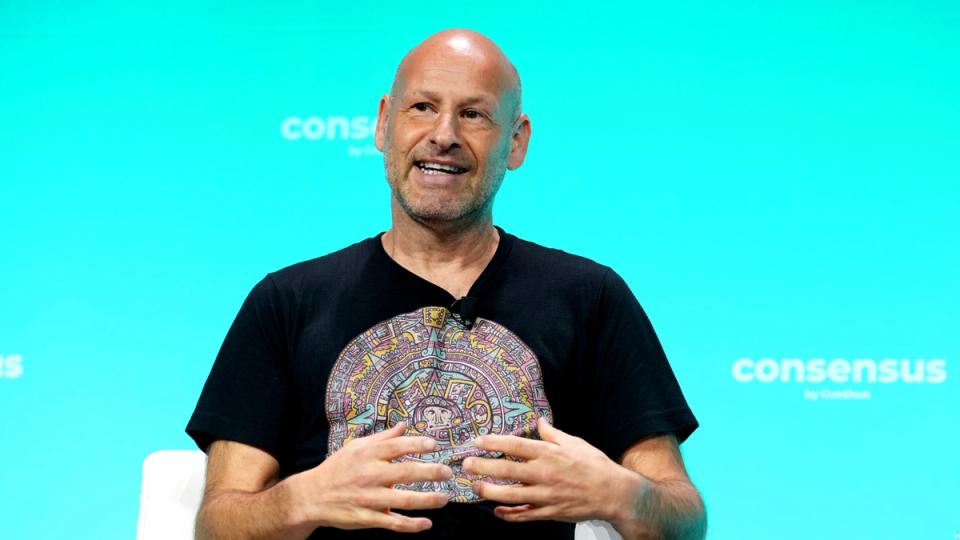
“We are now ready to recognize and implement the idea that there should be a series of steward nodes of Ethereum,” said Joe Lubin, “each configured in their own unique way to develop and protect the sanctity of the network and massively grow the world’s appreciation and use of it.”
Ethlabs’ initial work will focus on faster transaction settlement, expanding Ethereum’s capacity and improving the infrastructure for institutions that issue tokenized assets and stablecoins on the chain. Ethereum dominates the $300 billion stablecoin market with a 53% market share and hosts about half of the $32 billion tokenized asset market, RWA.xyz data shows.
The initiative also reflects the growing institutional investment in Ethereum. SharpLink and Bitmine have both built significant ETH treasury strategies, while Ethereum continues to host the majority of real-world stablecoins and tokenized asset issuances.
“Ethereum is at a defining moment,” Ansgar Dietrichs, Ethlabs’ CEO, said in a statement. “As blockchain systems rapidly move into mainstream use, the coming years will define the shape of the onchain economy for decades.”


