
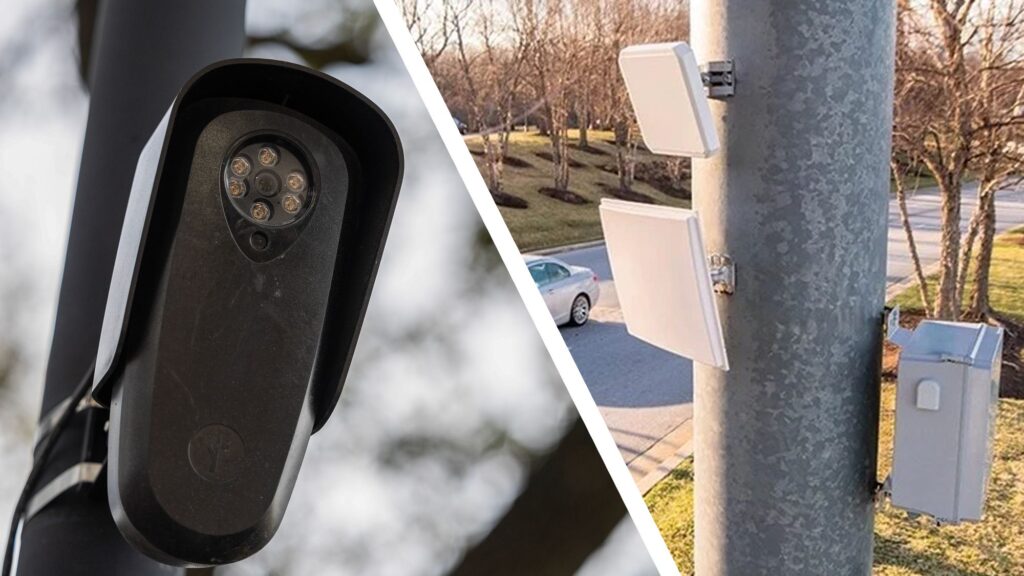
- ALPR (Automated License Plate Recognition) camera technology is getting smarter
- A new company is bridging the gap between cameras and connected technology
- Tools to avoid ALPR cameras are quickly gaining popularity
More than 5,000 law enforcement departments across the United States use Flock security cameras to track billions of license plates each month, according to a report by NBC news, helping them build a huge database of ordinary people’s movements.
But Flock is just one company working on such technology, with hundreds of new automatic license plate reader (ALPR) cameras and devices popping up daily.
Recently, 404Media highlighted a new tech company that aims to add phone, AirPods and Smartwatch location data to license plate readers to build a clearer picture of who was driving what… and when. Understandably, rebellious drivers are now fighting back thanks to a new website called DeFlock.

Leonardo’s SignalTrace system is designed to scan the airwaves for signals left by countless Bluetooth and wireless connected devices to connect these to a license plate as it passes, potentially locating a person in a vehicle at a specific time and place.
Leonardo says its technology uses “non-intrusive intelligence gathering” to detect publicly broadcast device identifiers, feeding that data into an advanced algorithm so multiple devices traveling together can connect a person to a vehicle and vice versa.
The police and other law enforcement agencies are then able to access this data, but concerns have been raised about the potential for hacking or misuse by the authorities to track personal relationships.
Analysis: Privacy advocates retreat
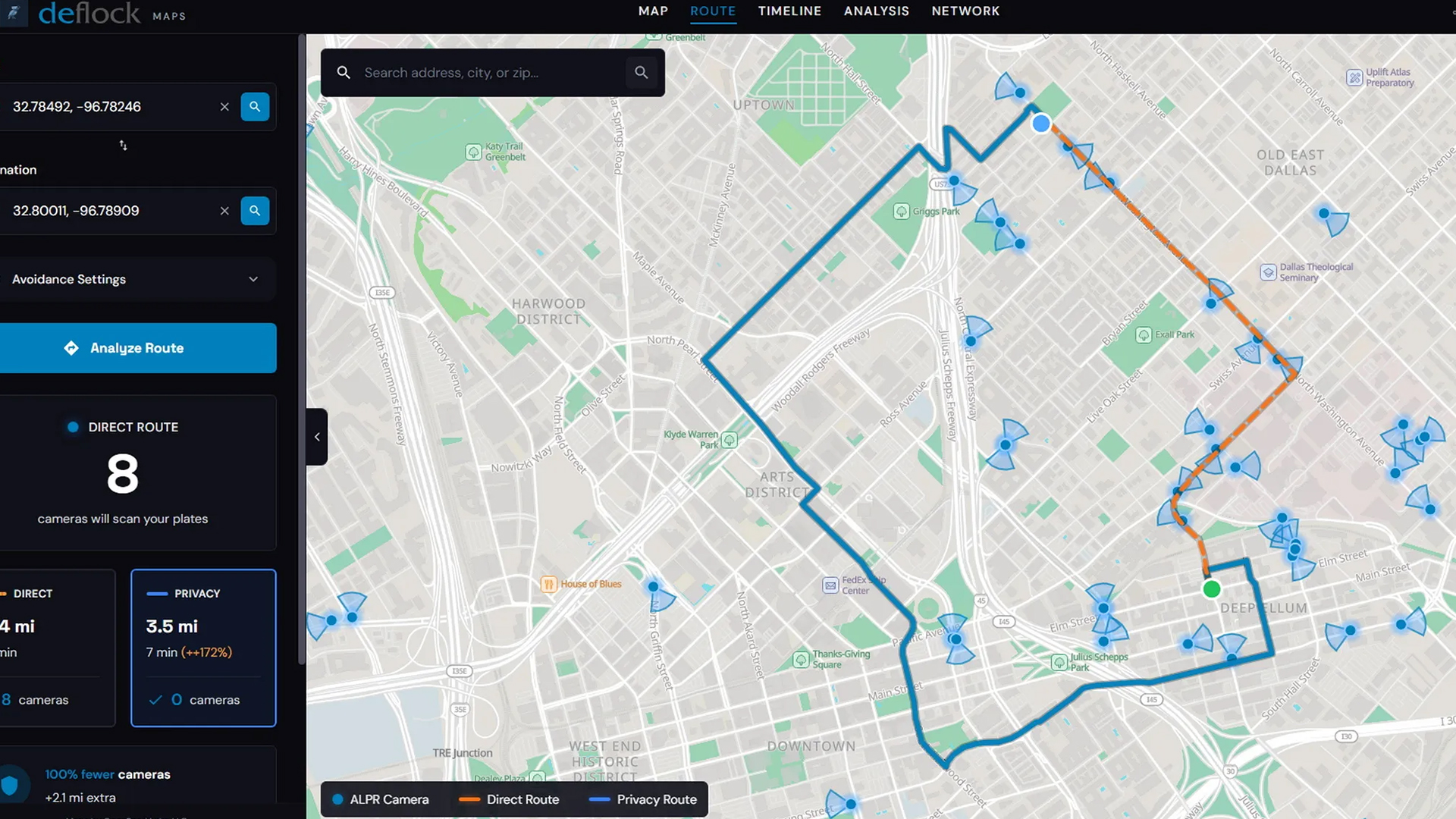
In a move aimed at giving some control back to the individual, a website called DeFlock has emerged that allows anyone to plan routes that actively avoid Flock’s ALPR cameras altogether and generally provides a more privacy-focused alternative.
Like most digital route planners, users plug in a start and end point for their trip, which changes how aggressively they want the software to avoid cameras, according to Carscoops.
The site will then compare a normal route with the more private alternative and suggest how many miles and minutes a detour would take.
The number of website users is increasing as organizations such as the Electronic Frontier Foundation have warned that Flock’s surveillance camera systems are designed to enable “mass surveillance” and are susceptible to “serious abuse”, according to its own investigations.
Last year, the EFF reported how more than 50 federal, state and local agencies ran hundreds of searches through Flock’s national network of surveillance data related to protest activity over a ten-month period, for example.
With news that ALPR cameras could soon be linked to connected devices, some sectors of the public are understandably concerned, with one Reddit user commenting: “the only hope for anything is a Digital Civil Rights movement”.

Follow TechRadar on Google News and add us as a preferred source to get our expert news, reviews and opinions in your feeds.


