
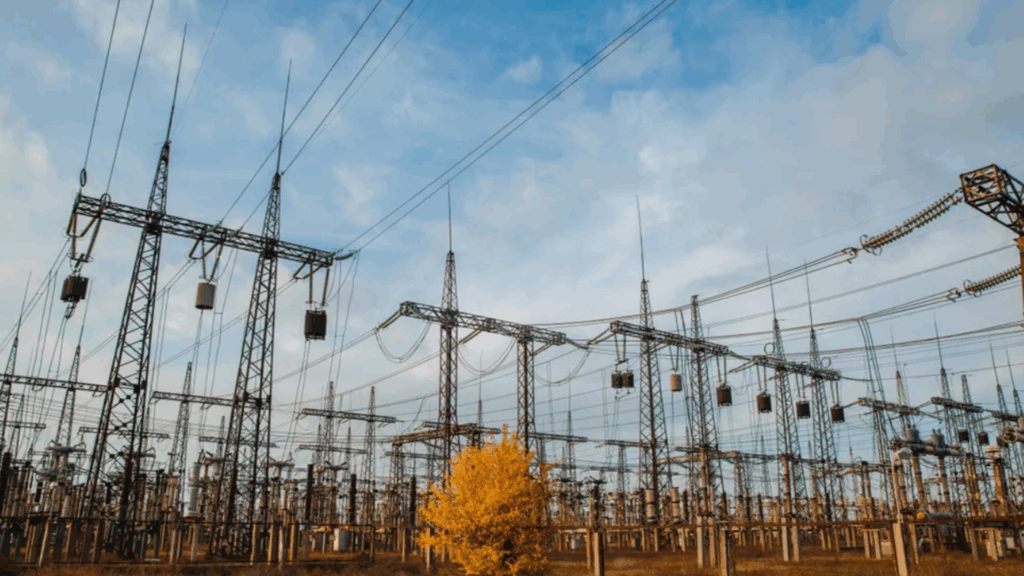
- Meta has financed several natural gas power plants over the past 12 months
- The company’s renewable energy initiative RE100 includes Apple, Google and Microsoft among its 444 members
- Meta has previously committed to running all operations on renewable energy by 2020
Meta has confirmed it is withdrawing from the RE100 scheme following news that it has funded several gas-fired power plants over the past year.
As the company leans heavily on artificial intelligence and the necessary data centers that come with such a commitment, it has opted to leave the group of companies planning to transition to 100% renewable energy, overturning a public commitment from 2020.
While RE100 has many other members, including Apple, Google and Microsoft, Meta’s confirmation of a move away from the group indicates that it does not see an immediate solution to the power challenges posed by data centers.
Latest videos fromTechRadar
What does climate group membership mean?
The RE100 initiative is led by the Climate Group, a non-profit with former British Prime Minister Tony Blair named as co-founder. Membership of the project gives organizations access to policy support and technical advice to support plans to move to a 100% renewable energy footprint.
When asked, a spokesperson for the Climate Group replied: “After several in-depth discussions between Meta and the Climate Group, Meta has withdrawn from the RE100 initiative as it is no longer able to meet the technical criteria due to investments made in new gas power.”
Meta is not alone in looking beyond the renewable options to supply power to its data centers. Its former RE100 fellow members Google and Microsoft have both recently invested in fossil fuel projects. However, these companies both appear to have hedged their bets more broadly, with Microsoft aiming for hourly energy matching (where fossil use is matched by renewable energy) and Google deploying a 100-hour battery in a partnership with Form Energy.
Data centers need heavy industry level of power
Moving away from renewable energy commitments to provide data centers with the level of energy they need in the AI era is disappointing, but not entirely unexpected.
Modern data centers require power for processing, for cooling and for backup, and this requires a level of power traditionally only seen in heavy manufacturing industries. The infrastructure currently available for renewables largely does not take into account supply issues, battery systems are underdeveloped, and nuclear power takes years to get up and running.
Meta’s support for gas power includes a partnership with Entergy Corp to build seven plants in Louisiana to supply over 5 GW to its Richland Parish data center.
Conversely, gas-fired electricity is quicker to set up, is a known quantity and is cleaner than coal. Until infrastructure catches up with the demands of data centers, more pullbacks and fudges on previous green energy commitments from big tech shouldn’t be ruled out.
Follow TechRadar on Google News and add us as a preferred source to get our expert news, reviews and opinions in your feeds.


