
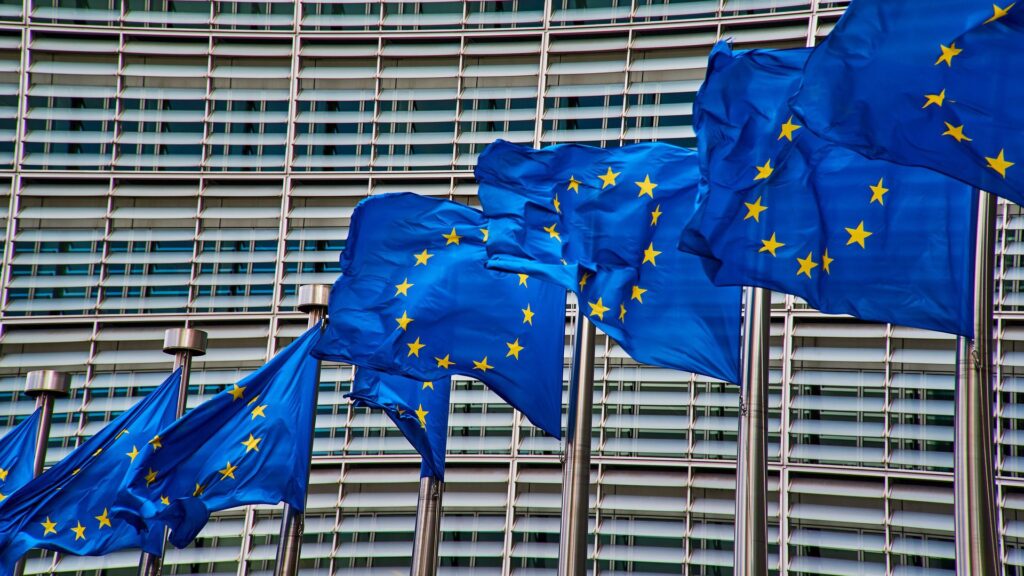
- Removing Huawei could cost Europe up to 40 billion euros, GSMA estimates
- The GSMA expects that reduced competition will significantly increase the prices of telecommunications equipment
- Experts disagree on the true economic impact of Huawei’s removal
The European Union’s plan to remove allegedly high-risk telecoms suppliers such as Huawei and ZTE could cost far more than Brussels currently estimates, new figures have claimed
The GSMA trade body has said that direct compensation costs will reach 30 to 40 billion euros – about four times higher than the European Commission’s own estimate of a total of 10 to 13 billion euros.
According to the Commission’s own projections, the transition away from Chinese equipment will cost between €3.4 billion and €4.3 billion annually over a three-year rollout – the annual estimate equates to a total cost of around €10 to €13 billion once the full three-year period is complete.
Latest videos fromTechRadar
The push to remove Huawei and ZTE from European networks traces back to security concerns raised in the early 2010s.
Several EU governments began restricting Chinese suppliers after the US pressured allies to exclude them from next-generation 5G infrastructure.
The debate intensified further as several member states moved to ban Chinese equipment from their national core 5G networks.
The European Commission later proposed a formal ban on high-risk suppliers as part of a new EU cybersecurity law now under active negotiation.
The GSMA’s 30 to 40 billion euro figure is a one-off figure, and it breaks down into fixed networks at 5 billion euros and transport networks at 9 to 12 billion euros.
It also expects an extra DKK 8.5 billion. EUR in costs between 2027 and 2030 from reduced competition among equipment manufacturers, a cost which the Commission’s figures do not appear to include.
The GSMA attributes that to increasing costs to fewer companies competing for contracts when high-risk suppliers are completely excluded from the market.
Telecom operators across the bloc have already begun pressing regulators for financial compensation linked to the mandated equipment replacement.
Experts clash over whose figures are accurate
Some economists dispute the GSMA’s figures, arguing that the estimates fail to separate new costs from expenses that would have occurred regardless.
“GSMA estimates are rough, not incremental,” said Hosuk Lee-Makiyama, director of think tank ECIPE.
He argued that deducting compensation costs that would have been incurred anyway would bring the totals close to the Commission’s own figures.
Lee-Makiyama’s criticism suggests that the true gap between industry and Commission estimates may be smaller. The European Commission had not responded to requests for comment on the dispute.
The GSMA’s report arrives as negotiations on the Cybersecurity Act continue among EU member states and representatives of the telecommunications industry.
Any compensation scheme, if any, is likely to require agreement among national governments, which are already at odds over how quickly to remove Chinese suppliers.
It is not the first time that GSMA’s figures stand in stark contrast to the EU Commission’s or individual analysts’ estimates.
In 2019, the GSMA projected that replacing Chinese-made telecommunications equipment across Europe could cost as much as €55 billion in total.
Strand Consult, by contrast, estimated the cost of replacing Huawei or ZTE equipment eligible for 5G upgrades at about $3.5 billion.
Whether the final costs this time land closer to Brussels’ modest estimate or the GSMA’s much larger figure remains really unclear for now.
Via Politico
Follow TechRadar on Google News and add us as a preferred source to get our expert news, reviews and opinions in your feeds.


